Clutch Wear: Signs, Causes, and When to Replace It
When your clutch wear, the gradual deterioration of the clutch disc and related components that reduces power transfer from engine to transmission. Also known as clutch degradation, it’s one of the most common reasons drivers suddenly lose acceleration or hear grinding noises when shifting. Unlike engine parts that fail suddenly, clutch wear creeps up slowly—until it doesn’t. You might not notice it until you’re stuck on a hill or the clutch pedal feels spongy. That’s not normal. It’s your car telling you something inside the transmission system is breaking down.
The clutch kit, a set of components including the clutch disc, pressure plate, and release bearing that work together to connect and disconnect engine power from the gearbox doesn’t last forever. Most last between 50,000 and 100,000 miles, but that’s not a guarantee. How you drive matters more than mileage. Riding the clutch, frequent stop-and-go traffic, or hauling heavy loads all speed up wear. A worn release bearing, the part that pushes against the pressure plate to disengage the clutch can squeal even when the pedal isn’t pressed. A slipping clutch means your engine revs but the car doesn’t move—like driving in mud with the gas floored. These aren’t myths. They’re real symptoms backed by thousands of repair reports.
Replacing a clutch isn’t just about swapping one part. It’s a job where you often need to replace the flywheel, the heavy metal disc that connects the engine to the clutch and smooths out power delivery at the same time. If the flywheel is warped or glazed from heat, a new clutch will wear out fast. That’s why guides on clutch replacement always mention checking the flywheel. You don’t want to spend money twice. And if your car’s been sitting for months, moisture can cause the clutch disc to stick—another hidden cause of sudden clutch failure.
There’s no dashboard light for clutch wear. You have to pay attention to how the car feels. Does it hesitate when you shift? Does the pedal feel higher than before? Do you hear a weird noise when you press it? These aren’t just annoyances—they’re early warnings. Waiting too long risks damaging the transmission, which can cost thousands. The good news? You can spot most problems early if you know what to look for.
Below, you’ll find real-world guides on how to tell when your clutch is done, what parts are in a clutch kit, how long they last, and what else you should replace at the same time. No fluff. No guesses. Just clear answers from people who’ve been under the hood.
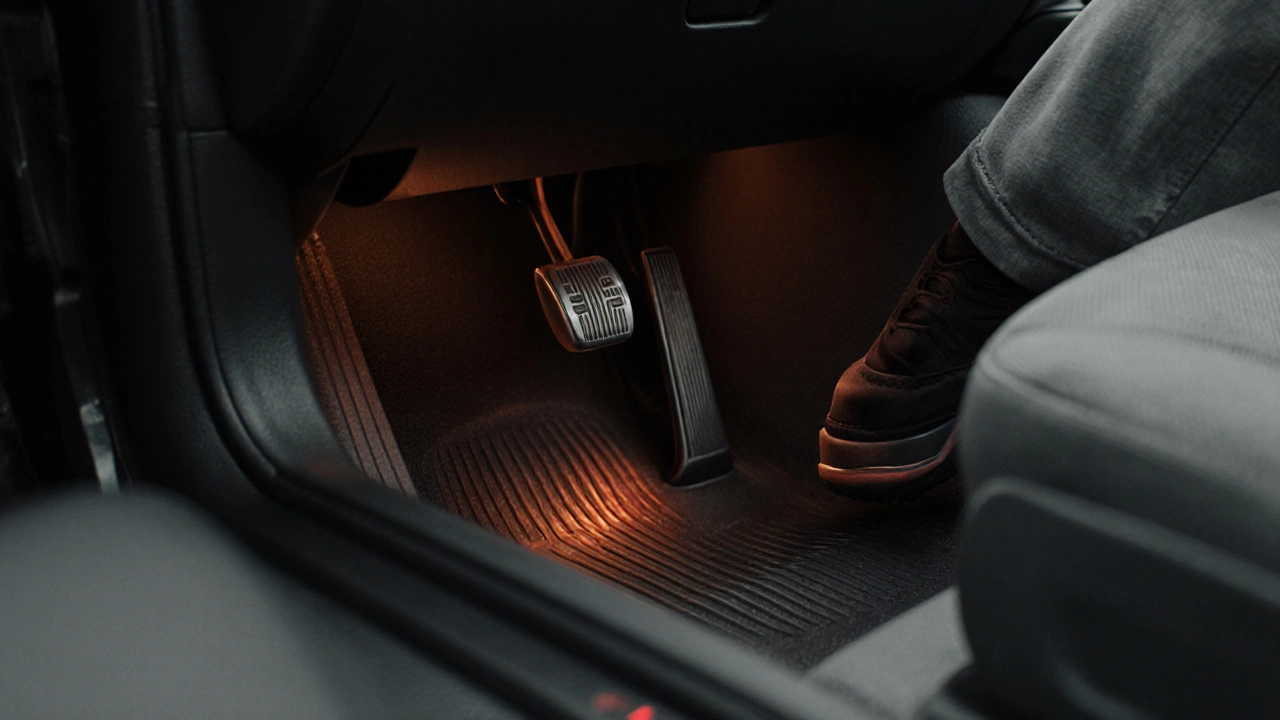
What Damages a Clutch Kit? Common Causes and How to Avoid Them
Nov 20 2025 / Transmission PartsLearn the real reasons clutch kits fail - from bad driving habits to ignored warning signs - and how to make yours last longer without expensive repairs.
VIEW MORE