Clutch Life Estimator
How to Use This Tool
Answer the following questions about your driving habits to estimate your clutch's remaining life expectancy. Your inputs will be compared against standard clutch longevity (80,000-120,000 miles).
Your Estimated Clutch Life
Based on your driving habits, your clutch may last:
Recommended Actions
Most drivers don’t think about their clutch until it stops working. By then, it’s usually too late - the car won’t shift, it grinds, or worse, it won’t move at all. A clutch kit isn’t a lifetime part. It wears out. But how it wears - and how fast - depends almost entirely on how you drive. You might be surprised to learn that most clutch failures aren’t caused by poor parts or bad manufacturing. They’re caused by habits you didn’t even know were harmful.
Left Foot Resting on the Pedal
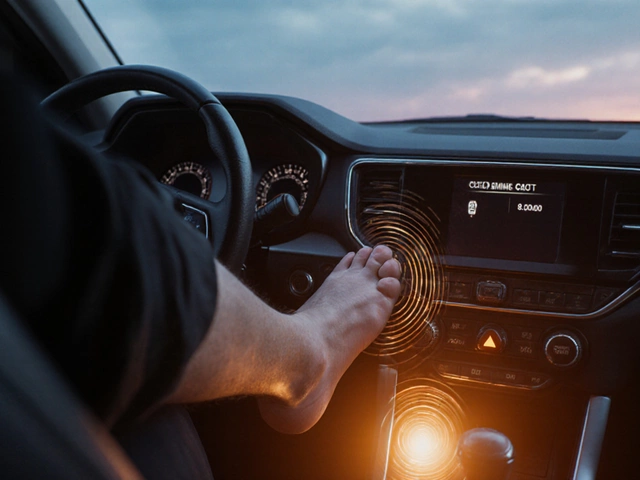
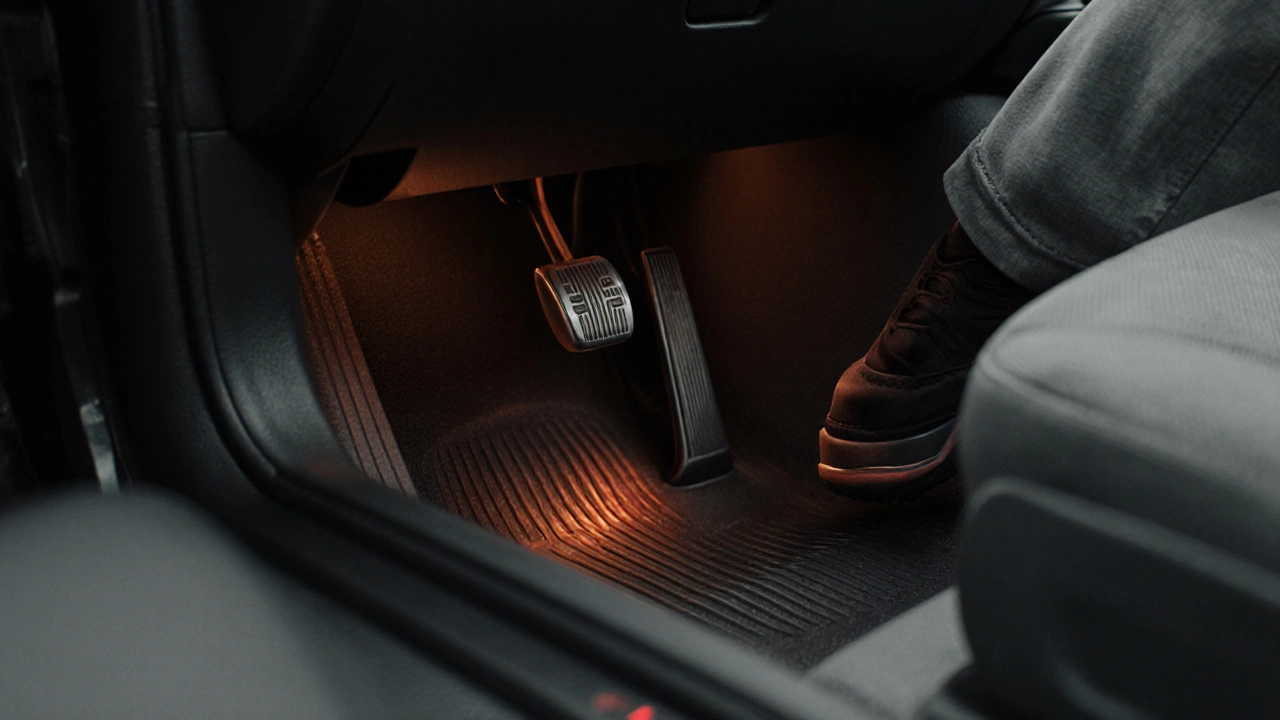
This is the number one killer of clutch kits. You’re sitting at a red light, your foot’s resting lightly on the clutch pedal. It feels natural. It feels relaxed. But that tiny bit of pressure - even half a pound - keeps the clutch disc partially engaged with the flywheel. That creates friction. That creates heat. That creates wear.
Modern clutches are designed to be fully disengaged when the pedal is all the way down. They’re not meant to be held halfway. Every time you rest your foot on the pedal, you’re wearing down the pressure plate, the release bearing, and the friction material on the clutch disc. Over time, that adds up. A clutch that should last 80,000 miles might fail at 40,000 because of this habit.
It’s simple: if you’re not shifting, your foot should be off the pedal. Rest it on the floor. Get used to it. Your clutch will thank you.
Riding the Clutch in Traffic
Stop-and-go traffic is tough on any car. But how you handle it makes all the difference. Some drivers think they’re being smooth by feathering the clutch - letting it slip just enough to creep forward without using the brake. That’s not smooth. That’s abusive.
Clutches are designed to transfer power fully when engaged and stop it completely when disengaged. Slipping it for prolonged periods - even just a few seconds at a time - turns the friction material into a heater. The clutch disc overheats, glazes over, and loses grip. The pressure plate springs weaken. The release bearing burns out from constant spin.
Instead of slipping the clutch, use the brake to hold the car still, then smoothly engage the clutch when you’re ready to move. If you’re stuck in traffic for more than 10 seconds, put the car in neutral and take your foot off the pedal. It’s not just better for the clutch - it’s easier on your leg too.
Aggressive Launching and Power Shifting
If you’ve ever revved your engine to 4,000 RPM and dumped the clutch to launch from a stop, you’ve done serious damage. Same goes for power shifting - holding the throttle wide open while shifting gears without fully releasing the clutch.
Clutch kits are built to handle normal driving loads, not racing conditions. When you slam the clutch into engagement at high RPM, you’re subjecting the friction material to extreme torque shock. The disc can crack, warp, or delaminate. The flywheel can develop hot spots. The pressure plate can crack under sudden stress.
Even if your car feels fine after a few hard launches, the damage is cumulative. You won’t notice it until the clutch starts slipping under load - maybe on a hill, or when towing. By then, the damage is done. Smooth, controlled engagement is always better than showy power.

Driving with a Heavy Load or Towing
Clutch kits are rated for a vehicle’s factory specifications. If you regularly tow trailers, carry heavy loads in the back, or drive with a roof rack full of gear, you’re putting extra strain on the drivetrain.
More weight means more torque demand. More torque means the clutch has to work harder to transfer power. That leads to more heat and more wear. If you’re towing near your vehicle’s maximum capacity, you’re essentially running the clutch at 120% of its design load.
It’s not just about the weight - it’s about how you drive. Trying to climb a steep hill in too high a gear? That’s clutch slipping. Accelerating slowly with a trailer? That’s clutch slipping. The solution isn’t to upgrade your clutch (unless you’re doing serious off-road or commercial towing) - it’s to drive smarter. Use lower gears. Don’t push the engine to its limit. Let the transmission do its job.
Ignoring Early Warning Signs
Clutches don’t fail suddenly. They give you plenty of warning - if you know what to look for.
- Clutch pedal feels higher than usual - you need to press it further to get engagement
- Engine revs up but the car doesn’t accelerate - slipping under load
- Grinding noise when shifting - worn synchronizers or clutch not fully disengaging
- Unusual burning smell - overheated friction material
- Clutch pedal feels spongy or loose - hydraulic system leak or air in the line
These aren’t "just quirks." They’re symptoms. A clutch that’s slipping at 50,000 miles on a car that should last 100,000 isn’t bad luck - it’s a red flag. Ignoring it won’t make it better. It’ll just make the repair more expensive. Once the friction material wears thin, the metal backing plate starts grinding against the flywheel. That’s when you need a new flywheel, a new pressure plate, and a new clutch - all at once.
Using the Wrong Clutch Kit
Not all clutch kits are the same. There’s a reason OEM clutches are called "stock" - they’re designed for everyday driving. Aftermarket kits come in different grades: performance, heavy-duty, race.
If you’re driving a standard family sedan or a compact hatchback, you don’t need a racing clutch. Those kits use harder friction materials that require more pedal force. They’re noisy. They’re harsh. And they wear out faster in daily driving because they’re not meant for frequent stop-and-go use.
On the flip side, if you’re using a lightweight, low-torque clutch on a modified engine or a vehicle with heavy loads, it’ll burn out in months. The key is matching the clutch to your driving needs - not your budget or your friend’s recommendation.
Stick with OEM-spec or a reputable brand’s equivalent. If you’re unsure, check the manufacturer’s specs or ask a trusted mechanic. A cheap clutch might save you £100 now - but cost you £800 in repairs later.
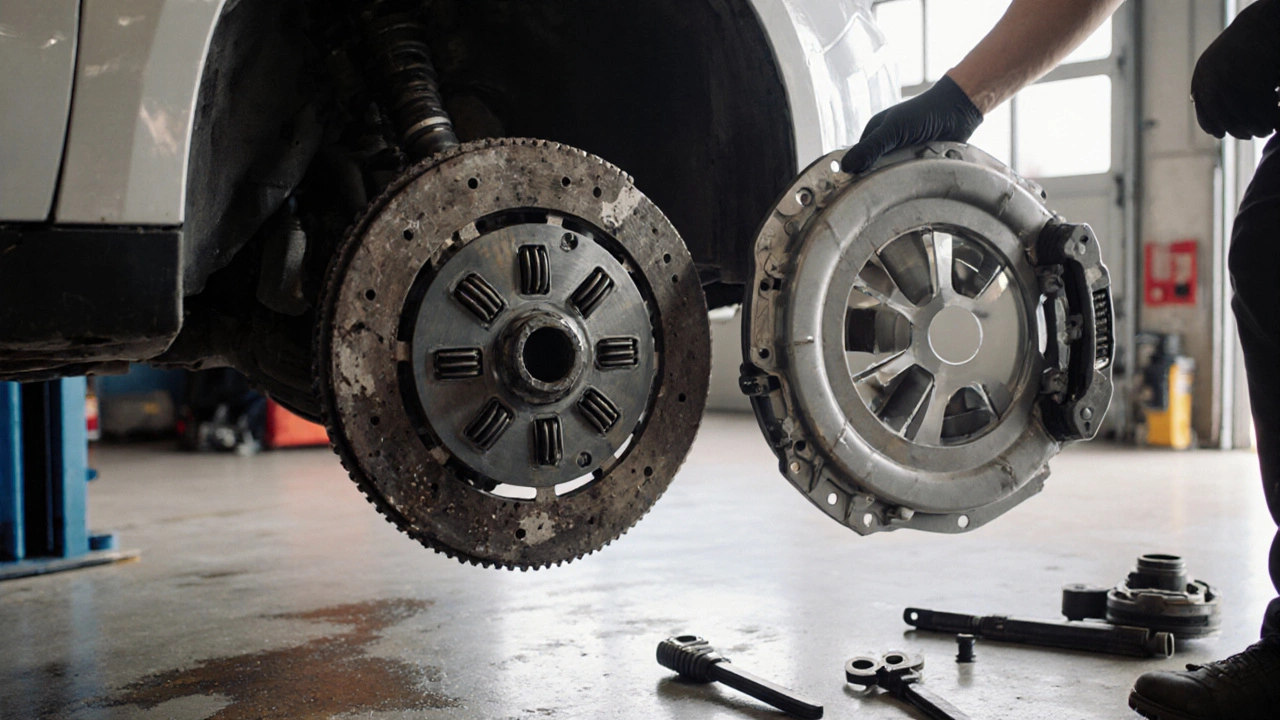
Hydraulic System Problems
Most modern clutches use hydraulic systems - fluid, lines, master and slave cylinders - to disengage the clutch. If there’s a leak, air in the system, or a worn master cylinder, the clutch won’t fully release.
That means the clutch disc is still partially spinning against the flywheel even when you’re not pressing the pedal. That’s constant friction. That’s heat. That’s premature wear.
Signs of hydraulic issues include a clutch pedal that feels soft, goes all the way to the floor, or doesn’t return properly. You might also notice difficulty shifting, especially when the car is cold.
Don’t assume the clutch is bad. Check the fluid level. Look for leaks under the car near the transmission. Bleed the system if needed. Fixing a small leak or replacing a slave cylinder costs £150. Replacing a burnt-out clutch because you ignored it? That’s £600+.
How Long Should a Clutch Kit Last?
In ideal conditions - smooth driving, no heavy loads, no habits that wear it out - a clutch kit should last between 80,000 and 120,000 miles. Some last longer. Some don’t make it to 40,000.
The difference isn’t luck. It’s behavior. Drivers who treat their clutch like a switch - fully on or fully off - get the most life out of it. Those who treat it like a dimmer switch? They’re paying for it in repairs.
Regular maintenance helps too. Check clutch fluid every 12 months. Listen for strange noises. Notice changes in pedal feel. Don’t wait for the car to stop moving before you act.
What to Do If Your Clutch Is Failing
If you notice any of the warning signs - slipping, strange smells, grinding, high pedal - don’t drive it hard. Avoid towing. Avoid heavy acceleration. Avoid stop-and-go traffic if you can.
Get it checked. A mechanic can inspect the clutch without removing it - by checking pedal travel, fluid condition, and shift feel. If it’s nearing the end, plan ahead. Clutch replacement isn’t a quick job. It takes 4-8 hours. You’ll need a rental car. You’ll need to budget for the parts and labor.
Don’t try to stretch it. A failing clutch can leave you stranded. Worse, it can damage the flywheel or transmission input shaft. That turns a £500 repair into a £1,500 one.
Can I drive with a bad clutch?
You can, but you shouldn’t. Driving with a slipping or failing clutch puts extra stress on the transmission and flywheel. It can cause permanent damage that turns a simple clutch replacement into a major repair. If the clutch is slipping badly, it may also make shifting unsafe - especially on hills or highways.
How much does it cost to replace a clutch kit?
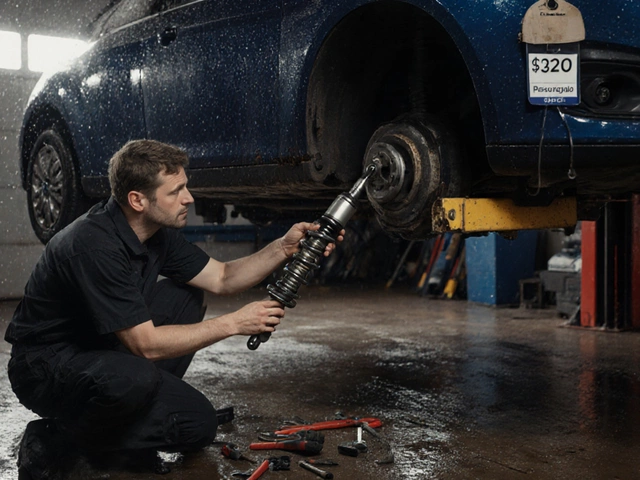
In the UK, replacing a clutch kit typically costs between £500 and £900, depending on the car model. Labor makes up the majority of the cost - often £350 to £600 - because the transmission has to be removed. Parts alone (clutch disc, pressure plate, release bearing) range from £150 to £400. High-end or performance vehicles can cost more.
Does a clutch kit include the flywheel?
No, a standard clutch kit includes the clutch disc, pressure plate, and release bearing. The flywheel is a separate component. However, if your flywheel is worn, cracked, or has heat spots, it should be replaced or resurfaced at the same time. Many mechanics recommend replacing the flywheel if the clutch fails early, as it’s a good opportunity to do it while the transmission is out.
Can I replace a clutch myself?
Yes, if you have experience with car repairs and the right tools - jack stands, transmission jack, torque wrench, and a workshop manual. But it’s not a beginner job. The transmission must be removed, and the clutch must be installed with precise torque settings. Mistakes can damage the flywheel, input shaft, or even the engine. For most people, professional installation is safer and more reliable.
How can I make my clutch last longer?
Avoid resting your foot on the pedal, don’t ride the clutch in traffic, launch smoothly, avoid heavy loads unless necessary, and shift gears with care. Check clutch fluid regularly and listen for early warning signs. Drive like you want your clutch to last - because you do.
Clutch kits are simple in design but sensitive in use. They’re not meant to be abused. They’re meant to be respected. The difference between a clutch that lasts 100,000 miles and one that fails at 40,000 isn’t about parts - it’s about how you press the pedal.