Driving Habits and Clutch Wear: How Your Style Kills Your Clutch
When your clutch, the component that connects your engine to the transmission in a manual car. Also known as clutch assembly, it starts slipping or grinding, it’s rarely because the part is defective. More often, it’s because of the way you drive. Driving habits, the consistent ways you operate a manual transmission vehicle directly control how long your clutch lasts. A well-maintained clutch can last over 100,000 miles—but if you ride the pedal, shift too fast, or idle in gear, it might not make it to 50,000.
One of the biggest killers is clutch wear, the gradual degradation of the friction material on the clutch disc. It’s not just about mileage. It’s about pressure. Resting your foot on the clutch pedal while stopped—even lightly—creates constant friction between the disc and pressure plate. That’s called riding the clutch, and it’s like holding a brake pedal down while driving. Same result: heat, glazing, and premature failure. Another common mistake? Shifting too quickly without fully releasing the pedal. That grinds the gears and stresses the release bearing, which is part of the same system. And don’t forget the habit of leaving the car in gear at red lights. Neutral is your friend. Every second you sit with your foot on the clutch, you’re eating away at its life.
The manual transmission, the gearbox that requires driver input to change gears isn’t designed to be treated like an automatic. It needs deliberate, smooth inputs. Slamming the gear lever into first from a stop? That strains the synchros and the clutch. Revving the engine too high before engaging? That’s shock loading the disc. Even how you release the pedal matters. A slow, controlled release gives the friction material time to grip evenly. A quick snap? It causes grabbing and hot spots. These aren’t myths. They’re physics. And they’re why two drivers with the same car, same mileage, and same oil changes can have completely different clutch outcomes.
You don’t need to be a racing driver to damage your clutch. You just need to be careless. The good news? Fixing your habits is free. No tools. No parts. Just awareness. Learn to lift your foot completely off the pedal when not shifting. Use the handbrake on hills instead of holding the car with the clutch. Shift smoothly, not fast. And never, ever leave your foot hovering over the pedal at traffic lights. These small changes add up. They’re the difference between replacing your clutch at 60,000 miles—or 120,000.
Below, you’ll find real-world guides on how to spot clutch wear before it leaves you stranded, what parts to replace when you do, and how your driving style affects other components like the flywheel and release bearing. No fluff. Just what works.
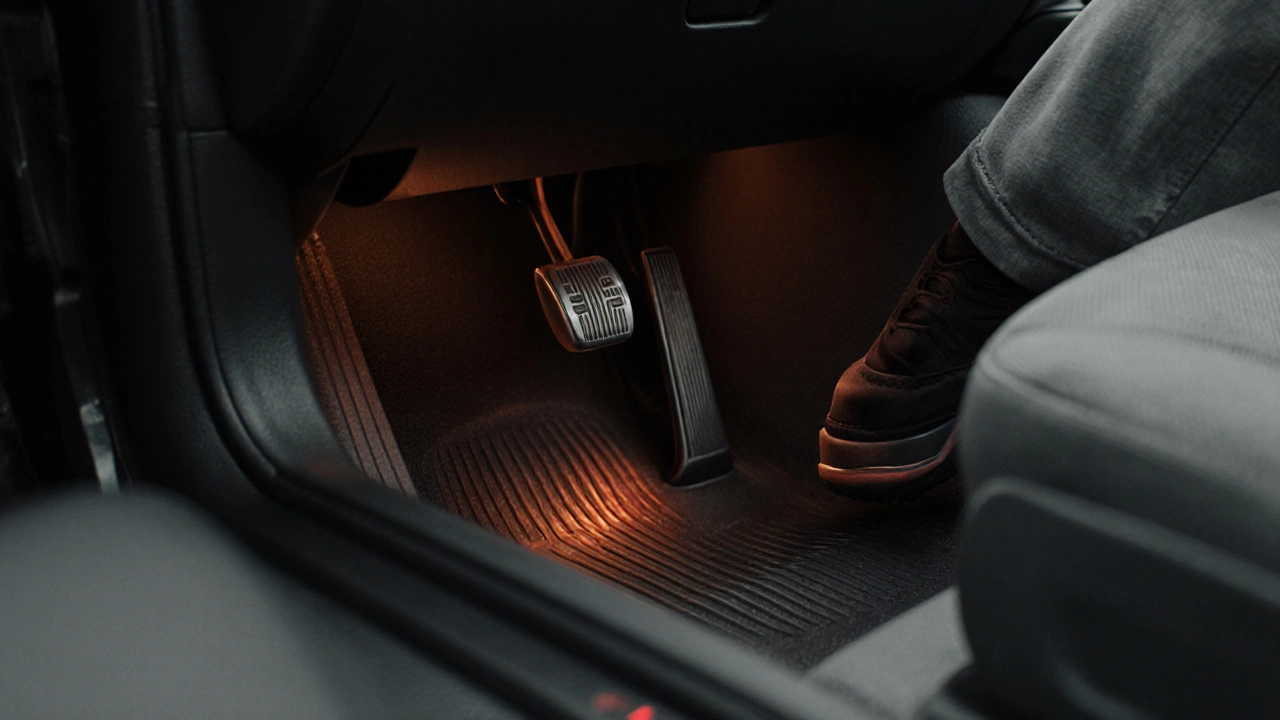
What Damages a Clutch Kit? Common Causes and How to Avoid Them
Nov 20 2025 / Transmission PartsLearn the real reasons clutch kits fail - from bad driving habits to ignored warning signs - and how to make yours last longer without expensive repairs.
VIEW MORE