Engine Oil: What Every Driver Should Know
When working with engine oil, a lubricating fluid that reduces friction, carries heat away, and protects engine parts. Also known as motor oil, it forms a thin film on moving surfaces. Pairing it with a proper oil filter, a device that traps contaminants before they circulate ensures clean circulation. Choosing the right viscosity, the oil's thickness rating such as 5W‑30 that matches temperature ranges, tailors protection to your driving conditions. Many drivers opt for synthetic oil, engine oil engineered for high performance and longer change intervals, because it resists breakdown and keeps engines running smoother for longer.
Key Factors to Consider
Understanding engine oil basics helps you decide how often to change it. Oil change interval depends on the oil type, mileage, and climate – synthetic blends may stretch to 10,000 miles, while conventional oils often recommend 5,000‑7,000 miles. Monitoring oil level with the dipstick prevents low‑oil wear and catches over‑filling, which can cause foaming and reduced lubrication. Additives like detergents and anti‑wear agents boost protection, but the right combination varies by engine design. For marine applications, corrosion‑resistant formulas fight saltwater exposure, showing how the same core concept adapts to different environments.
Cost, environmental impact, and performance all intertwine. Choosing a quality filter, respecting the manufacturer’s viscosity rating, and following a consistent change schedule reduces engine wear, improves fuel economy, and lowers emissions. Whether you’re maintaining a daily commuter or a weekend boat, the right engine oil strategy keeps your powerplant healthy and saves you money in the long run. Below you’ll find articles that dive deeper into each of these topics, offering step‑by‑step advice, troubleshooting tips, and the latest UK‑focused recommendations.
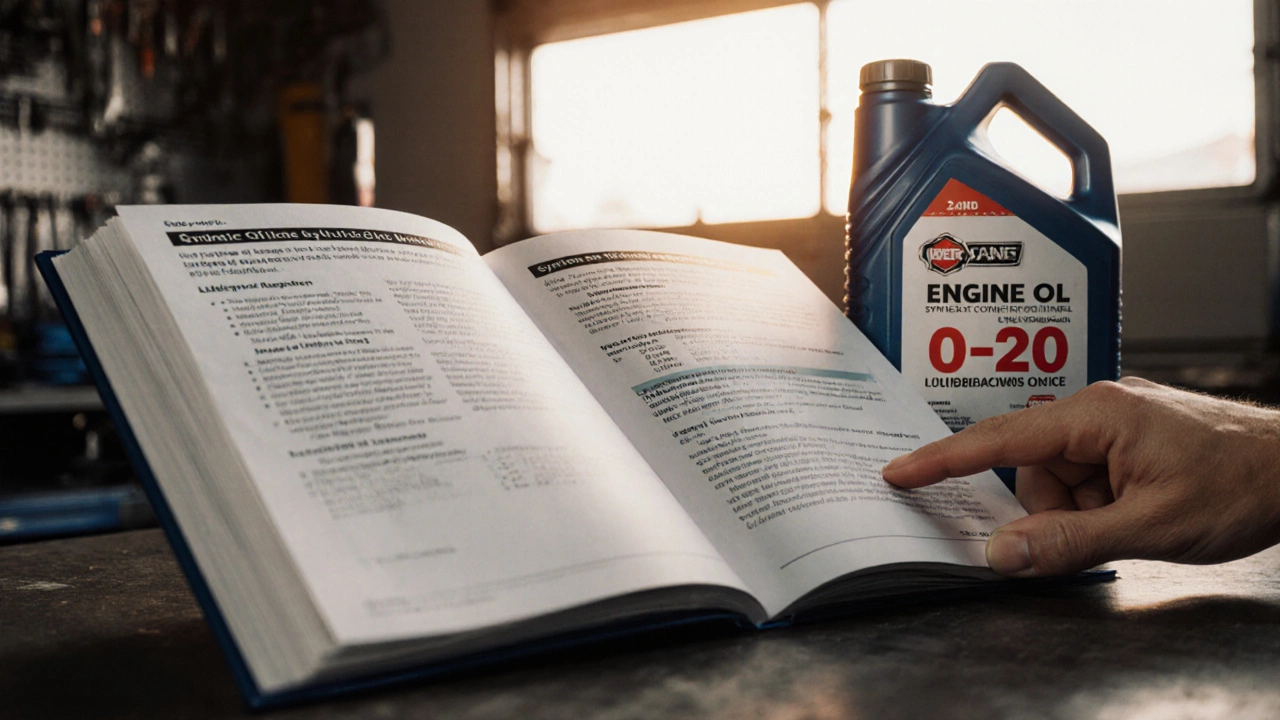
What Type of Engine Oil Should I Put in My Car?
Nov 18 2025 / Engine OilLearn exactly what type of engine oil your car needs based on viscosity, synthetic vs conventional, API ratings, and manufacturer specs. Avoid costly mistakes with clear, practical guidance.
VIEW MORE
Skipping Engine Oil Changes: Risks, Damage & Costs Explained
Oct 8 2025 / Engine OilSkipping oil changes can cause sludge, bearing wear, overheating, and costly repairs. Learn the short‑term signs, long‑term damage and how to prevent them.
VIEW MORE
Can You Just Add Oil to Your Car? The Simple Truth About Engine Oil Top-Ups
Jun 16 2025 / Engine OilEver looked at that oil warning light and thought, 'Can I just add oil to my car?' This article breaks down what really happens when you top up your oil, when it’s okay, and when you actually need a full oil change. You’ll get inside tips on checking your oil level, how much to add, and what could happen if you ignore your car’s oil needs. Expect handy facts and real-life advice so you’ll never guess about car oil again. Keep your engine happy without any fuss.
VIEW MORE
Engine Oil Low: What Really Happens to Your Car
May 18 2025 / Engine OilLow engine oil isn’t just a small problem—it can lead to big trouble if ignored. This article breaks down what actually happens inside your engine when oil runs low and how those changes can hurt your car. Find out the early warning signs, possible damage, and what you should do if you spot the issue. You’ll also get practical tips for keeping oil levels in check to avoid expensive repairs. Protect your engine and your wallet by knowing what’s at stake.
VIEW MORE
Engine Oil Low: What Actually Happens When You Run Out
May 13 2025 / Engine OilRunning your engine low on oil can lead to way more trouble than most people realize. Without enough oil, moving parts inside your engine lose their main source of lubrication and cooling. This can cause fast wear, overheating, and eventually engine failure. Catching the signs of low oil early can save you a mountain of repair bills. Here’s how running low on oil actually wrecks your engine and what you can do about it.
VIEW MORE
What Happens if You Don't Change the Oil Regularly?
Mar 10 2025 / AutomotiveEver wondered what really happens if you skip an oil change? Ignoring this crucial car maintenance task can lead to severe engine damage, costing you a lot more in repairs than routine maintenance would. Learn why timely oil changes are vital for your engine’s health and longevity, and discover tips to keep it running smoothly. Don't let a small oversight turn into a major problem; understand the significance of maintaining clean and efficient oil in your vehicle.
VIEW MORE
Understanding How a Car Reacts to Low Engine Oil Levels
Jan 28 2025 / Engine OilWhen a car runs out of oil, it doesn’t just stop suddenly; it gives signs that shouldn’t be ignored. Common indicators include unusual noises, smoke, and overheating. Understanding these symptoms not only prevents costly repairs but also ensures safety. Keep reading to learn about the effects of low oil levels on your vehicle's performance and how to maintain proper engine health.
VIEW MORE
Is Your Engine Running When You Add Oil? Essential Tips and Guidelines
Jan 2 2025 / AutomotiveAdding oil to your car’s engine is a crucial part of maintenance, yet it raises common questions like whether the engine needs to be running during the process. Discover the best practices to ensure your engine stays in optimal condition and learn how to avoid mistakes that could lead to severe damage. Understanding the right way to check and add oil can extend your vehicle's life and save you money in the long run.
VIEW MORE