Engine Oil Low: Signs, Risks, and What to Do Immediately
When your engine oil low, a critical condition where insufficient lubricant circulates through your engine’s moving parts. Also known as oil starvation, it’s not just a warning light—it’s a countdown to engine failure. Most drivers ignore it until they hear a knocking sound or see smoke. By then, it’s often too late. The truth is, low engine oil doesn’t just reduce performance—it destroys your engine from the inside out.
Your engine relies on oil to reduce friction between metal parts that move at thousands of RPMs. Without enough oil, those parts grind together, overheat, and warp. You’ll notice it first through strange noises—ticking, clattering, or a deep knocking. Then comes power loss, overheating, and eventually, the engine stalls. Some cars show a warning light, but many older models don’t. That’s why checking your oil level, the amount of lubricant in the engine’s sump, measured via dipstick or digital sensor every few weeks isn’t optional—it’s survival. And if you’ve ever seen dark, gritty oil on the dipstick, that’s not normal wear. That’s contamination, and it’s speeding up the damage.
Low oil isn’t always from leaks. It can come from burning oil due to worn piston rings, a faulty PCV valve, or even just forgetting to top up after an oil change. Some drivers assume synthetic oil lasts forever, or that a car with low miles doesn’t need checks. That’s a myth. Even a well-maintained engine can lose oil silently. A small leak under the car, a loose oil filter, or a cracked gasket can drain your oil without you noticing until it’s critical.
What happens if you keep driving? The engine oil warning, a visual or audible alert triggered by low oil pressure or level is your last chance. Ignoring it can mean a seized engine, a $5,000 repair, or a total write-off. And no, adding oil after the engine is already damaged won’t fix it. You need to stop, check, and refill—immediately.
Here’s what you can do today: Park on level ground, turn off the engine, wait five minutes, pull the dipstick, wipe it clean, reinsert it, then pull it out again. If the oil is below the minimum mark, add the right type—check your manual. If it’s dark and thick, it’s time for a change. If you’re adding oil often, get it checked. This isn’t about being cheap—it’s about keeping your car alive.
Below, you’ll find real guides from drivers who’ve been there—what they saw, what they did, and how they avoided a total loss. Whether you’re dealing with a noisy engine, a warning light, or just want to know how to check your oil right, these posts give you the clear, no-fluff facts you need before you’re stranded.
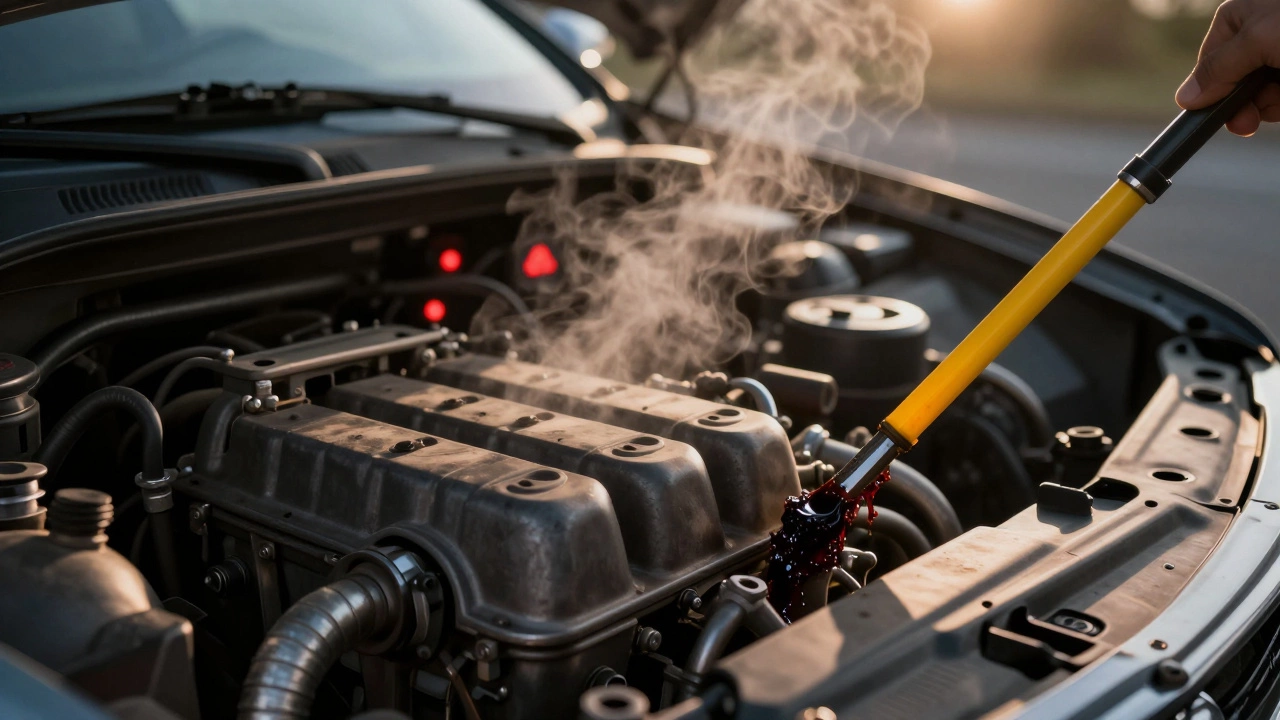
What Happens When Your Car Needs Engine Oil? Signs, Risks, and What to Do
Dec 1 2025 / Engine OilWhen your car needs engine oil, it's not just a maintenance task-it's an emergency. Learn the signs of low oil, the damage it causes, and what to do before your engine fails for good.
VIEW MORE