Engine Oil Level Checker
Check Your Oil Level
Engine oil is critical for your engine's health. Check your oil level to avoid costly damage.
Oil Change Recommendations
Based on your driving conditions, here's how often you should change your oil:
When your car needs engine oil, it doesn’t just whisper a warning-it screams. You might hear a knocking sound from under the hood, see a red light flash on your dashboard, or feel the engine shudder when you accelerate. These aren’t random glitches. They’re red flags that your engine is running on fumes-literally. Engine oil isn’t just a fluid you top off every few months. It’s the lifeblood of your engine, and when it’s low or degraded, your car starts to shut down piece by piece.
What Engine Oil Actually Does
Engine oil isn’t just for lubrication. It cools hot metal parts, cleans away sludge, seals gaps between piston rings and cylinder walls, and prevents rust. Without it, steel components grind against each other at thousands of RPMs. The temperature in your engine can hit over 250°C (480°F) during normal operation. Oil absorbs that heat and carries it away. It also carries tiny metal particles to the oil filter, keeping your engine clean. Modern engines rely on precise oil pressure to operate components like variable valve timing systems and hydraulic lifters. If oil levels drop, those systems fail silently-until something breaks.
How Low Oil Starts to Hurt Your Engine
When oil levels fall below the minimum mark, the oil pump can’t pull enough fluid to circulate. That means critical parts like the crankshaft, camshaft, and connecting rods aren’t getting coated. The first sign? A metallic knocking or ticking noise. That’s the sound of metal-on-metal contact. It’s not the kind of noise you can ignore. A 2023 study by the Society of Automotive Engineers found that engines running with 30% less oil than required suffered 40% more wear in the first 500 miles. That’s not a myth-it’s measurable damage.
Low oil also means overheating. Without enough fluid to absorb heat, your engine runs hotter than designed. That can warp cylinder heads, crack exhaust valves, or even seize pistons. In extreme cases, the engine locks up completely. You’re not just risking a repair bill-you’re risking a total engine replacement, which can cost $4,000 to $8,000 depending on your car.
Signs Your Car Needs Engine Oil
- The oil warning light-this red or yellow icon looks like an oil can. It comes on when oil pressure drops below safe levels. Don’t wait for it to turn off. Pull over and shut off the engine immediately.
- Engine noise-a new ticking, knocking, or rumbling sound, especially when idling or accelerating, means parts are not getting enough lubrication.
- Smell of burning oil-if you smell hot oil inside the cabin or near the engine, it could mean oil is leaking onto hot exhaust components.
- Exhaust smoke-blue or gray smoke from the tailpipe means oil is leaking into the combustion chamber and burning. This often happens when oil levels are too high or the piston rings are worn, but low oil can also cause seals to dry out and leak.
- Check engine light-while this can mean many things, if it comes on with low oil, it’s often because the engine control unit detected abnormal temperatures or pressure.
What Happens If You Keep Driving
Some drivers think, “I’ve driven 50 miles with low oil before-nothing happened.” That’s luck, not skill. Engines don’t fail all at once. They die slowly. First, the bearings wear down. Then, the valves start sticking. After that, the timing chain stretches or jumps. Each of these issues compounds the next. A 2024 report from AAA found that 27% of engine failures linked to low oil were avoidable-drivers ignored warning signs for over 1,000 miles.
Driving with low oil doesn’t just cost money. It can strand you. Imagine pulling into a gas station and hearing a loud clunk, then your car dying. No warning. No power steering. No brakes. That’s what happens when oil starvation causes the engine to seize.
How to Check Your Oil Level (And When to Do It)
Checking oil isn’t optional. Do it every two weeks or before any long trip. Here’s how:
- Park on level ground and turn off the engine. Wait 5 minutes for oil to settle.
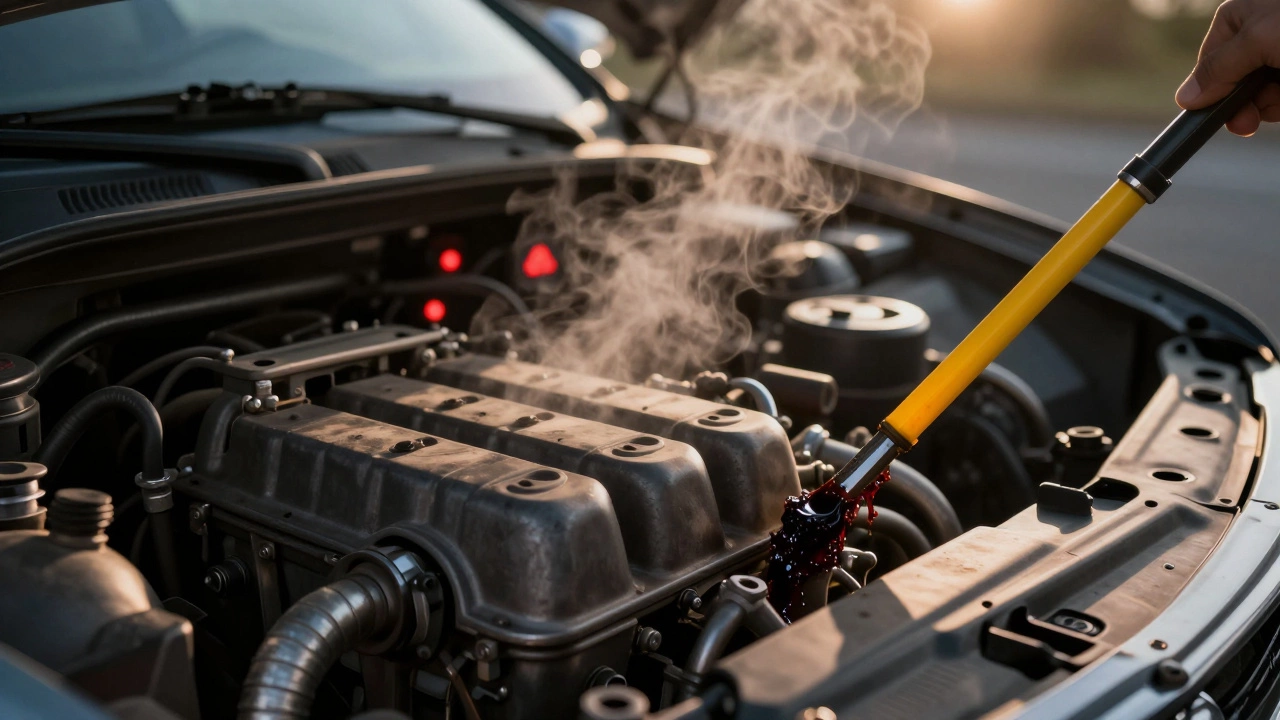
- Open the hood and locate the dipstick-usually a yellow or orange handle.
- Pull it out, wipe it clean with a rag, then reinsert it fully.
- Pull it out again. The oil level should be between the minimum and maximum marks.
- If it’s below the minimum, add oil in half-quart increments until it’s in range.
Use the oil type your owner’s manual recommends-5W-30, 0W-20, etc. Mixing types can cause sludge. Never overfill. Too much oil creates foam, which reduces lubrication and can damage the catalytic converter.
How Often Should You Change Engine Oil?
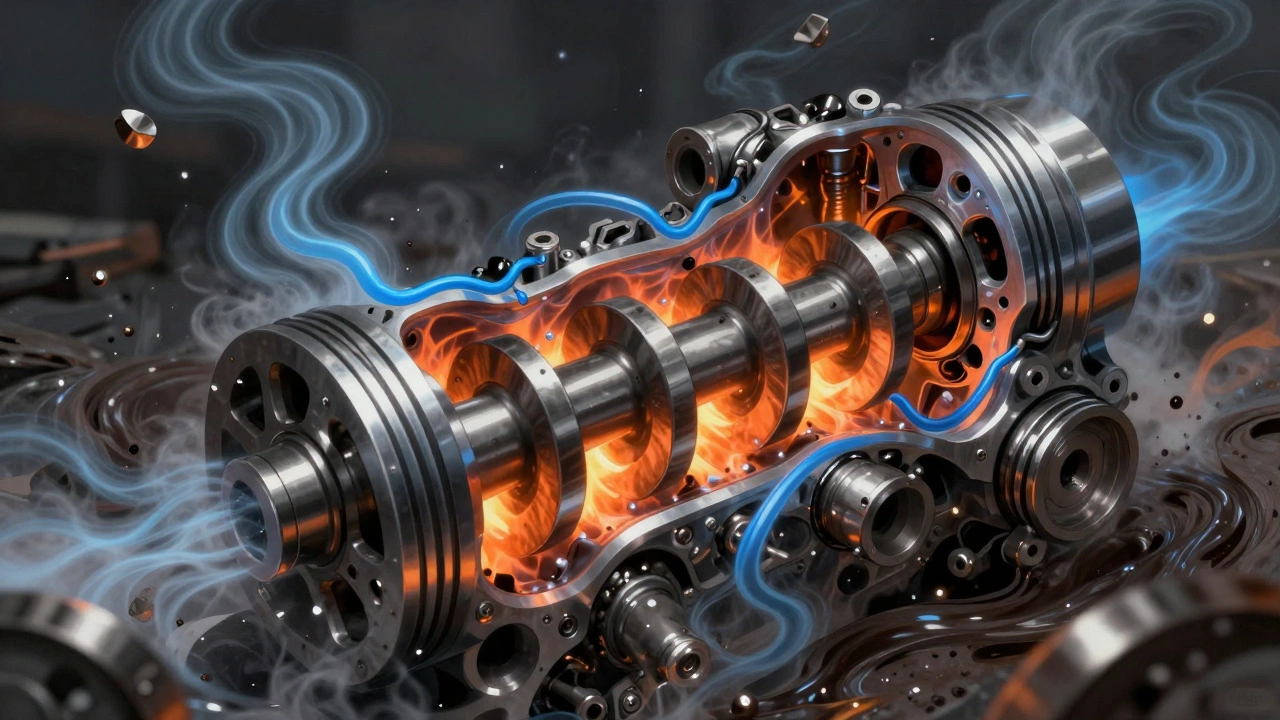
Old advice said every 3,000 miles. That’s outdated. Most modern cars use synthetic oil, which lasts longer. Check your manual. Most manufacturers now recommend oil changes every 7,500 to 10,000 miles. But that’s under ideal conditions. If you drive in stop-and-go traffic, extreme heat, dusty roads, or tow heavy loads, cut that in half. Real-world driving wears oil faster. A 2025 Consumer Reports survey showed that drivers who followed the 3,000-mile rule in modern cars wasted $120 a year on unnecessary oil changes. But those who ignored oil changes entirely had 3x more engine failures.
What to Do If You’re Low on Oil
If you’re low, don’t panic. But don’t delay either.
- If the level is just below the minimum, add the correct oil type and drive cautiously to the nearest service station.
- If the warning light is on or you hear knocking, turn off the engine. Call for a tow. Running it even 100 feet could cost you $2,000 in repairs.
- If you’ve been low for a while, get a full oil change and inspection. A mechanic can check for internal damage using a compression test or endoscope.
Preventing Future Problems
Set a reminder on your phone for oil checks every two weeks. Keep a bottle of your car’s recommended oil in your trunk. Learn to recognize the warning light. Most importantly-don’t wait for the check engine light to act. By then, it’s often too late. Engines don’t warn you twice.
What Happens After You Add Oil
Adding oil fixes the symptom-not the cause. If your oil level dropped because you’re burning oil due to worn piston rings or leaking valve seals, you’ll need to fix the root problem. That’s why mechanics check for oil leaks, smoke from the exhaust, and engine compression when you bring your car in. A small leak can turn into a major repair if ignored. Replacing a valve cover gasket might cost $200. Replacing the entire engine? Ten times that.
Why Synthetic Oil Is Better for Modern Engines
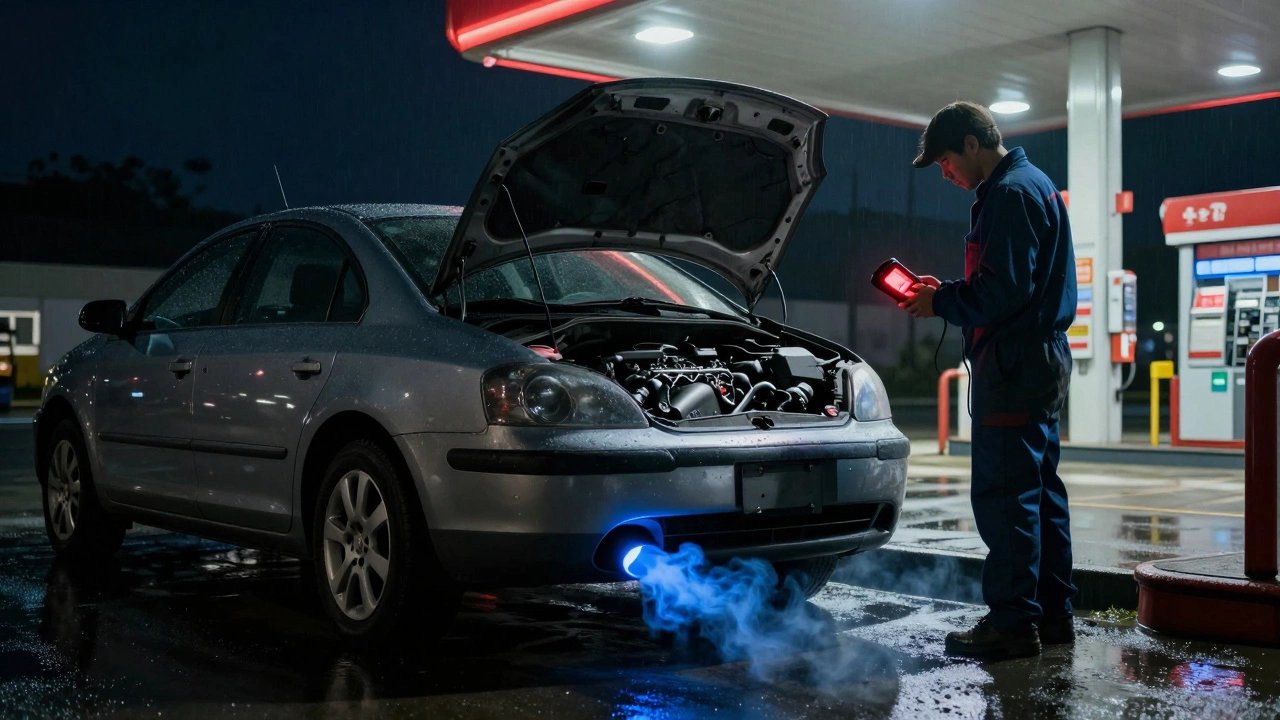
Older cars used conventional oil. Modern engines run tighter tolerances, higher temperatures, and more complex systems. Synthetic oil handles heat better, flows faster in cold weather, and resists breakdown over time. It’s more expensive upfront, but it lasts longer and protects better. For cars made after 2010, synthetic oil isn’t a luxury-it’s a requirement. Using conventional oil in a newer engine can void your warranty and cause premature wear.
Oil Change Intervals by Driving Style
| Driving Style | Oil Change Interval | Why It Matters |
|---|---|---|
| Normal highway driving | 7,500-10,000 miles | Steady speeds let oil circulate efficiently and stay clean. |
| Stop-and-go traffic | 5,000 miles | Frequent idling causes oil to break down faster and accumulate contaminants. |
| Extreme heat or cold | 5,000-6,000 miles | Temperature swings stress oil viscosity and reduce its protective qualities. |
| Towing or hauling | 3,000-5,000 miles | Heavy loads increase engine stress and oil temperature dramatically. |
| Dusty or off-road conditions | 4,000-5,000 miles | Dirt and debris get into the engine and contaminate the oil faster. |
Final Reality Check
Engine oil isn’t something you can skip. It’s not a suggestion. It’s a requirement as vital as fuel. A car without oil is like a body without blood. You won’t die instantly, but you won’t survive long. The cost of ignoring it isn’t just money-it’s your time, your safety, and your peace of mind. Fix it early. Check it often. Change it on time. Your engine will thank you with years of reliable service.
What happens if I drive with low engine oil?
Driving with low engine oil causes metal parts to grind together without lubrication. This leads to overheating, increased friction, and rapid wear on bearings, pistons, and valves. You may hear knocking or ticking noises. If you keep driving, the engine can seize completely, requiring a full replacement that costs thousands of dollars.
How do I know if my car needs engine oil?
Look for the oil warning light on your dashboard, unusual engine noises like ticking or knocking, a burning oil smell, or blue smoke from the exhaust. The most reliable way is to check the dipstick-oil should be between the minimum and maximum marks. If it’s below the minimum, add oil immediately.
Can I just add oil instead of getting an oil change?
Adding oil temporarily fixes low levels, but it doesn’t replace old, dirty oil. Over time, oil breaks down, picks up metal particles, and loses its ability to lubricate. If your oil is dark, gritty, or smells burnt, it’s time for a full change-not just a top-up. Regular oil changes remove contaminants and restore protection.
Is synthetic oil worth the extra cost?
Yes, especially for cars made after 2010. Synthetic oil flows better in cold weather, resists breakdown under high heat, and lasts longer than conventional oil. It reduces engine wear and can extend oil change intervals. While it costs more per quart, it saves money long-term by protecting your engine and reducing repair risks.
How often should I check my engine oil?
Check your engine oil every two weeks or before any long trip. If your car is older, uses oil, or you drive in harsh conditions, check it weekly. Modern cars can go 7,500-10,000 miles between oil changes, but oil levels can drop between changes due to leaks or burning. Regular checks catch problems before they become expensive.
Next Steps
If you’ve been ignoring oil levels, start today. Buy a bottle of your car’s recommended oil and keep it in your trunk. Set a recurring reminder on your phone to check the dipstick every two weeks. If your oil is consistently low, get a leak inspection. If you’re unsure what oil to use, look in your owner’s manual or check the cap on your oil filler neck-it’s printed there. Don’t guess. Don’t wait. Your engine’s life depends on it.