Engine Oil Top Up: Keep Your Engine Running Smoothly
When working with engine oil top up, the process of adding fresh oil to keep the engine's lubrication at the correct level. Also known as oil topping up, it helps maintain proper oil pressure and protects internal components. Engine oil is the lifeblood that carries heat away and reduces friction. Knowing when and how to top up prevents the engine from running dry, which can lead to costly repairs.
Why Checking Oil Level Matters
The first step in any successful engine oil top up routine is verifying the current oil level. This is done with the oil level, the amount of oil present in the crankcase as measured by the dipstick. Pull the dipstick, wipe it clean, re‑insert, and read the mark. If the oil sits below the “min” line, you’re ready to add oil. Skipping this check can mask low‑oil conditions, leading to overheating and premature wear.
Regularly monitoring the oil level creates a clear relationship: engine oil top up requires accurate oil level reading. When the level is correct, the oil pump can circulate fluid efficiently, keeping bearings cool. Missing this step breaks the chain and forces the engine to run with insufficient lubrication.
Another key connection is that proper oil level prevents bearing wear. Bearings rely on a thin film of oil to glide smoothly. If the film thins out, metal‑to‑metal contact occurs, producing noise and eventual failure. By topping up at the right time, you keep that protective film intact.
In practice, checking the oil level every 1,000 miles or before long trips is a habit worth forming. It only takes a minute, but the payoff is long‑term engine health.
Beyond the dipstick, modern cars may have electronic oil level sensors. These sensors feed data to the dashboard, alerting you when a top up is needed. Regardless of the method, the principle stays the same: know your oil level, act when it's low.
When you decide to add oil, use the right viscosity and type recommended by the manufacturer. This ensures optimal flow at operating temperature and protects seals.
Finally, remember that oil expands when hot. Adding oil when the engine is cold can lead to overfill after it warms up. A good rule of thumb is to add oil in small increments, re‑checking the level after each pour.
Skipping an oil top up can quickly turn a minor issue into a major repair bill. The chain of cause and effect is simple: low oil → reduced pressure → bearing wear → engine failure.
By staying on top of oil levels, you break that chain before it starts.
One common mistake is confusing an oil top up with a full oil change. While both involve adding oil, they serve different purposes. Oil change, the complete removal of old oil and replacement with fresh oil is scheduled based on mileage or time, typically every 5,000‑7,500 miles. An oil top up, on the other hand, is a corrective step taken when the level dips between changes.
Understanding this distinction helps you avoid unnecessary expenses. If you’re within the oil‑change interval and just need a small top up, there’s no need to drain the whole system. Conversely, if the oil looks dark, gritty, or smells burnt, it’s time for a change, not just a top up.
Overfilling is another pitfall. Adding too much oil can cause foaming, increase crankcase pressure, and force oil into the combustion chamber, leading to smoke and fouled spark plugs. The relationship here is: engine oil top up requires correct volume. Use a funnel, pour slowly, and always re‑check the dipstick.
In summary, a disciplined approach to engine oil top up—checking the oil level, adding the right amount of the right oil, and distinguishing it from a full change—keeps the engine’s internal components lubricated, reduces wear, and extends the vehicle’s life. Below, you’ll find a curated set of articles that dive deeper into related topics like oil over‑fill risks, the economics of oil changes, and how oil quality impacts performance. Explore the collection to sharpen your maintenance skills and keep your ride running smoothly.
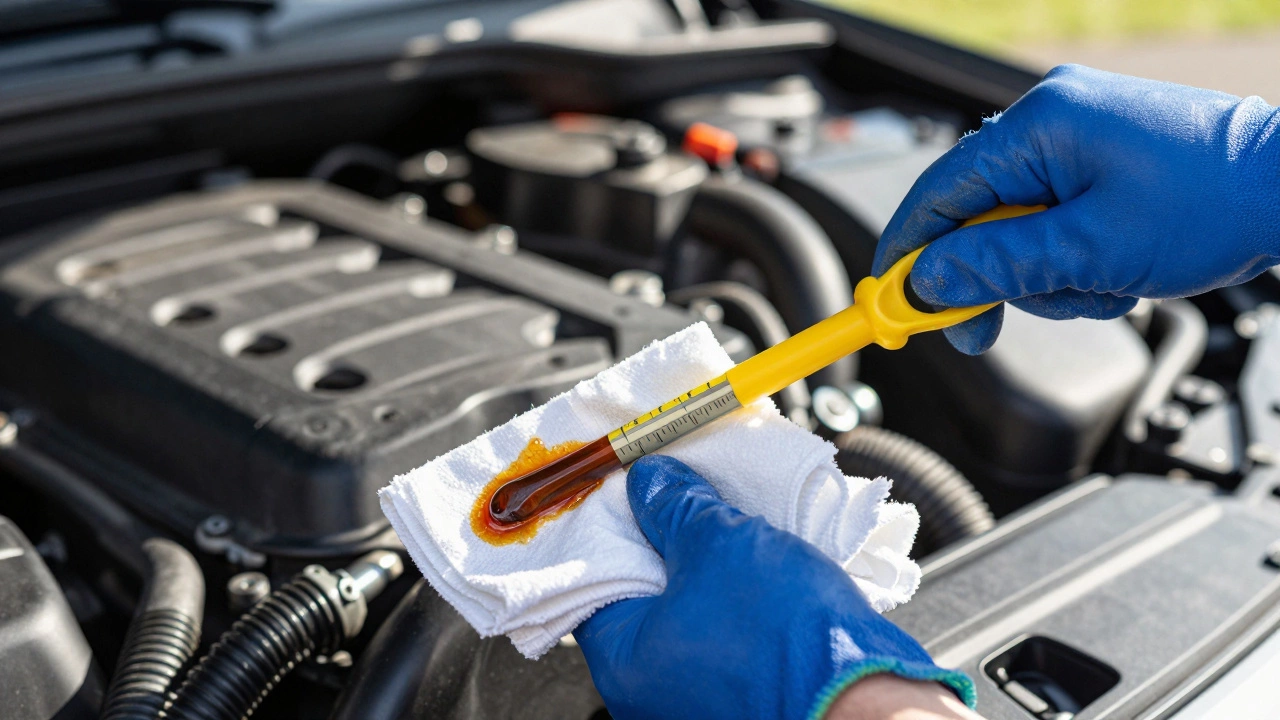
How Much Oil to Add When Low: Safe Top-Up Guide
May 31 2026 / Engine OilLearn exactly how much oil to add when your level is low. We explain how to read the dipstick, calculate the correct volume, and avoid the dangers of overfilling your engine.
VIEW MORE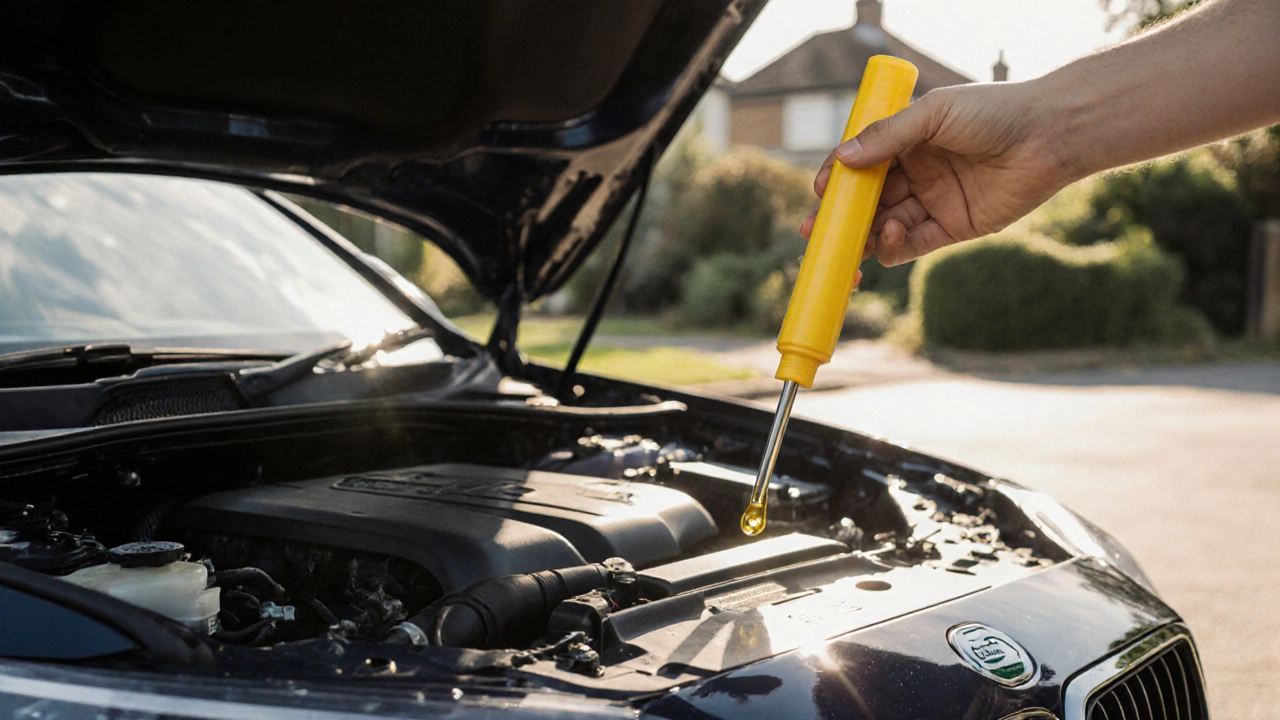
Engine Oil Top‑Up Frequency: When and How Often
Oct 16 2025 / Engine OilLearn how often to top up engine oil, factors that affect consumption, step‑by‑step topping up, and a maintenance checklist to keep your car healthy.
VIEW MORE