Engine Oil Type: What Works for Your Car or Boat and Why It Matters
When you pick an engine oil type, the specific blend of base oils and additives designed to lubricate, cool, and protect your engine. Also known as motor oil, it’s the lifeblood of your vehicle’s engine—whether it’s in your daily driver or your weekend boat. Using the wrong kind can lead to sludge, overheating, or even engine failure. It’s not just about what’s cheapest at the store—it’s about matching the oil to your engine’s design, your driving habits, and the environment you’re in.
There are four main engine oil types: conventional, synthetic blend, full synthetic, and high-mileage. Conventional oil is the basic option, good for older cars with simple engines. Full synthetic oil, engineered in labs for better flow, heat resistance, and longer life, is what most modern cars and high-performance marine engines need. Synthetic blend mixes the two—a middle ground for drivers who want some benefits without the full cost. And if your engine has over 75,000 miles, high-mileage oil has special seal conditioners to reduce leaks and keep things tight.
Viscosity matters too. That number on the bottle—like 5W-30 or 10W-40—isn’t just marketing. It tells you how thick the oil is when cold and how thin it gets when hot. Your owner’s manual says what your engine needs. Ignoring it? You’re gambling. A boat engine running in saltwater needs different protection than a car in winter snow. And if you’re towing, hauling, or idling for long periods, you’re putting extra stress on that oil. That’s why skipping oil changes or using cheap oil can turn a $50 oil job into a $5,000 engine rebuild.
Some people think all oils are the same. They’re not. A car that runs fine on conventional oil might scream for full synthetic. A marine engine exposed to moisture and salt can’t rely on the same formula as a highway cruiser. The posts below show you what happens when you ignore oil type, how to spot when your oil is failing, and what to do when your engine starts burning it faster than it should. You’ll find real stories from people who learned the hard way—and how to avoid their mistakes.
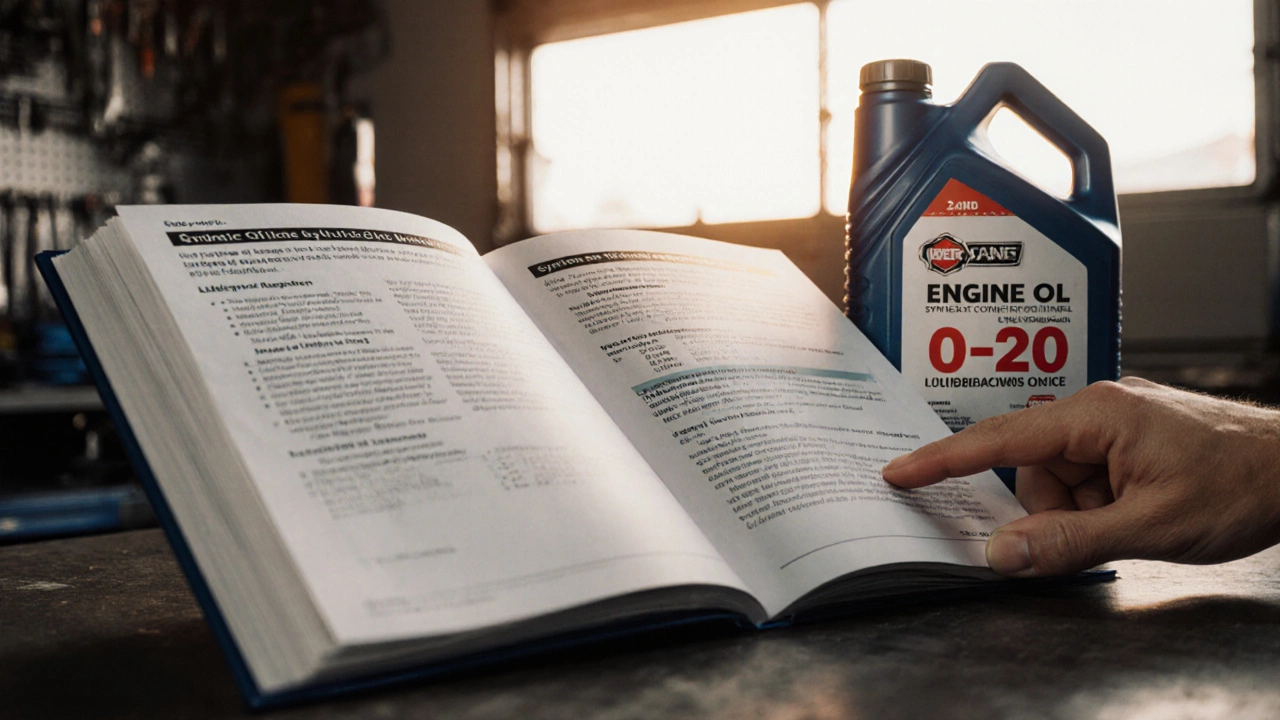
What Type of Engine Oil Should I Put in My Car?
Nov 18 2025 / Engine OilLearn exactly what type of engine oil your car needs based on viscosity, synthetic vs conventional, API ratings, and manufacturer specs. Avoid costly mistakes with clear, practical guidance.
VIEW MORE