Fuel Efficiency Wheels: What Really Makes a Difference
When people talk about fuel efficiency wheels, tires designed to reduce rolling resistance and improve mileage. Also known as low-rolling-resistance tires, they’re not about flashy rims or lightweight alloys alone—they’re about how the tire contacts the road and how much energy it takes to keep moving. Many drivers think upgrading to fancy wheels will save gas, but the truth is simpler: it’s the tire, not the wheel, that matters most.
The real enemy of fuel economy is rolling resistance, the force that opposes the motion of a tire as it rolls along the surface. Every time your tire deforms under weight, it uses energy. Thicker tread, softer rubber, or underinflated tires make this worse. A tire with high rolling resistance can cost you up to 5% on your fuel bill. That’s like paying extra £15 a month on a £300 fuel budget. Tire pressure, the air level inside your tires measured in PSI or bar. is the easiest fix—underinflated tires increase rolling resistance faster than almost anything else. The Department of Energy says 90% of drivers run tires below recommended pressure. Fix that, and you’ve done more for fuel economy than most tire upgrades.
Not all tires are built the same. Tire type, the design and compound used in a tire’s construction. affects efficiency too. Summer tires with sticky rubber grip better but roll slower. All-season tires balance grip and efficiency, while dedicated fuel-saving tires use harder compounds and shallower treads to reduce friction. But don’t be fooled—going too thin on tread can hurt safety in rain or snow. The best fuel-efficient tires don’t sacrifice wet grip. Look for the EU energy label: A-rated tires save more than C-rated ones, and the difference adds up over thousands of miles.
Weight matters too. Heavy alloy wheels don’t help. Lighter wheels reduce unsprung mass, which helps suspension respond faster and reduces energy loss during acceleration and braking. But again, it’s a small gain—switching from 20-inch steel rims to 17-inch lightweight alloys might save you 1-2% on fuel. That’s not nothing, but it’s not the big win people think. The real savings come from keeping your current wheels with the right tires, at the right pressure, and replacing them before the tread wears down unevenly.
You won’t find a magic wheel that turns your car into a hybrid. But you can make smarter choices. Check your tire pressure every two weeks. Replace worn tires before they get bald. Choose tires with a good fuel efficiency rating, not just the cheapest option. And skip the oversized rims—they look cool, but they eat gas. The posts below show real-world tests, common mistakes, and what mechanics actually recommend. No fluff. Just what works.
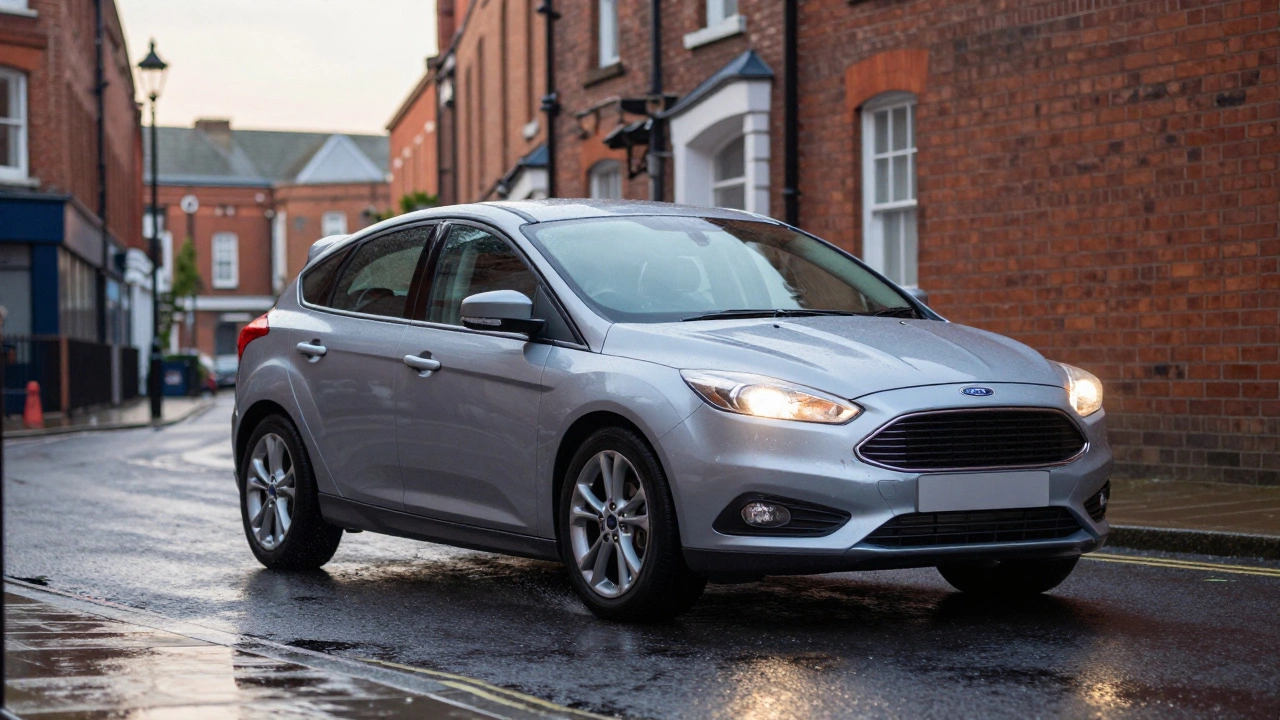
What Are the Benefits of Alloy Wheels? Real Advantages You Can Feel
Dec 1 2025 / WheelsAlloy wheels offer real benefits like better handling, improved fuel efficiency, and enhanced braking performance. They're lighter, look better, and can even extend tire life. Find out why they're worth the upgrade.
VIEW MORE