Fuel Pump Replacement Time: How Long It Takes and What to Expect
When your fuel pump, the component that delivers gasoline from your tank to the engine. Also known as fuel delivery pump, it's one of those parts you never think about—until your car won’t start or sputters on the highway. A failing fuel pump doesn’t always scream for help. Sometimes it just fades out quietly, leaving you stranded. Knowing how long fuel pump replacement takes helps you plan, avoid surprises, and spot when it’s really time to act.
Most mechanics will tell you that replacing a fuel pump takes between 2 to 4 hours. But that’s not the whole story. The time depends on where the pump is located. In older cars, it’s often in the tank, which means dropping the tank or lifting the back seat to access it—adding serious time. Newer models might have an access panel under the rear seat, cutting the job down to under 2 hours. If you’re doing it yourself, add another hour or two for safety checks, draining fuel, and re-sealing connections. And don’t forget: if your fuel filter is clogged or your fuel lines are brittle, you’ll likely need to replace those too. That’s why many pros recommend replacing the fuel filter and checking the fuel pressure regulator at the same time. These are all part of the same system, and they wear together.
What makes a fuel pump fail? It’s usually age, dirty fuel, or running the tank too low. Every time you run on empty, the pump overheats because it needs fuel to cool itself. Over time, that kills it. Signs you’re heading toward failure include a whining noise from the back of the car, trouble starting after the engine’s been off, loss of power when accelerating uphill, or sudden stalling. If you’ve got any of those, don’t wait for it to die completely. A quick fuel pressure test can confirm if the pump’s weak before you’re stuck on the side of the road.
And here’s something most people don’t realize: replacing the fuel pump often means replacing the fuel sender unit too. That’s the part that tells your gas gauge how much fuel is left. If it’s old, it’ll give you false readings—maybe showing half a tank when you’re really on fumes. Many aftermarket kits bundle the pump and sender together, saving you a second trip to the garage later. If you’re replacing the pump, get the full kit. It’s cheaper in the long run.
There’s no magic number for when a fuel pump dies—it can last 100,000 miles or just 50,000, depending on your habits and fuel quality. But if your car is over 8 years old and you’ve never replaced it, you’re playing Russian roulette with your engine. The good news? You don’t need to guess. The posts below show you how to test your pump before spending money, what symptoms to watch for, and how to fix it without overpaying. Whether you’re a DIYer or just want to know what your mechanic is talking about, you’ll find real, no-fluff advice here.
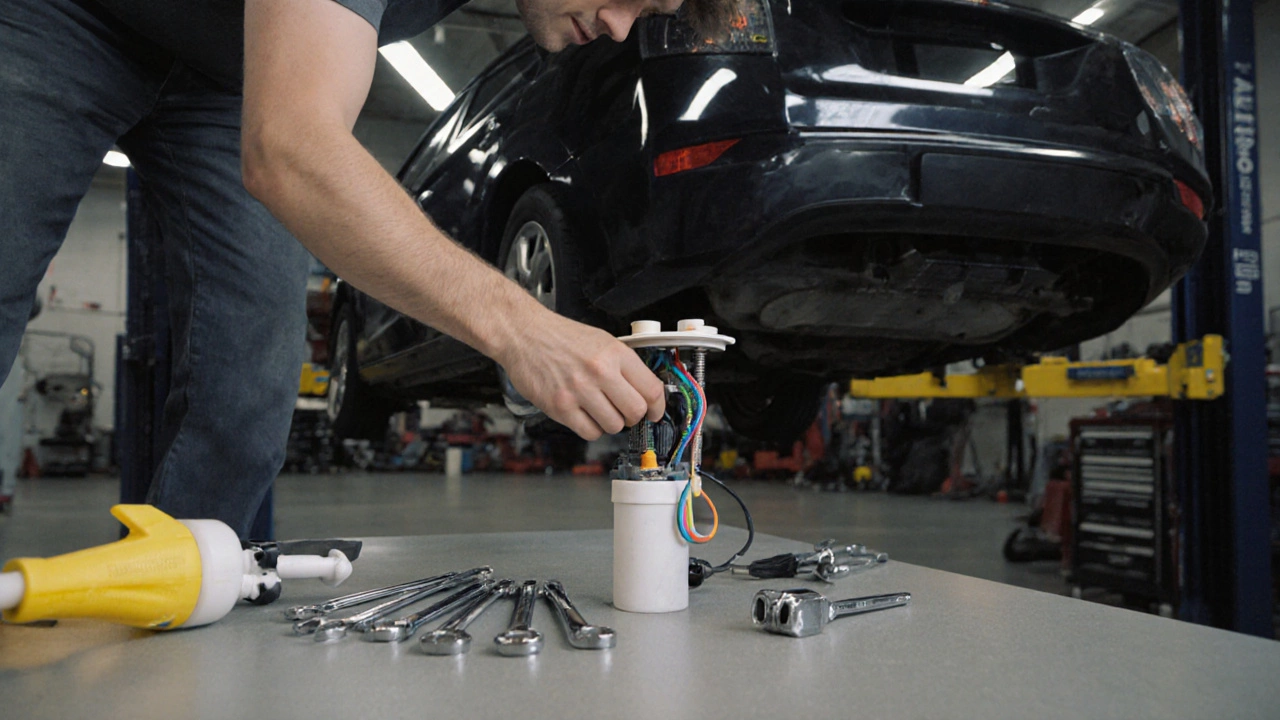
How Many Hours Does It Take to Replace a Fuel Pump? Real-Time Estimates for DIY and Mechanics
Oct 30 2025 / Fuel PumpsReplacing a fuel pump usually takes 2 to 5 hours, depending on your car model and experience. Learn what affects the time, which vehicles are easiest or hardest, and how to avoid costly mistakes.
VIEW MORE