How Long to Replace Fuel Pump: Time, Signs, and What Else to Check
Replacing a fuel pump, a critical component that delivers gasoline from the tank to the engine. Also known as fuel delivery pump, it’s one of those parts you don’t think about until your car sputters and dies on the side of the road. Most people assume it’s a quick fix, but the time it takes to replace a fuel pump isn’t just about swapping a part—it’s about access, safety, and checking what’s hiding nearby.
On average, a professional mechanic will take 2 to 4 hours to replace a fuel pump. Why so long? Because in most cars, the pump is buried inside the fuel tank. That means lifting the rear seat, removing access panels, draining fuel, disconnecting lines, and carefully lowering the tank. If you’re doing it yourself, add another hour or two—especially if it’s your first time. And don’t forget: you can’t just replace the pump and call it done. The fuel filter, a screen that catches debris before it reaches the pump often needs replacing too. A clogged filter makes the new pump work harder, shortening its life. Same goes for the fuel pressure regulator, a valve that controls how much fuel gets pushed into the engine. If it’s leaking or stuck, your new pump won’t fix the problem.
Before you even think about replacement, check the signs. A failing fuel pump doesn’t always scream—it whispers. You might notice your car hesitates when accelerating, especially uphill. Or it stalls at idle and won’t restart until it cools down. Maybe your engine sputters at high speeds, or your fuel gauge acts up. These aren’t just "maybe" issues—they’re red flags. And if you’ve already ruled out spark plugs, air filters, or clogged injectors, the pump is next in line. Don’t wait for the car to die completely. A weak pump can overheat, damage the fuel tank lining, or even cause a fire if it’s leaking internally.
Here’s what most guides leave out: when you replace the fuel pump, you should also inspect the fuel tank, the container that holds gasoline and houses the pump. Rust, sludge, or debris inside can kill a brand-new pump in weeks. If your tank looks dirty, clean it. If it’s corroded, consider replacing it. And don’t skip the electrical connections. A loose ground wire or corroded relay can mimic a bad pump. Test the relay, check the fuse, and make sure the wiring isn’t frayed. You’d be surprised how often a $10 relay is the real culprit.
There’s no one-size-fits-all answer to "how long to replace fuel pump"—it depends on your car, your skill, and what else is wrong. But knowing what to expect, what to check, and what to avoid saves you time, money, and frustration. Below, you’ll find real guides from people who’ve been there—diagnosing weak pumps, fixing them without replacing them, and avoiding the traps that cost drivers hundreds more than they should.
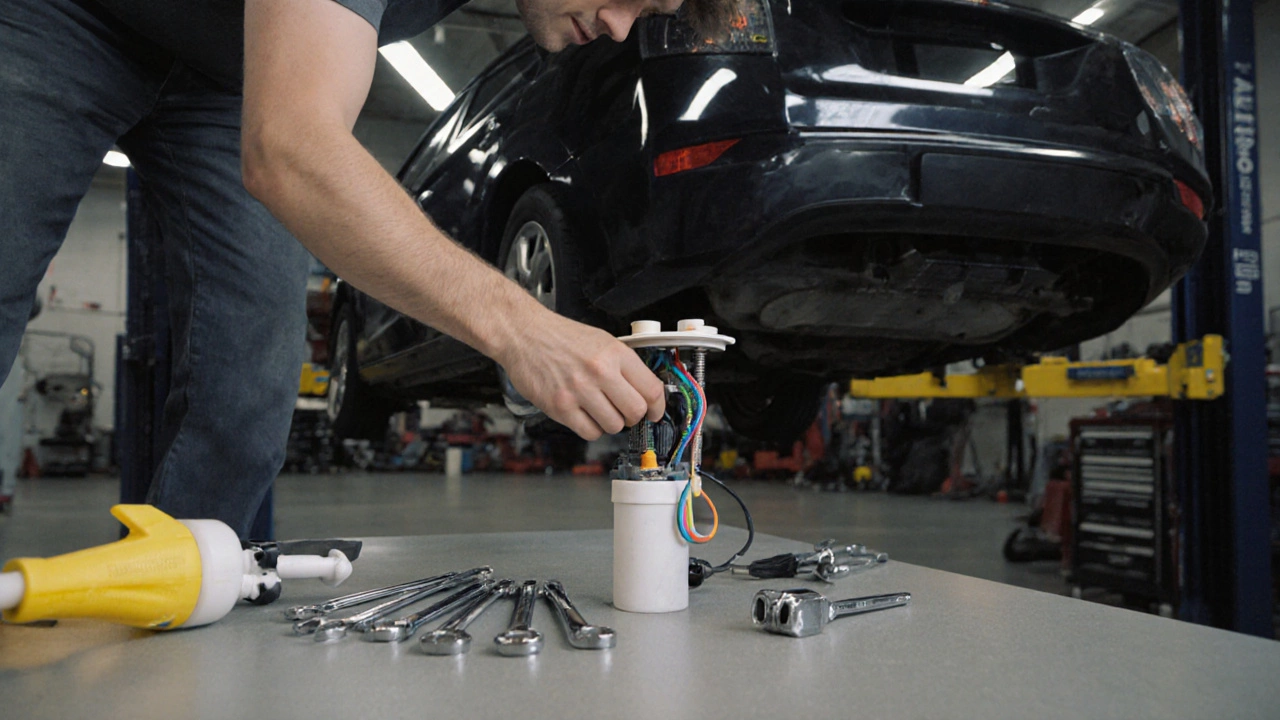
How Many Hours Does It Take to Replace a Fuel Pump? Real-Time Estimates for DIY and Mechanics
Oct 30 2025 / Fuel PumpsReplacing a fuel pump usually takes 2 to 5 hours, depending on your car model and experience. Learn what affects the time, which vehicles are easiest or hardest, and how to avoid costly mistakes.
VIEW MORE