HVAC Maintenance for Cars: Keep Your Ride Comfortable
When dealing with HVAC maintenance, the routine care of a vehicle’s heating, ventilation, and air‑conditioning system. Also known as vehicle AC service, it ensures the cabin stays cool in summer, warm in winter, and the air stays clean all year.
One of the first things to check is the cabin air filter, a replaceable element that traps dust, pollen, and other pollutants before they enter the interior. The filter’s performance is often rated by its MERV rating, a scale that measures how effectively a filter captures particles of different sizes. Higher MERV values mean cleaner air but may require more power from the blower.
Keeping the cabin air filter clean is a core part of HVAC maintenance because a clogged filter reduces airflow, forces the system to work harder, and can cause the AC compressor to overheat. If you notice weaker fan speed or a musty smell, replace the filter before the problem spreads. The right MERV rating balances filtration and airflow, so choose a rating that matches your climate and driving conditions.
How Other Car Systems Influence HVAC Performance
The HVAC system doesn’t operate in isolation. The radiator, which cools engine coolant, also affects how quickly the AC can chill the cabin. When the radiator is low on coolant or has a blockage, the engine runs hotter, and the AC compressor may struggle to reach optimal temperatures. Regular radiator checks—looking for leaks, ensuring proper coolant levels, and flushing the system—are therefore part of comprehensive HVAC maintenance.
Another key component is the AC compressor itself. It compresses refrigerant, allowing heat exchange in the condenser and evaporator. A failing compressor can produce whistling noises, reduced cooling, or even a complete loss of AC function. Early signs include a hard‑start when you first turn on the AC and a noticeable drop in refrigerant pressure. If you catch these symptoms early, a simple recharge or seal repair can save you from a costly compressor replacement.
Don’t forget the blower motor and its associated wiring. Since the HVAC system relies on electrical power to circulate air, a weak or failing blower can mimic a filter issue. Checking the motor’s resistance, listening for unusual sounds, and ensuring the wiring harness is free of corrosion are practical steps you can take during routine maintenance.
Finally, the climate control module—whether it’s a manual knob set or a digital console—relies on sensors to gauge cabin temperature. Faulty temperature sensors can cause the system to run continuously or never engage. Recalibrating or replacing these sensors as part of a maintenance schedule helps maintain precise temperature control and prevents unnecessary wear on other components.
By tackling these interconnected parts—cabin air filter, MERV rating, radiator health, compressor condition, blower motor, and sensors—you create a holistic approach to HVAC maintenance. This strategy not only extends the life of your climate system but also improves fuel efficiency, as the engine doesn’t have to work overtime to compensate for a struggling AC.
Below you’ll find a collection of articles that walk through each of these topics in detail, from filter replacement tips to diagnosing a bad compressor. Whether you’re a DIY enthusiast or just want to know what to ask your mechanic, the guides will give you clear, actionable steps to keep your car’s HVAC system in top shape.
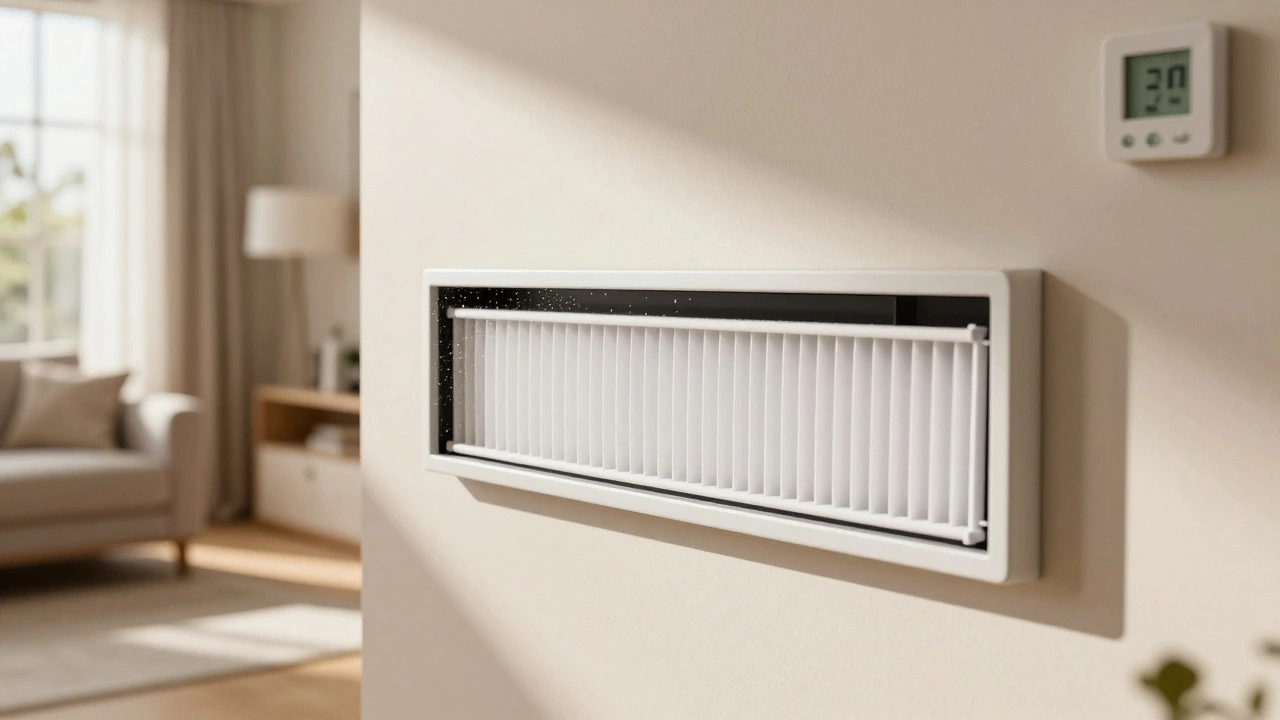
How Many Filters Does an AC Unit Have? A Complete Guide
Jun 22 2026 / Air FiltersDiscover how many filters your AC unit actually has. Most central systems use one primary filter, while mini-splits have two washable meshes. Learn where to find them, why adding extra filters hurts efficiency, and how to maintain optimal airflow.
VIEW MORE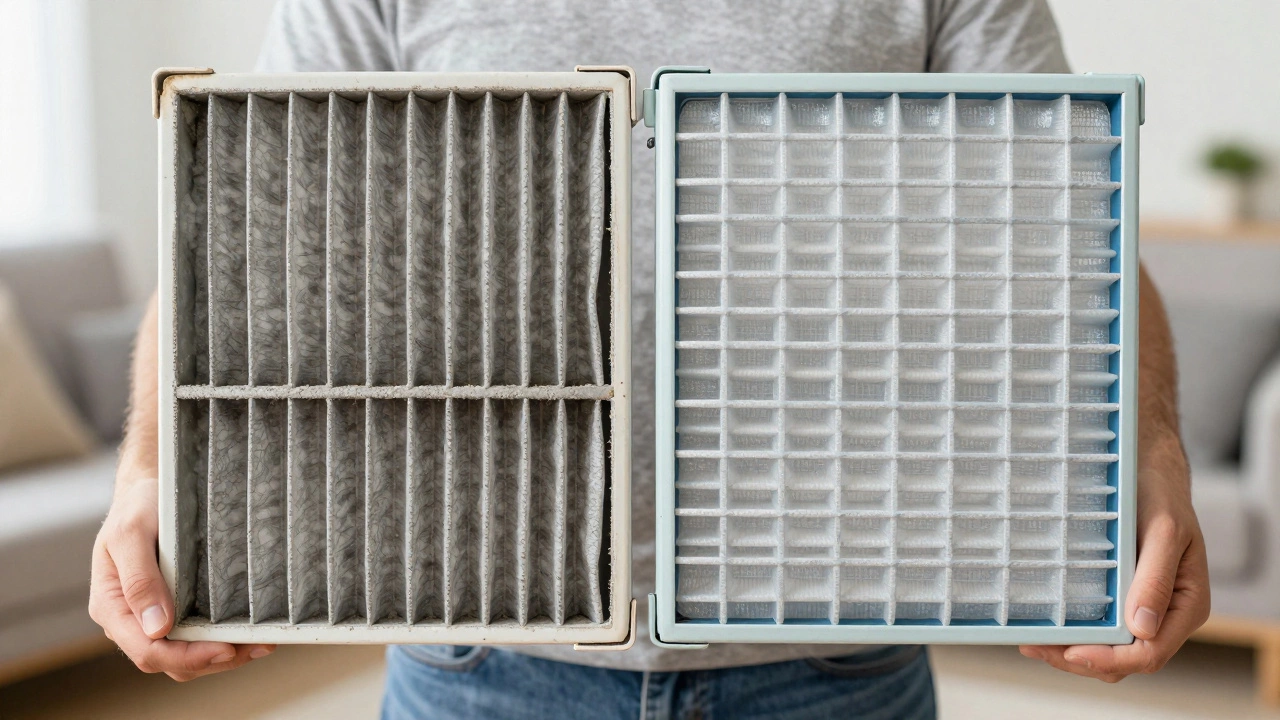
Can I Clean My AC Filter Instead of Replacing It? The Honest Truth
Jun 15 2026 / Air FiltersDiscover if you can clean your AC filter or if it's time to replace it. Learn the differences between washable and disposable filters, proper cleaning steps, and how to avoid costly HVAC damage.
VIEW MORE
What Happens If You Don't Change Air Filters? Hidden Dangers for Home Air Quality
Jul 6 2025 / OtherSkipping air filter changes hurts air quality and HVAC performance—raising bills, health risks, and cleaning chores. Here’s what you actually face.
VIEW MORE