Lightweight Wheels: What They Do, Who Needs Them, and What Really Matters
When you hear lightweight wheels, rims designed to reduce unsprung mass for better vehicle dynamics. Also known as performance wheels, they’re not just about looks—they directly affect how your car accelerates, brakes, and corners. Most factory wheels are built for cost and durability, not speed. They’re heavy, often made from stamped steel or thick cast aluminum, and they add inertia that fights every change in motion. Swap them out for lighter ones, and suddenly your car feels more alive—less sluggish, more responsive, like it’s finally listening to your inputs.
The real benefit isn’t just in straight-line speed. It’s in car handling, how a vehicle responds to steering, braking, and road irregularities. Lighter wheels mean less mass for your suspension to control. That translates to better tire contact with the road, especially over bumps or during quick direction changes. Your brakes work harder to stop heavy wheels—lighter ones reduce stopping distance and heat buildup. And because there’s less rotating weight, your engine doesn’t have to work as hard to get the car moving, which can nudge your fuel economy up a few percent.
Not everyone needs them. If you commute on rough roads, tow trailers, or just want a car that lasts 200,000 miles without fuss, sticking with stock wheels makes sense. But if you care about how your car feels on a twisty backroad, or you’re tuning it for track days, lightweight wheels are one of the most effective upgrades you can make. They’re not magic—they won’t turn a sedan into a sports car—but they do unlock what your engine and suspension were already capable of.
What’s often overlooked is how wheel weight interacts with other parts. A lighter wheel paired with a cheap tire might not help much. Same goes for upgrading wheels but keeping old suspension components. The system works together. And while forged aluminum wheels are the gold standard for weight savings, there are now high-quality cast and flow-formed options that deliver 80% of the benefit at half the price.
Down the road, you’ll find posts that break down real-world differences—like how much faster a car accelerates with 5-pound lighter wheels per corner, or why some drivers swear by 17-inch wheels over 18-inch ones for daily driving. You’ll see what happens when you swap steel for aluminum, how wheel size affects ride quality, and why some upgrades are worth the cash while others are just flashy noise.
What you won’t find here are marketing claims about "race-proven" designs or vague promises of "unmatched performance." Just clear, practical info based on what actually changes when you put lighter wheels on your car—and who should care.
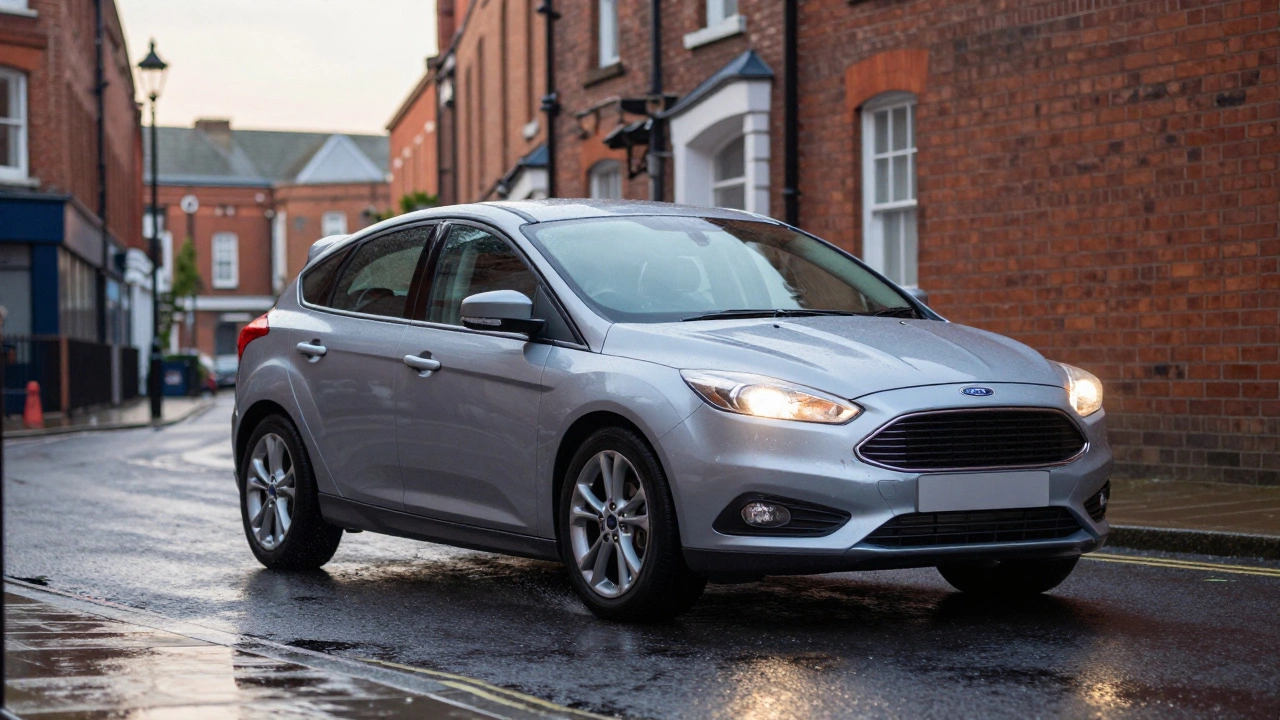
What Are the Benefits of Alloy Wheels? Real Advantages You Can Feel
Dec 1 2025 / WheelsAlloy wheels offer real benefits like better handling, improved fuel efficiency, and enhanced braking performance. They're lighter, look better, and can even extend tire life. Find out why they're worth the upgrade.
VIEW MORE