Low Engine Oil: Signs, Risks, and What to Do Now
When your low engine oil, a critical condition where the engine doesn’t have enough lubricant to function safely. Also known as insufficient oil level, it’s one of the most preventable causes of engine failure. It’s not just about topping up — it’s about catching it before your engine starts grinding inside. A car can run for a few miles with low oil, but that’s like driving with a flat tire: you might make it to the next exit, but what’s left behind will cost you thousands.
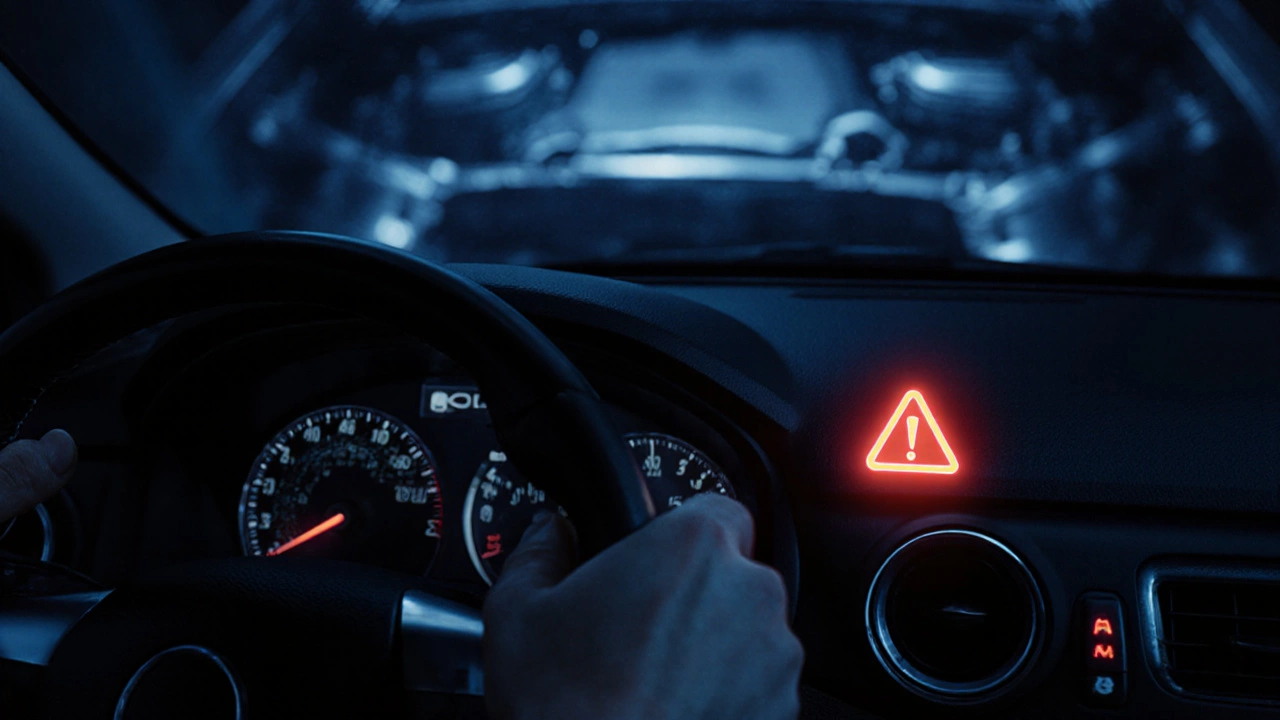
Most drivers don’t realize oil consumption, the natural process where engines burn or leak small amounts of oil over time is normal — up to a quart every 2,000 miles in older cars. But if you’re adding oil every 500 miles, something’s wrong. A worn piston ring, a cracked valve seal, or a leaking gasket can turn a small issue into a blown engine. And if you ignore the oil warning light, a dashboard alert that appears when oil pressure drops below safe levels, you’re gambling with your entire powertrain. That light doesn’t come on because you’re due for a change — it comes on because your engine is already in danger.
Low engine oil doesn’t just hurt performance — it destroys components. Without enough lubrication, metal parts like bearings, camshafts, and pistons start scraping against each other. The heat builds up fast. Sludge forms. Then, the engine seizes. You won’t hear it coming until it’s too late. Some people think adding oil fixes everything, but if the oil level keeps dropping, you’re just buying time. You need to find the leak or the burn. Check under the car for puddles. Look at the tailpipe for blue smoke. Smell the oil when you pop the hood — burnt oil smells like a frying pan left on too long.
And it’s not just cars. Boats with marine engines run on the same rules. Saltwater, vibration, and constant load make marine engines even more sensitive to oil levels. A low oil warning on a boat? That’s not a reminder — it’s a distress signal. If you’re out on the water and the light comes on, shut it down. Now. No second chances.
What you’ll find below are real, practical guides from people who’ve been there. How to check your oil the right way. What a dipstick reading really means. Why your car might be eating oil without leaking a drop. How to tell if your oil pressure sensor is lying to you. And what to do when you’ve waited too long and the damage is already done. These aren’t theory pieces. These are the stories, fixes, and warnings from drivers and boat owners who learned the hard way — and want to save you the cost.
How Does a Car Act When Low on Oil? Signs, Risks, and What to Do
Nov 17 2025 / Engine OilWhen your car is low on oil, it makes noise, overheats, loses power, and risks total engine failure. Learn the warning signs, what happens if you keep driving, and how to prevent costly damage before it's too late.
VIEW MORE