Oil Change: The Essential Guide for Every Driver
When you hear the term oil change, a routine maintenance task that removes used engine oil and replaces it with fresh oil and a new filter. Also known as lube swap, it is the lifeline that keeps the engine running smooth and prevents costly wear. Two key companions of an oil change are engine oil, the lubricating fluid that coats pistons, bearings, and camshafts and oil filter, a cartridge that catches debris before it circulates. The right oil viscosity, a measure of how thick or thin the oil flows at different temperatures determines how well those parts stay protected in summer heat or winter chill. Understanding these three elements lets you plan a successful oil change that extends engine life and saves money. In short, the oil change process encompasses draining old fluid, swapping the filter, and refilling with oil that matches the vehicle’s specifications.
Why the Right Parts and Timing Matter
An oil change requires fresh engine oil and a clean filter – that’s a basic semantic triple: oil change → requires → engine oil & oil filter. But it also influences engine wear, because the oil’s viscosity decides how quickly heat moves away from hot spots. For example, a 5W‑30 grade flows easily when you start the car cold, then thickens to protect at operating temperature. If you pick a grade that’s too thin for hot climates, the oil can break down faster, leading to sludge buildup. Conversely, too thick oil in winter makes the engine hard to turn over. Another triple: proper oil viscosity → impacts → engine efficiency. Most drivers wonder how often they should perform this task. The rule of thumb used by many UK workshops is every 8,000–12,000 miles for synthetic blends, but older cars with conventional oil may need a change every 5,000 miles. Signs you’re overdue include dark, gritty oil on the dipstick, engine noise, or a flashing oil pressure light. Keeping a simple log in your phone or service book helps you stay on schedule. When you combine regular timing with the correct oil grade and filter, you create a maintenance loop that reduces friction, improves fuel economy, and keeps emissions low. If you’re comfortable working under the car, a DIY oil change can be done with a few tools – a socket set, a drain pan, and a torque wrench for the drain plug. The steps are straightforward: warm the engine briefly, lift the car safely, remove the old drain plug, let the oil drain, replace the filter, reinstall the plug to the manufacturer’s torque spec, and fill with the right amount of oil. Remember to double‑check the oil level after a short run‑about. Even if you prefer a professional, knowing the process helps you ask the right questions and avoid over‑paying for unnecessary services. This blend of knowledge and practical tips equips you to make informed choices every time you schedule an oil change. Now that you understand the core pieces – engine oil, oil filter, oil viscosity – and why timing matters, you’re ready to see the detailed articles below. They dive deeper into choosing the right oil grade for different climates, spotting early wear signs, and step‑by‑step DIY guides that make the whole process painless. Browse on to sharpen your maintenance game and keep your engine humming for miles to come.
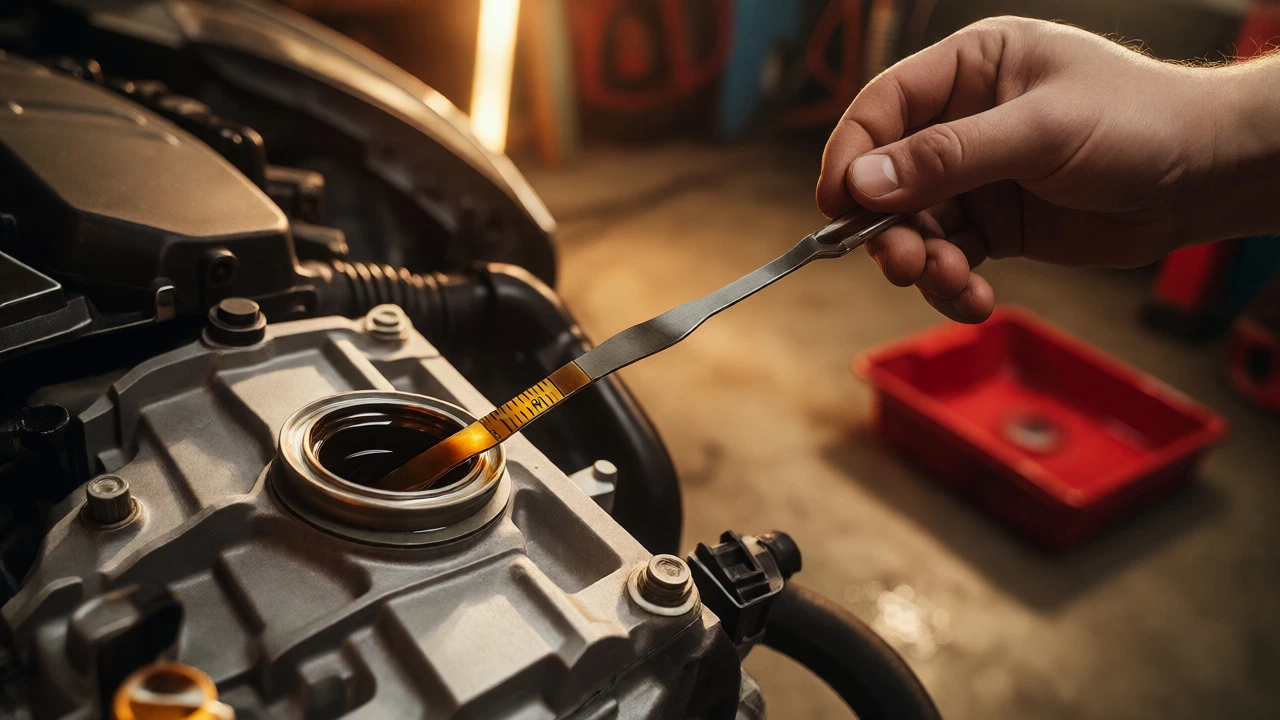
Is Slightly Overfilling Engine Oil Bad? Risks & Fixes
Oct 22 2026 / Engine OilAccidentally overfilled your engine oil? Learn when it's safe to drive, the risks of aeration and leaks, and how to fix it easily without draining the whole sump.
VIEW MORE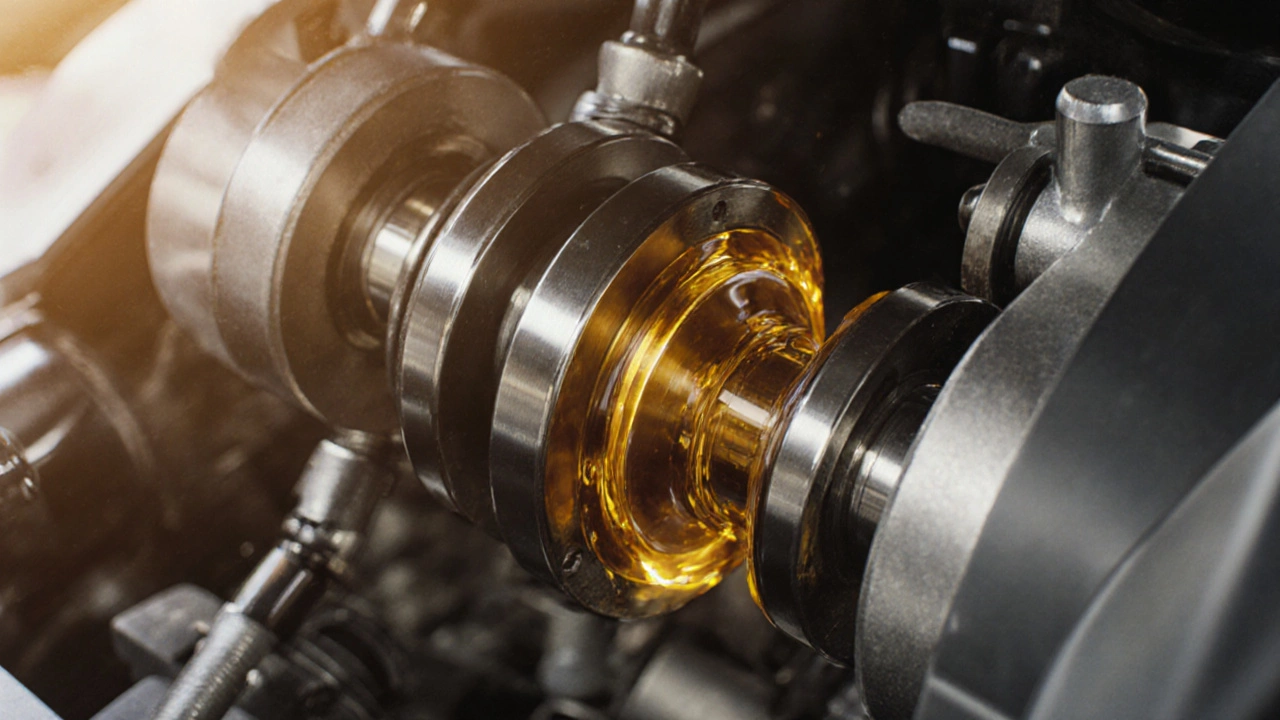
Skipping Engine Oil Changes: Risks, Damage & Costs Explained
Oct 8 2025 / Engine OilSkipping oil changes can cause sludge, bearing wear, overheating, and costly repairs. Learn the short‑term signs, long‑term damage and how to prevent them.
VIEW MORE
Can You Just Add Oil to Your Car? The Simple Truth About Engine Oil Top-Ups
Jun 16 2025 / Engine OilEver looked at that oil warning light and thought, 'Can I just add oil to my car?' This article breaks down what really happens when you top up your oil, when it’s okay, and when you actually need a full oil change. You’ll get inside tips on checking your oil level, how much to add, and what could happen if you ignore your car’s oil needs. Expect handy facts and real-life advice so you’ll never guess about car oil again. Keep your engine happy without any fuss.
VIEW MORE
What Happens if You Don't Change the Oil Regularly?
Mar 10 2025 / AutomotiveEver wondered what really happens if you skip an oil change? Ignoring this crucial car maintenance task can lead to severe engine damage, costing you a lot more in repairs than routine maintenance would. Learn why timely oil changes are vital for your engine’s health and longevity, and discover tips to keep it running smoothly. Don't let a small oversight turn into a major problem; understand the significance of maintaining clean and efficient oil in your vehicle.
VIEW MORE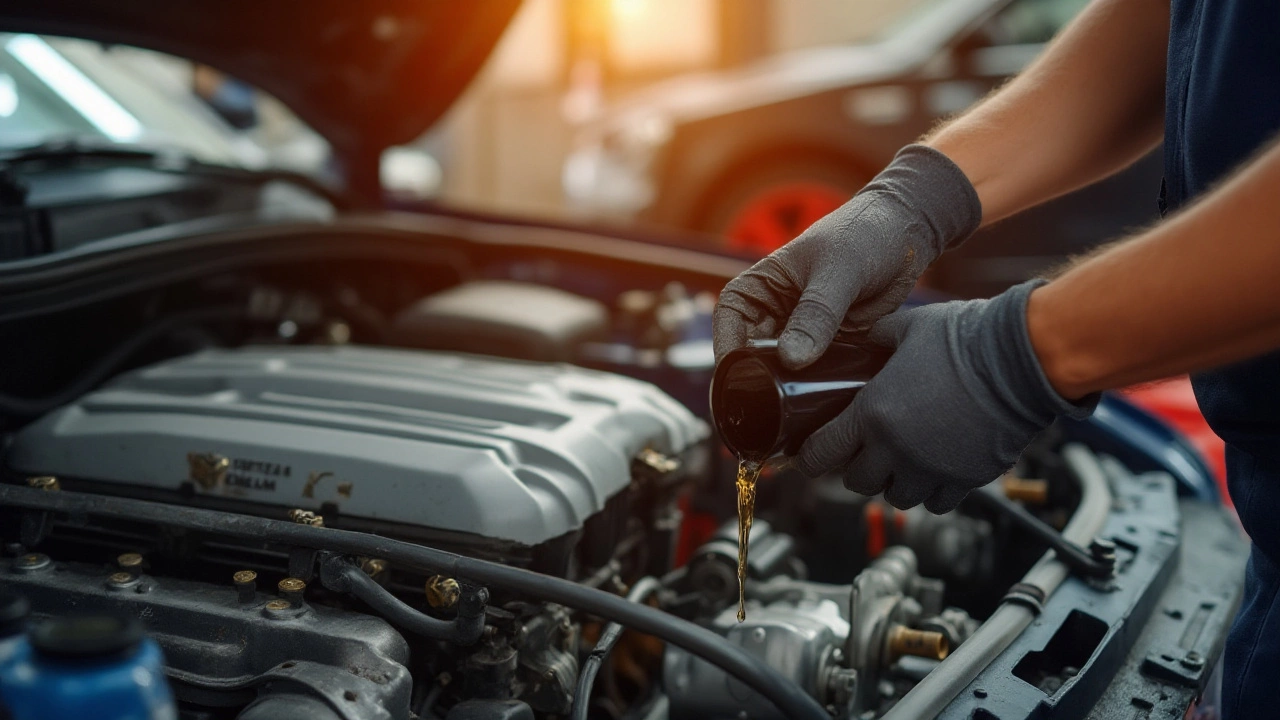
What You Risk by Skipping Your Oil Change: Engine Health and Maintenance Tips
Jan 15 2025 / Car MaintenanceNeglecting an oil change can have a serious impact on your vehicle's engine health and performance. Routine oil changes help maintain engine lubrication, regulate temperature, and prevent the buildup of harmful particles. Drivers who delay this essential maintenance risk diminished fuel efficiency, increased engine wear, and potential engine failure. Understanding the importance of timely oil changes can save money and prolong the life of a vehicle. This article explores the chain reaction of missing an oil change and provides tips for proper vehicle care.
VIEW MORE