Oil Consumption: What It Means for Your Car
When dealing with oil consumption, the rate at which an engine uses or loses oil during operation. Also known as oil burn, it can signal anything from normal wear to serious engine trouble.
One of the first things to check is the engine oil, the lubricant that reduces friction between moving parts inside the engine. Good engine oil forms a protective film, carries heat away, and helps seal gaps. When oil breaks down, its ability to protect drops, and the engine may start to consume more.
Regular oil changes, the process of draining old oil and refilling with fresh oil, act like a health check for the whole lubrication system. Skipping oil changes accelerates oil degradation, leading to higher consumption and, eventually, costly repairs.
Key Factors That Influence Oil Consumption
The oil level, the amount of oil present in the engine sump as shown by the dipstick, is the most visible indicator. Low readings after a short drive often mean the engine is burning oil faster than normal.
Another hidden driver is oil quality, the condition of the oil based on its viscosity, contamination and additive health. Poor quality oil can thin out under heat, slip through seals, and be expelled via the exhaust.
Engine design also matters. Older engines with worn piston rings or valve stem seals tend to let more oil escape into the combustion chamber. Modern cars with tighter tolerances usually keep consumption low, but a single faulty gasket can throw the numbers off.
Driving habits create a semantic link: high‑speed or high‑rev driving increases internal temperatures, which in turn speeds up oil breakdown and raises consumption. Short trips that don’t let the oil reach operating temperature can also leave moisture in the oil, fostering wear.
Fuel type plays a role too. Diesel engines often run hotter and may show higher oil use, while gasoline engines with direct injection can see oil thinning if the fuel mixes poor.
When you notice a sudden jump in oil consumption, the first step is a visual inspection. Look for blue smoke from the exhaust, oily residue on spark plugs, or oil spots under the vehicle. These symptoms are direct clues about where the oil is going.
Fixing the problem usually starts with the basics: top up to the correct level, switch to the manufacturer‑recommended oil grade, and schedule an oil change if it’s overdue. If consumption stays high, a deeper diagnosis—checking piston rings, valve seals, or PCV system—may be needed.Below you’ll find a range of articles that dive deeper into each of these areas, from spotting early signs to detailed repair guides. Use them to pinpoint the exact cause of your oil consumption and get your engine running smoother again.
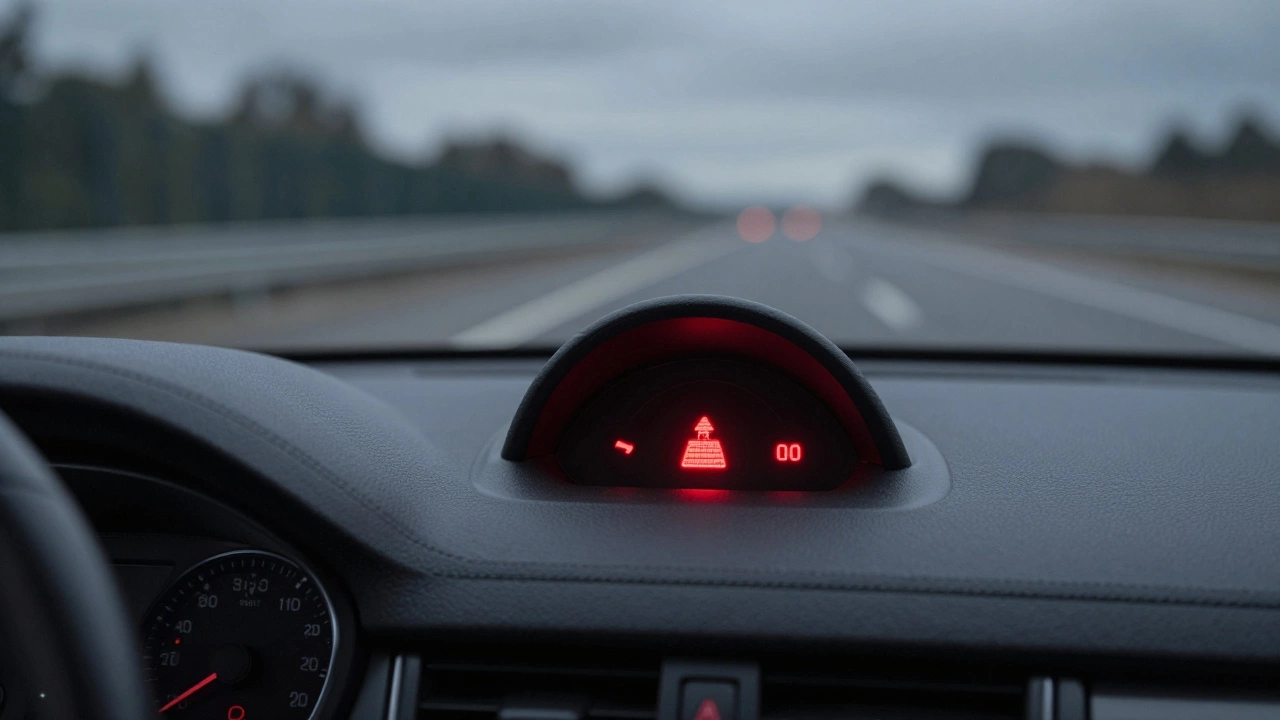
Low Engine Oil Symptoms: How to Spot and Fix Oil Loss
Apr 16 2026 / Engine OilLearn how to identify symptoms of low engine oil, from warning lights to engine knocking, and find out how to prevent catastrophic engine failure.
VIEW MORE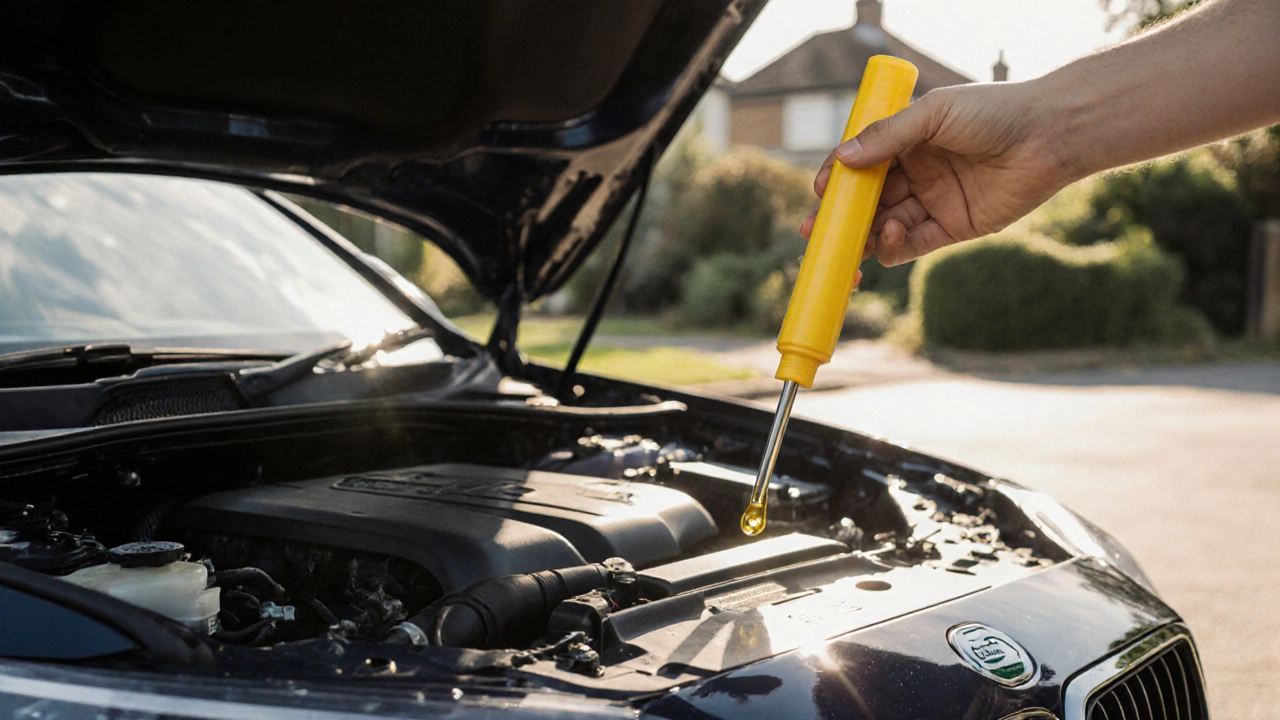
Engine Oil Top‑Up Frequency: When and How Often
Oct 16 2025 / Engine OilLearn how often to top up engine oil, factors that affect consumption, step‑by‑step topping up, and a maintenance checklist to keep your car healthy.
VIEW MORE