Engine Oil Symptom Checker
Select the symptoms you are experiencing to get a potential diagnosis and risk assessment.
Visual & Audible Signs
Dashboard & Performance
Analysis Results
Главное: Что нужно знать
- Engine knocking: A loud metallic tapping sound is a sign of critical lubrication failure.
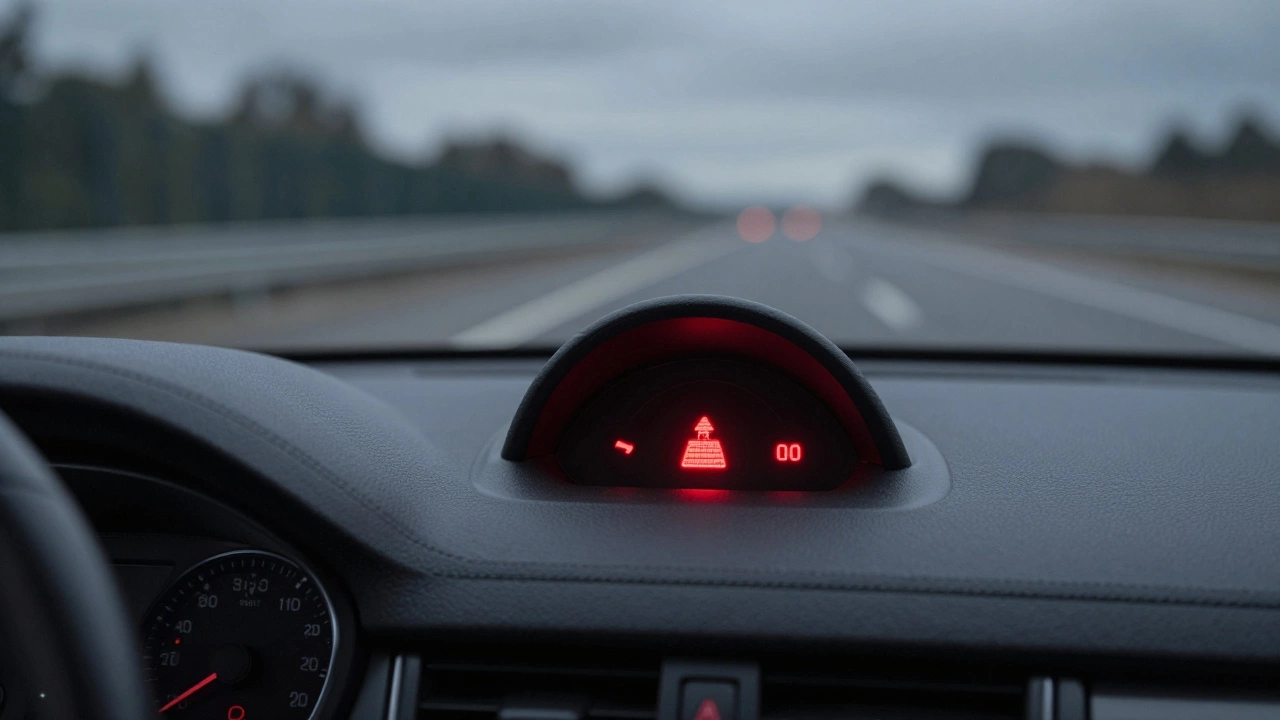
- Oil pressure light: If this glows red, stop the car immediately.
- Overheating: Less oil means more friction, which generates intense heat.
- Burning smell: Oil leaks can drip onto hot exhaust pipes, creating acrid smoke.
- Performance drop: Your car may feel sluggish or struggle to maintain speed.
The Warning Signs You Can't Ignore
Your car usually gives you several hints before a total engine failure occurs. The most obvious one is the oil pressure warning light. This isn't like a "low fuel" light that tells you that you have 50 miles left; it's a signal that the lubrication system is no longer maintaining enough pressure to push oil to the top of the engine. If this light flickers or stays on, your engine is essentially running dry in certain areas.
Then there is the sound. You'll hear what mechanics call "engine knocking" or "tapping." This happens because the Valvetrain-which includes the lifters and camshafts-isn't getting a thin film of oil to cushion the metal-on-metal contact. Instead of a smooth hum, you get a rhythmic ticking sound that gets faster as you accelerate. If you hear this, you're not just low on oil; you're likely causing permanent wear to the Crankshaft and bearings.
Have you noticed your car running hotter than usual? Engine oil is a liquid lubricant designed to reduce friction and carry heat away from the combustion chamber. When the level drops, the remaining oil has to work twice as hard. It can't absorb heat effectively, leading to a spike in temperature. This often manifests as the temperature gauge creeping toward the red zone, even if your coolant levels are perfectly fine.
Why Your Car is Eating Oil
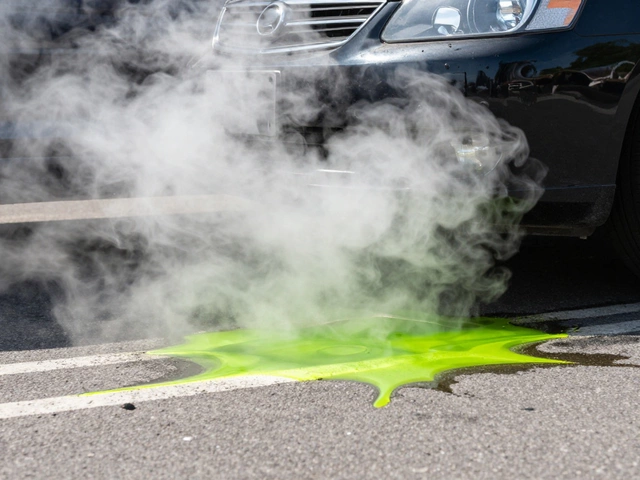
It's rare for oil to just "disappear." Usually, it's either leaking out or being burned inside the engine. If you see dark brown puddles on your driveway, you've got a leak. Common culprits include a perished Valve Cover Gasket or a leaking Oil Pan. These seals dry out over time and let oil seep out slowly.
On the other hand, some cars "burn" oil. This happens when oil slips past the Piston Rings and enters the combustion chamber. You'll know this is happening if you see bluish-gray smoke coming from the tailpipe, especially during a cold start. While some high-performance engines are designed to consume a small amount of oil, a sudden increase usually means your rings are worn out or your PCV Valve (Positive Crankcase Ventilation) is clogged, causing pressure to build up and push oil into the intake.
| Cause | Primary Symptom | Risk Level | Typical Fix |
|---|---|---|---|
| Leaking Gasket | Oil spots on driveway | Medium | Replace Gasket |
| Worn Piston Rings | Blue exhaust smoke | High | Engine Overhaul |
| Clogged PCV Valve | Oil leaks from seals | Low/Medium | Replace PCV Valve |
| Oil Burn-off | Rapid dipstick drop | Medium | Change Oil Viscosity |
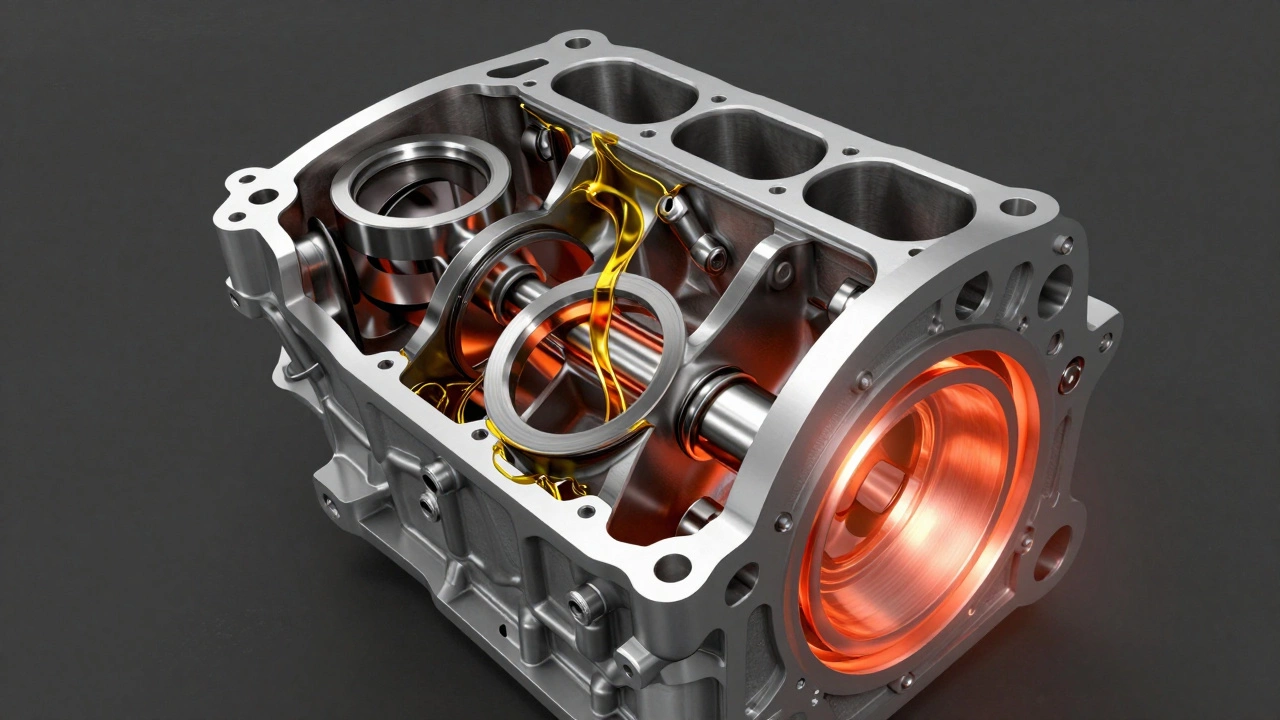
The Danger of Ignoring the Dipstick
Some people rely solely on the dashboard lights, but by the time the light comes on, the damage might already be done. The Dipstick is your only honest window into the engine's health. If the oil level is below the "Min" mark, your Oil Pump might start sucking in air instead of oil. This creates air bubbles in the lubrication line, which is like trying to breathe through a straw filled with water-you just can't get enough of what you need.
When the pump fails to deliver oil, the friction between the Connecting Rods and the crankshaft becomes extreme. Within seconds, the metal can weld itself together due to the heat, causing the engine to "seize." A seized engine is usually a total loss, meaning you'll need a full engine replacement rather than a simple top-off.
How to Properly Check and Top Up Your Oil
Checking your oil isn't rocket science, but doing it wrong can give you a false reading. Always park on a level surface. If you've just turned off the car, wait about five to ten minutes. This allows the oil to drain back down into the pan so you get an accurate measurement.
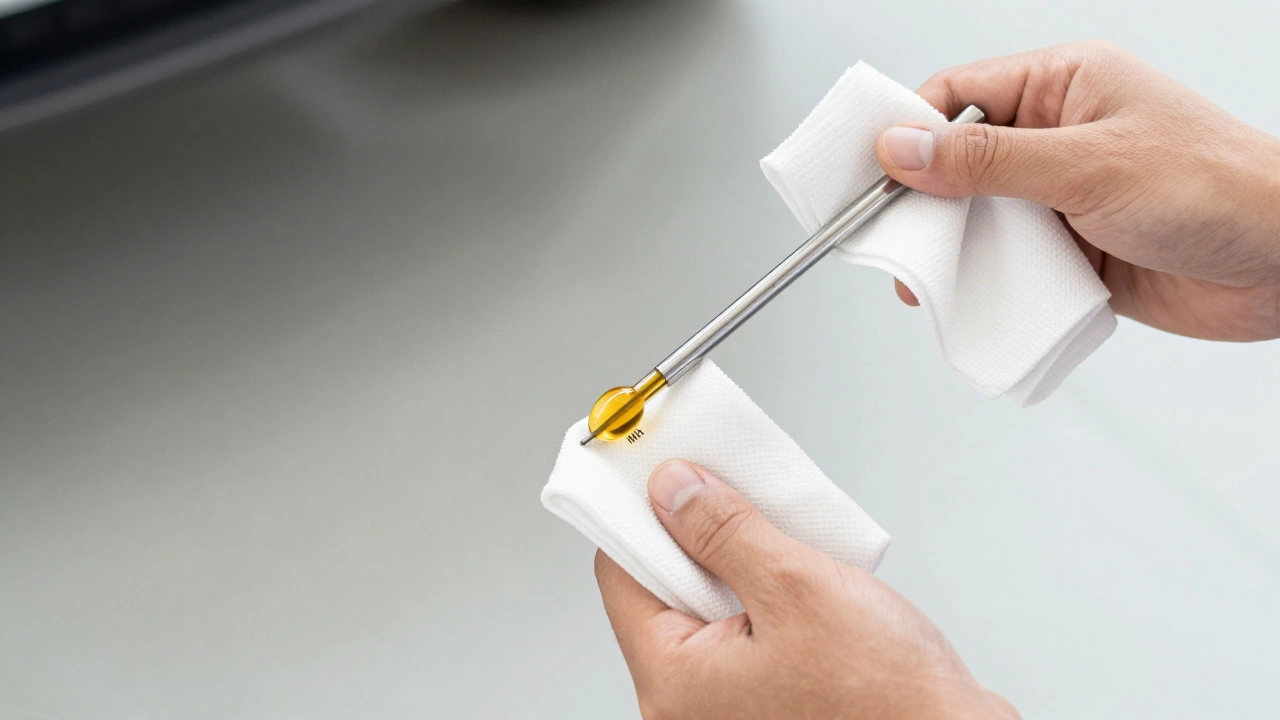
- Pull out the dipstick and wipe it clean with a lint-free rag.
- Insert the dipstick fully back into the tube.
- Pull it out again and look at the oil level. It should be between the two notches or dots.
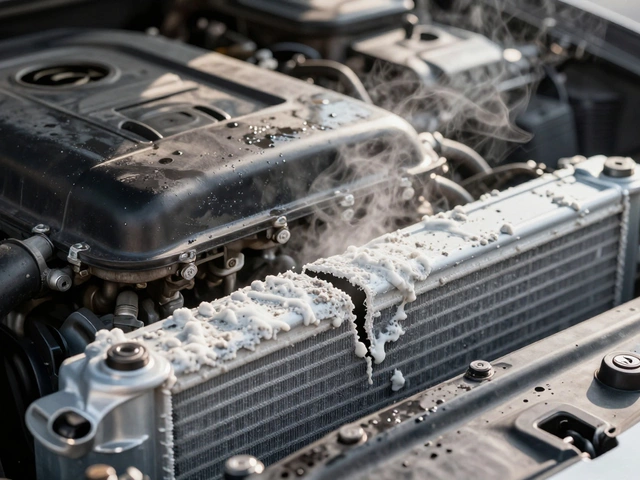
- Check the color. Honey-gold is great; black is okay (but needs changing); milky brown suggests coolant is leaking into the oil (a sign of a blown head gasket).
If you need to add oil, don't just pour it in. Add a small amount-about half a quart-and wait a few minutes before checking the dipstick again. Overfilling your engine is almost as bad as underfilling it. Too much oil can cause the crankshaft to whip the oil into a foam, which doesn't lubricate nearly as well as liquid oil and can lead to blown seals due to excessive internal pressure.
Preventing Oil Problems Long-Term
The best way to avoid the stress of a low-oil warning is a consistent schedule. Don't just follow the manual's "every 10,000 miles" rule if you do a lot of city driving, towing, or live in a very hot climate. These are considered "severe conditions" and usually require oil changes every 5,000 miles.
Switching to a high-quality Synthetic Oil can also help. Unlike conventional oil, synthetic options are engineered to resist breaking down under high heat and provide a more consistent seal around the piston rings, which can reduce oil consumption in older engines. Also, keep an eye on your Oil Filter. A clogged filter can restrict flow, meaning even if you have enough oil, it isn't getting to the parts that need it.
Can I drive my car if the oil light is on?
No. You should pull over as soon as it is safe to do so. An oil pressure light indicates that the engine is not being lubricated. Driving even a few miles in this condition can cause permanent metal wear or lead to total engine seizure, turning a cheap oil top-off into a multi-thousand dollar engine replacement.
Why is my oil low but there are no leaks on the ground?
If you don't see puddles, your car is likely "burning" oil. This happens when oil leaks past the piston rings or valve seals and is burned during combustion. Look for bluish smoke coming from the exhaust. It could also be a faulty PCV valve that is allowing oil to be sucked into the intake manifold and burned.
How much oil should I add if the dipstick is dry?
Avoid dumping a full quart in all at once. Add about 0.5 quarts, wait a few minutes for it to settle, and check the dipstick again. Overfilling can cause oil aeration (foaming) and put undue pressure on your gaskets, which can lead to new leaks.
Does using a thicker oil stop the oil loss?
Sometimes. Using a higher viscosity oil (like switching from 5W-30 to 10W-40) can slow down oil consumption in old engines with worn rings because the thicker oil is harder to push past the seals. However, this is a "band-aid" fix; it doesn't repair the underlying mechanical wear and can make cold starts harder.
What does a milky color on the dipstick mean?
If your oil looks like a chocolate milkshake or latte, it's a sign that coolant has mixed with the oil. This is usually caused by a blown head gasket or a cracked engine block. This is a critical failure; do not drive the car, as the oil loses its lubricating properties and will destroy the engine very quickly.
Next Steps for Car Owners
If you've discovered your oil is low, your first priority is to top it off with the correct grade of oil specified in your owner's manual. Once the level is restored, start a "consumption log." Mark the level on your dipstick and check it every 100 miles for a few weeks. This will tell you exactly how much oil you're losing.
If you're losing more than a quart every 1,000 miles, it's time to visit a mechanic for a dye test. They will add a fluorescent dye to your oil, run the engine, and use a UV light to find the exact source of the leak. Catching a small leak early is the difference between a $50 gasket replacement and a $5,000 engine rebuild.