Oil Viscosity: What It Means for Your Car and Marine Engine
When you see numbers like 5W-30 or 10W-40 on a bottle of engine oil, you’re looking at oil viscosity, a measure of how thick or thin the oil flows at different temperatures. Also known as oil weight, it determines how well the oil protects engine parts under heat, cold, and heavy load. This isn’t just a label—it’s the difference between your engine lasting 200,000 miles or failing at 80,000.
Engine oil, the lifeblood of your car or boat’s internal combustion system, needs to flow fast enough to reach bearings and pistons when it’s cold, but stay thick enough to form a protective film when the engine hits 200°F. If the oil is too thin, metal parts grind together. If it’s too thick, the engine struggles to turn over in winter and wastes fuel. Marine engines face even tougher conditions—salt air, constant vibration, and longer idle times—so the right motor oil, formulated for marine environments isn’t optional. It’s survival.
The numbers on the bottle tell a story. The first number before the W (like 5W) shows how well it flows in cold weather—the lower, the better for winter starts. The second number (like 30) shows thickness at operating temperature. A 5W-30 is thinner when cold than a 10W-40, but both can be the same thickness once hot. That’s why matching your vehicle’s manufacturer recommendation matters. Using 20W-50 in a modern car designed for 0W-20 won’t give you more protection—it’ll cause sludge, poor fuel economy, and overheating. And don’t assume marine oil is just "stronger"—it’s designed for different stress patterns, like constant moisture exposure and lower RPMs.
Low oil levels, old oil, or wrong viscosity all lead to the same problem: oil starvation. That’s when parts like camshafts, lifters, or connecting rods don’t get enough lubrication. You’ll hear ticking, lose power, or worse—see smoke from the exhaust. Many people think adding thicker oil fixes engine noise, but that’s a band-aid. The real fix is using the right viscosity from the start and changing it on time.
Whether you’re driving a pickup truck across the UK or running a boat engine in coastal waters, oil viscosity is the silent guardian of your engine. It doesn’t add horsepower, but it lets your engine use every bit of power it’s got without tearing itself apart. The posts below cover what happens when you ignore it, how to check your oil level properly, why some engines burn oil faster, and how to choose between synthetic and conventional oils based on your real-world use—not marketing claims.
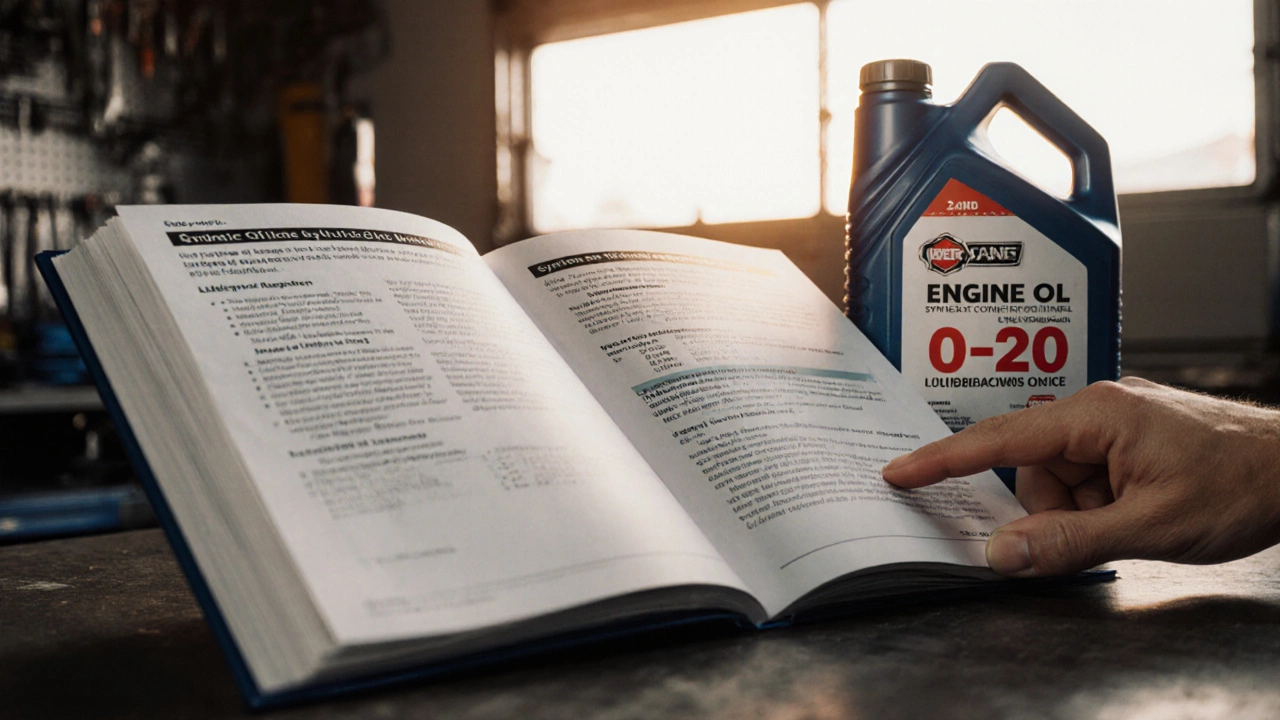
What Type of Engine Oil Should I Put in My Car?
Nov 18 2025 / Engine OilLearn exactly what type of engine oil your car needs based on viscosity, synthetic vs conventional, API ratings, and manufacturer specs. Avoid costly mistakes with clear, practical guidance.
VIEW MORE