Paper Air Filter: What It Is, How It Works, and When to Use It
When you think about your engine’s health, you probably don’t picture a simple paper air filter, a disposable filter made from pleated paper that traps dirt and debris before they enter your engine. Also known as dry air filter, it’s one of the most common and affordable parts in your car’s intake system. Unlike reusable foam or cotton gauze filters, the paper air filter is designed to be swapped out, not cleaned. It’s not flashy, but it’s reliable—and for most drivers, it’s the best choice.
Here’s the thing: your engine needs clean air to burn fuel efficiently. A clogged or dirty paper air filter, a disposable filter made from pleated paper that traps dirt and debris before they enter your engine. Also known as dry air filter, it’s one of the most common and affordable parts in your car’s intake system. forces your engine to work harder, which drops fuel economy and can even trigger the check engine light. That’s why knowing the signs of a failing filter—like rough idling, sluggish acceleration, or a noticeable drop in MPG—is more important than sticking to a fixed replacement schedule. Many people wait too long, thinking their filter lasts forever. But dirt doesn’t care about mileage markers; it clogs the pores and kills performance.
While some drivers upgrade to performance filters for better airflow, those gains are often tiny on stock engines and come with trade-offs. Paper filters are engineered for balance: enough airflow, maximum particle capture, and low cost. They’re the standard because they work. If you drive in dusty areas, near construction, or on gravel roads, you might need to check yours every 12,000 miles. For city driving? Every 15,000 to 30,000 miles is typical. But don’t guess—look inside. A filter caked in dust isn’t just dirty; it’s restricting air like a clogged straw.
And here’s something most people miss: your air filter, a component that prevents contaminants from entering the engine’s combustion chamber. Also known as engine air filter, it’s a critical part of your vehicle’s intake system. doesn’t just protect the engine—it affects everything downstream. A dirty filter can lead to carbon buildup on spark plugs, which then causes misfires. That’s why you’ll often see bad spark plug symptoms listed alongside dirty air filter symptoms. They’re connected. Fix one, and you might fix the other.
You won’t find paper air filters in high-end marine engines or racing setups, but that’s not because they’re bad—they’re just not built for extreme conditions. For everyday cars and light-duty boats, they’re perfect. They’re cheap, easy to replace, and widely available at every auto parts store. You don’t need a special tool. Just open the box, pull out the old one, slide in the new one. Done.
Below, you’ll find real-world guides on how to spot a failing air filter, when to replace it, and how it ties into bigger issues like fuel economy and engine wear. No fluff. No marketing. Just what actually matters when your car’s breathing gets rough.
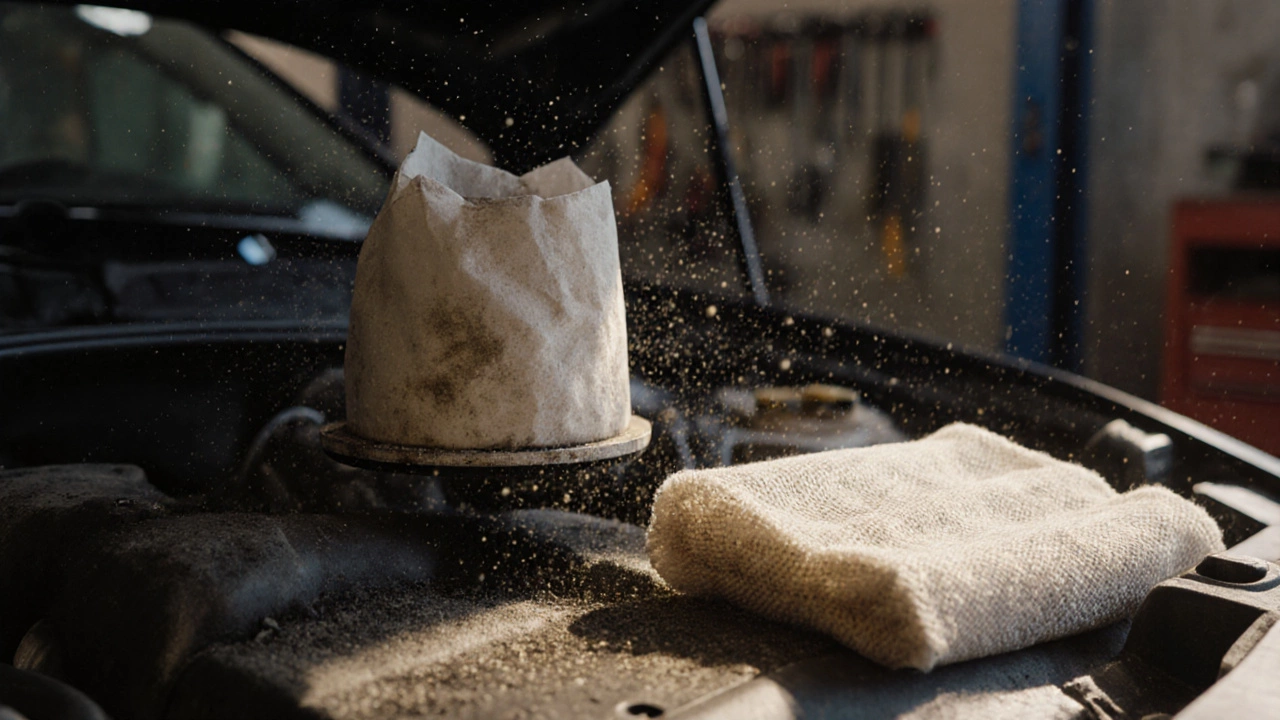
Paper vs Washable Air Filter: Which One Actually Saves You Money and Keeps Your Engine Healthy?
Nov 16 2025 / Air FiltersChoosing between a paper and washable air filter affects your engine's health, fuel economy, and long-term costs. Here's what actually works based on real driving habits and maintenance needs.
VIEW MORE