Suspension Noise – Understanding, Finding & Fixing the Problem
When dealing with suspension noise, any unwanted sounds that come from your vehicle’s suspension system while driving. Also known as road rattle, it often signals that a component is wearing out or misaligned and can affect ride comfort and safety.
One of the most common culprits is a shock absorber, a hydraulic device that controls the impact of bumps and keeps the wheels in contact with the road. When a shock absorber loses its damping ability, it lets the wheel bounce excessively, creating clunking or knocking sounds. Another frequent offender is the strut, a structural component that combines a shock absorber with a suspension pivot point. A failing strut can produce a deep thud or squeak, especially over potholes. Worn bushings, rubber or polyurethane inserts that isolate metal parts and absorb vibration, often cause a hollow rattling that seems to come from inside the wheel well. Finally, a loose or damaged ball joint, the pivot that connects the control arm to the steering knuckle, can generate a sharp clicking when turning.
How These Parts Relate to the Noise You Hear
Understanding the relationships helps you pinpoint the source faster. Suspension noise encompasses the sounds produced by each of these components when they deteriorate (Entity‑Predicate‑Object). It requires a systematic inspection because one faulty part often stresses another, creating a chain reaction. For example, a weak shock absorber can overload the strut, and both can accelerate bushing wear. Similarly, a bad ball joint can change wheel alignment, which forces the shocks and struts to work harder, amplifying the noise.
Diagnosing the issue starts with a simple road test: drive over a speed bump at low speed and listen for a thump that fades quickly – likely a shock. Take a sharp turn at moderate speed; a click points to the ball joint. Then, feel for excessive vibration when cruising on a smooth road; that’s often a bushing problem. Visual checks are equally useful: look for oil leaks on shocks, cracked strut mounts, or torn rubber on bushings. If you spot any of these, replace the part promptly to prevent further wear and keep the ride smooth.
Below you’ll find a curated set of articles that dive deeper into each symptom, explain wear patterns, and walk you through DIY fixes or professional service options. Whether you’re a seasoned DIYer or just want to know what to ask your mechanic, the collection gives you the practical knowledge to silence that annoying noise and restore confidence in your vehicle’s handling.
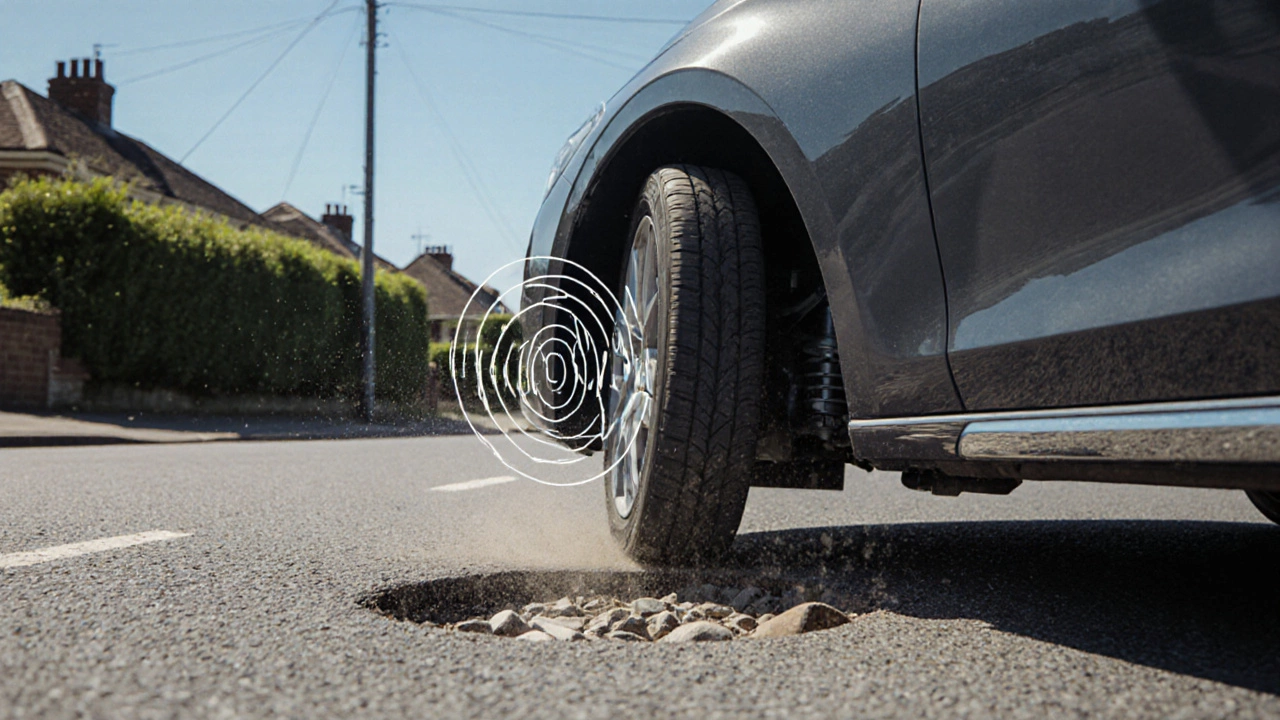
How to Identify a Bad Suspension Sound and Fix It
Oct 14 2025 / Suspension PartsLearn to recognize the sounds of a failing suspension, link each noise to its component, and get step‑by‑step tips for diagnosing and fixing bad suspension sounds.
VIEW MORE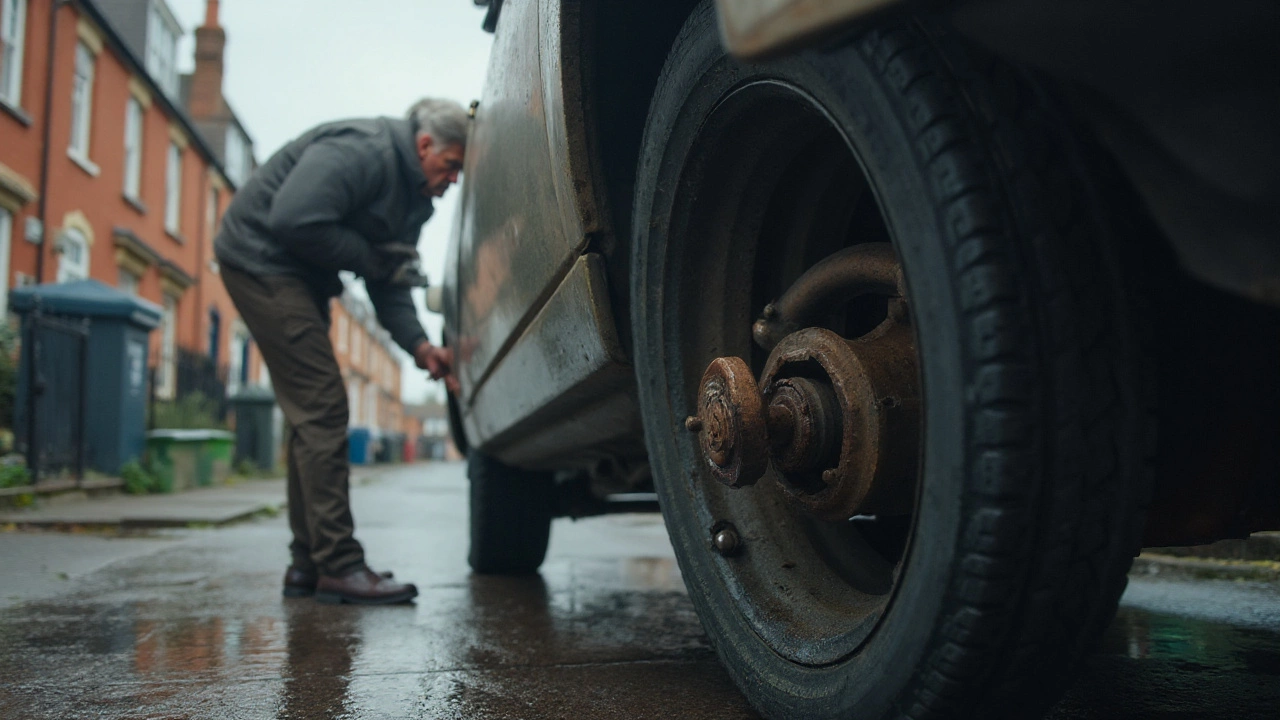
Car Suspension Noise: What a Damaged Suspension Really Sounds Like
Aug 4 2025 / Suspension PartsDiscover the sounds of a damaged suspension, what they mean, and how to spot them before bigger problems hit. Stay safe with these expert car tips.
VIEW MORE