Suspension Parts Price: What You Really Pay and Why It Varies
When your car feels bouncy, noisy, or pulls to one side, the problem often starts with the suspension parts, the system of springs, shocks, and links that keep your tires on the road and your ride smooth. Also known as vehicle suspension components, these parts absorb bumps, control body roll, and help you steer safely—especially on UK roads that are rougher than they look. Skip a worn shock or strut, and you’re not just making your drive uncomfortable—you’re putting extra stress on your tires, brakes, and even your steering system.
Suspension parts price isn’t one number. It depends on what’s broken, what brand you pick, and whether you’re replacing just one part or the whole setup. Shock absorbers, the dampers that control how fast the springs bounce back. Also known as dampers, these are the most common failure point and usually cost between £80 and £250 each. Struts, a combined shock and spring unit that also supports the car’s weight. Also known as MacPherson struts, these are pricier—often £150 to £400 per side—because they’re more complex and require alignment after replacement. Then there’s the control arms, the metal links that connect the wheels to the frame. Also known as A-arms, these can cost £100 to £300 each, especially if the ball joint is built in. You don’t always need to replace everything at once, but if one part is worn, others aren’t far behind.
What drives the price difference? Brand matters. OEM parts from Ford or BMW cost more than aftermarket ones from Monroe or KYB, but they’re designed to match your car’s original ride. Performance parts? They’re pricier but give you tighter handling—if you’re into that. Then there’s labor. Replacing shocks is quick, but struts need a lift, disassembly, and wheel alignment afterward, which adds £100 to £200. And if you’re driving on pothole-ridden roads or hauling heavy loads, your suspension takes more abuse—and wears faster.
You don’t need to wait for a clunk or a squeak to check your suspension. Try the bounce test: push down hard on each corner of your car. If it bounces more than once, your shocks are fading. Notice uneven tire wear? That’s often a sign of misalignment from worn suspension parts. And if your car dives hard when braking or leans over in turns, it’s not just bad driving—it’s bad suspension.
What you’ll find below isn’t just a list of posts. It’s a practical guide to spotting suspension trouble before it costs you more, understanding what each part does, and knowing when to fix it yourself or call a pro. From how to tell if your struts are gone to why some suspension types handle bumpy roads better than others, these articles cut through the noise and give you the facts you need to make smart, affordable choices.
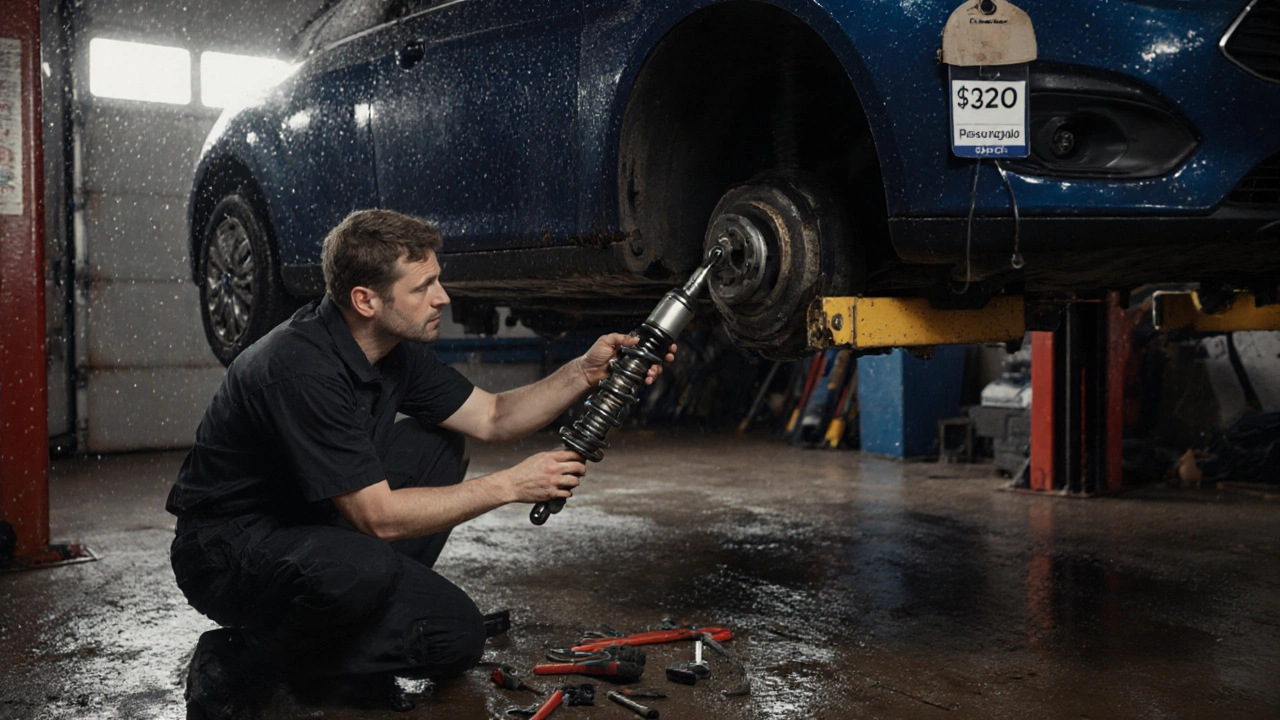
Is Fixing Suspension Expensive? Real Costs for UK Drivers in 2025
Nov 24 2025 / Suspension PartsSuspension repairs can cost anywhere from £150 to over £1,200 in the UK. Learn what factors affect the price, which parts fail most often, and how to avoid costly mistakes.
VIEW MORE