Suspension Problems – Spot the Signs and Solutions
When dealing with suspension problems, issues that affect a vehicle’s ride comfort, handling and safety. Also known as suspension issues, they often stem from worn components or misalignment. These problems don’t just make your ride feel rough – they can also cause uneven tire wear, poor braking and even loss of control. Understanding the core parts helps you decide what to check first. For example, a Shock absorber, a damper that controls spring motion and reduces bounce works hand‑in‑hand with a Strut, a structural component that combines a shock absorber with a coil spring. When either of these wears out, the whole suspension feels loose.
The Spring, the coil that supports vehicle weight and absorbs road impacts is the backbone of the system. If a spring breaks or loses its tension, you’ll notice a sagging side or a clunk when you hit a bump. Pair that with a misaligned wheel, and the car can pull to one side. Wheel alignment itself is a separate but related service; proper alignment ensures that the tires meet the road at the correct angle, which in turn reduces stress on shocks, struts and springs.
Common Signs of Faulty Suspension
Pay attention to these symptoms: a noisy squeak or thump when going over potholes, a nose‑down stance while braking, or a car that sways excessively during cornering. Uneven tire wear often signals that one side of the suspension is out of sync. If you feel vibrations through the steering wheel at higher speeds, the front end’s bushings or tie‑rods may be wearing. These cues are the practical clues that point directly to the component that needs attention.
Fixing suspension problems usually starts with a visual inspection. Look for oil leaks around shock mounts, cracked or broken springs, and torn rubber boots. Test the bounce by pushing down on each corner; a healthy suspension should rebound smoothly. If the bounce is slow or doesn’t return, the shock absorber or strut is likely the culprit. After identifying the weak link, you can decide whether a DIY replacement is feasible or if a professional service is needed.
Below you’ll find a collection of guides that dive deeper into each of these areas – from spotting worn shocks to understanding when a full suspension overhaul makes sense. Whether you’re a hands‑on DIYer or just want to know when to book a shop, the articles ahead give you the knowledge to keep your ride smooth and safe.

What Is the Effect of Weak Suspension on Your Car’s Performance and Safety?
Feb 23 2026 / Suspension PartsWeak suspension compromises your car's handling, braking, and safety. It causes uneven tire wear, longer stopping distances, and can lead to costly damage. Don't wait until it fails-check and replace worn parts before it's too late.
VIEW MORE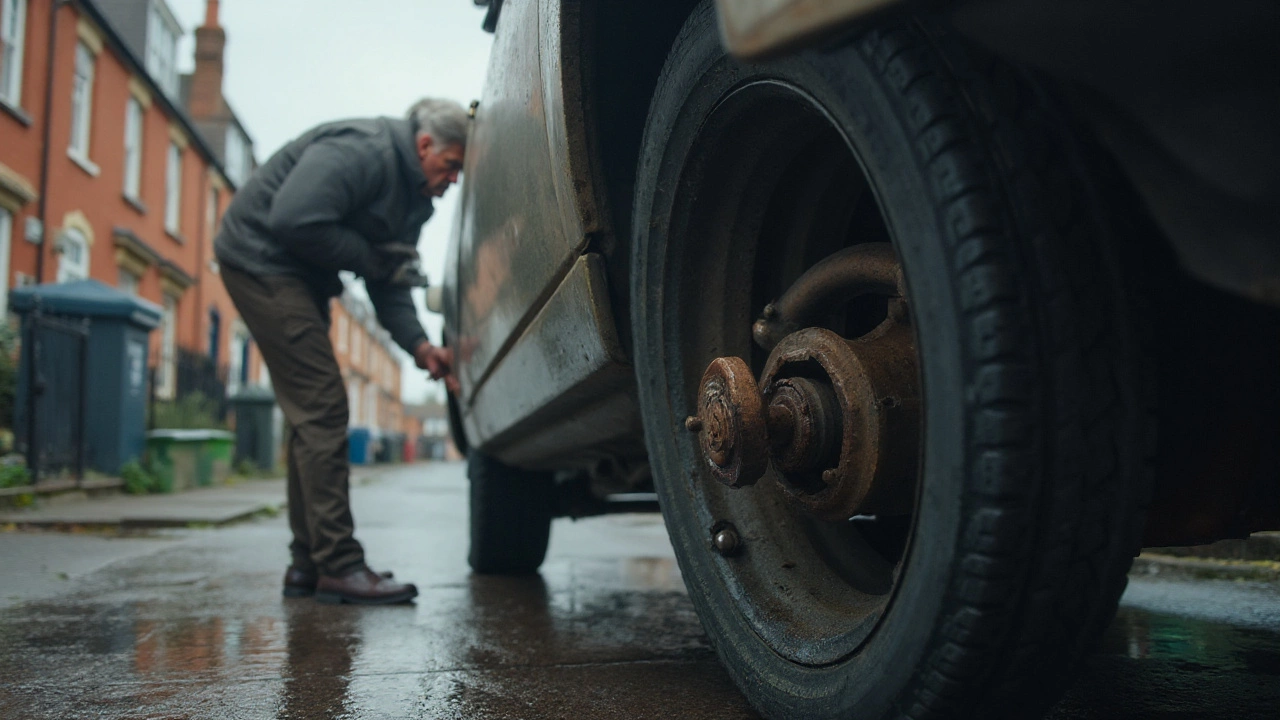
Car Suspension Noise: What a Damaged Suspension Really Sounds Like
Aug 4 2025 / Suspension PartsDiscover the sounds of a damaged suspension, what they mean, and how to spot them before bigger problems hit. Stay safe with these expert car tips.
VIEW MORE
Front Suspension: How Do I Know When It's Time for a Change?
May 28 2025 / Suspension PartsWondering if your car's front suspension is shot? This article breaks down the real-life warning signs and weird symptoms to look for—like knocking noises, uneven tire wear, or a ride that feels bumpier than it used to. Learn what these clues actually mean for your car's safety and how they impact your wallet over time. You'll get honest tips for checking your suspension at home, plus advice on when to call a mechanic. Save time, cash, and guesswork with practical know-how.
VIEW MORE