Suspension Health Checker
Enter symptoms you're experiencing to identify potential issues and calculate risks.
When your car’s suspension starts to weaken, it doesn’t just make the ride bumpy. It puts you, your passengers, and everyone else on the road at risk. You might notice it first as a strange noise over speed bumps, or maybe your car feels like it’s floating when you turn. But those small signs? They’re early warnings. A weak suspension doesn’t just wear out quietly-it quietly destroys your control, your safety, and your wallet.
How Suspension Works-And What Happens When It Fails
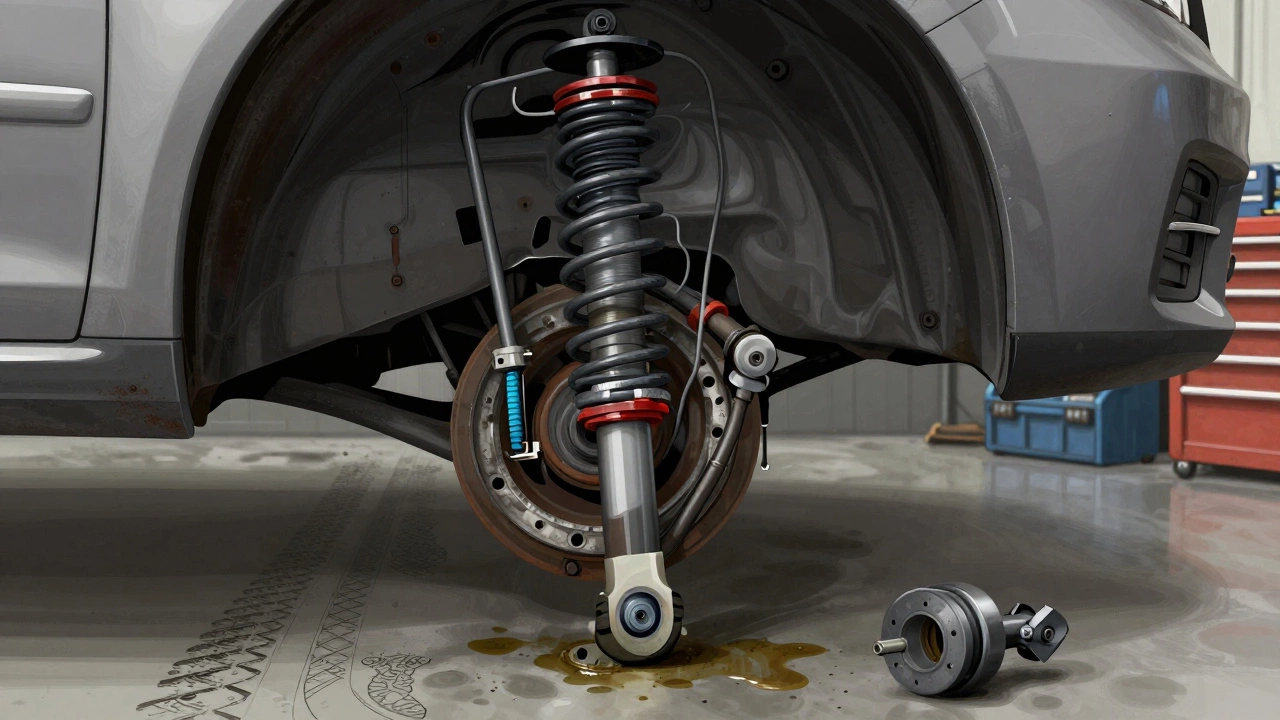
Your car’s suspension system is made up of springs, shock absorbers, struts, control arms, bushings, and sway bars. Together, they do three critical things: keep your tires on the road, absorb bumps, and help you steer accurately. When any part of that system weakens, the whole thing starts to unravel.
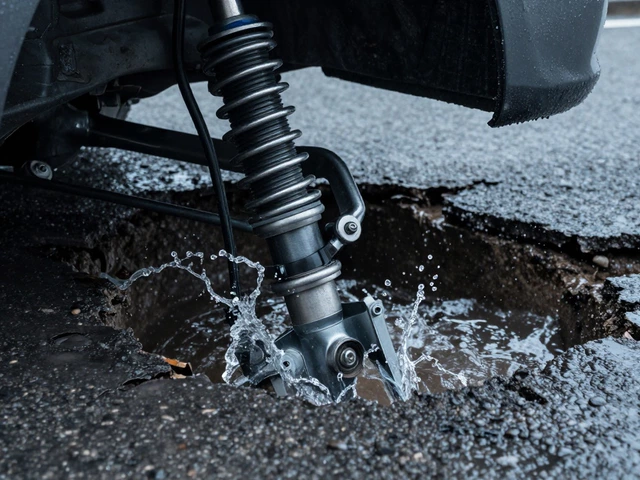
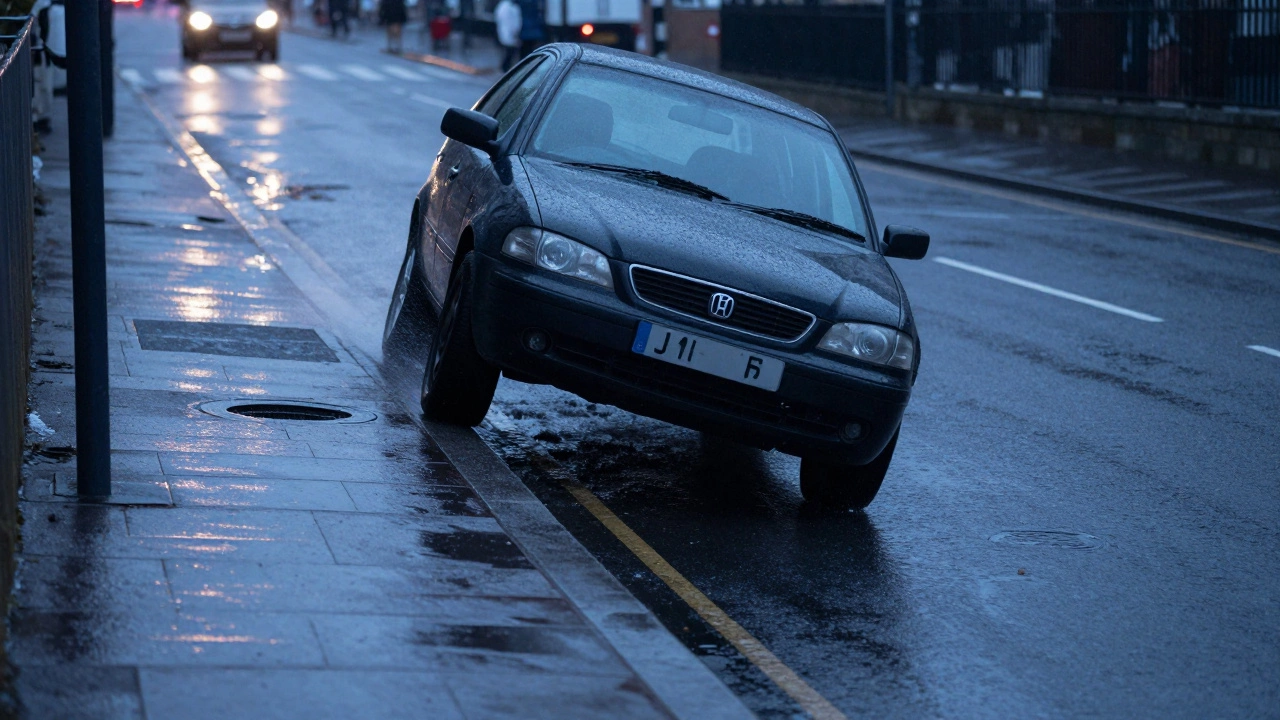
Take a worn shock absorber, for example. It’s supposed to control how fast the spring moves up and down. When it’s worn out, the spring bounces too much. That means your tire loses contact with the road-especially when you hit a pothole or take a corner at speed. In wet conditions, that loss of contact can turn a simple maneuver into a skid. Studies from the UK’s AA motoring organization show that vehicles with degraded suspension take up to 20% longer to stop on wet roads compared to those with healthy systems.
Signs Your Suspension Is Weak
You don’t need a mechanic to tell you something’s wrong. You can feel it. Here’s what to watch for:
- Your car leans heavily when turning, or feels like it’s tipping over.
- You notice uneven tire wear-especially on the inside or outside edges.
- The vehicle bounces more than once after hitting a bump.
- Steering feels loose, vague, or delayed.
- Braking feels like the front end dives down too hard.
- You hear clunking or rattling over rough roads.
These aren’t just annoyances. They’re red flags. Uneven tire wear? That means your tires are wearing out faster-possibly 30% sooner than they should. That’s money you didn’t plan to spend. The clunking sound? That’s often a broken bushing or a loose ball joint. Both are safety risks waiting to happen.
How Weak Suspension Affects Braking
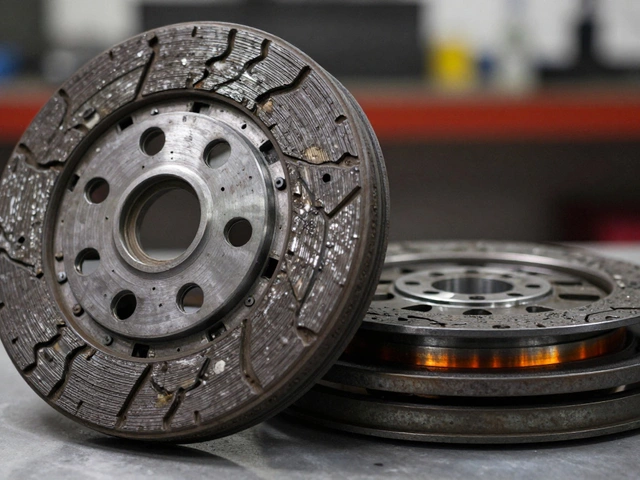
Braking isn’t just about your pads and rotors. It’s about how well your tires stay planted. When the suspension can’t hold the car steady, the weight shifts too fast and too far forward. This lifts the rear tires off the road slightly, reducing their grip. The result? Your brakes don’t work as well. In a panic stop, you might not stop in time-even if your brakes are brand new.
Real-world testing by the RAC found that cars with worn shocks had stopping distances increased by 4 to 6 meters at 50 mph on dry roads. That’s the length of a small car. In city traffic, that gap could mean the difference between avoiding a collision and slamming into the car ahead.
Steering and Handling Take a Big Hit
Have you ever felt like your car doesn’t respond right when you turn the wheel? That’s not in your head. Weak suspension means your tires aren’t staying perpendicular to the road. They tilt inward or outward, reducing their contact patch. That makes steering sluggish and unpredictable.
On a winding country road, this can be dangerous. If you’re driving a family sedan or an SUV, a weak suspension makes it harder to recover from sudden swerves-like avoiding a child’s ball rolling into the street. The car doesn’t feel planted. It feels like it’s sliding. That’s not confidence-it’s panic.
Long-Term Damage to Other Parts
Weak suspension doesn’t just hurt your ride-it hurts your car. Every time your shocks fail to absorb impact, that energy gets transferred elsewhere. It beats up your tires, strains your wheel bearings, and wears out your steering components faster. Even your CV joints and drivetrain take extra stress.
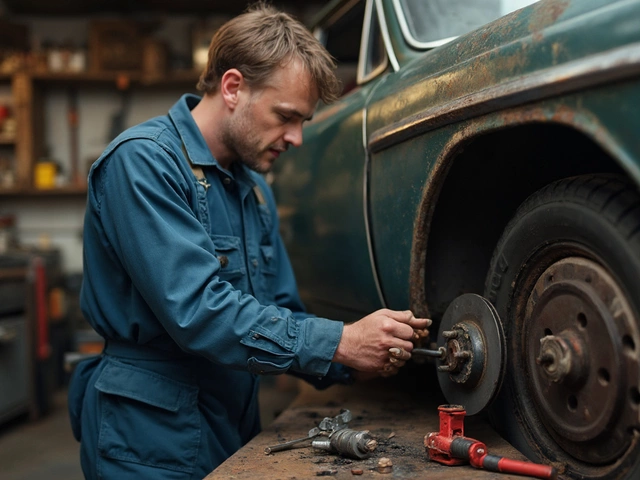
One mechanic in Manchester told me he sees the same pattern every winter: after a season of potholes and rain, cars come in with blown shocks, worn control arms, and tires that look like they’ve been shredded. All because the suspension failed first. Replacing a pair of shocks costs £200-£400. Replacing the tires, wheels, and steering parts because of it? Easily £1,500.

When to Replace Your Suspension Components
Most manufacturers say shocks and struts last 50,000 to 70,000 miles. But that’s under perfect conditions. In the UK, with our rough roads, salted winter streets, and frequent rain, you should consider inspection at 40,000 miles. If you drive mostly on country lanes or in cities with poor road maintenance, replace them by 35,000 miles.
Here’s a simple test you can do yourself: push down hard on each corner of your car and let go. If it bounces more than once or twice, your shocks are worn. If it bounces three or four times? You need new ones now.
Don’t wait for a loud noise. Don’t wait until the car feels "unstable." By then, you’ve already compromised your safety. Replace worn parts before they break. It’s cheaper. It’s safer. It’s smarter.
What Happens If You Ignore It?
Ignoring weak suspension isn’t just expensive-it’s dangerous. The UK’s Department for Transport recorded over 8,200 accidents between 2020 and 2024 where poor vehicle maintenance was a contributing factor. Suspension failure was listed in more than 1,200 of those cases. Many involved loss of control on wet roads or during emergency maneuvers.
And it’s not just about you. A car with bad suspension is harder for other drivers to predict. It sways. It drifts. It doesn’t stop where you expect. That puts cyclists, pedestrians, and other drivers at risk too.
Final Thought: It’s Not a Luxury-It’s a Lifesaver
Your suspension isn’t a "nice to have." It’s the invisible link between you and the road. It’s what lets you turn, brake, and stay in control when things go wrong. A weak suspension doesn’t just make your ride uncomfortable. It makes your car unpredictable. And unpredictable cars kill.
Don’t wait for a warning light. Don’t wait for a mechanic to tell you. If your car feels off, if you notice odd noises, if your tires are wearing unevenly-act now. Get your suspension checked. Replace what’s worn. It’s not about saving money. It’s about staying alive.
Can weak suspension cause uneven tire wear?
Yes. When suspension components like shocks, struts, or control arms wear out, they can’t keep the tires properly aligned with the road. This causes the tires to tilt inward or outward, leading to uneven wear-usually on the inner or outer edges. This not only shortens tire life but also reduces traction and increases the risk of blowouts.
How often should suspension parts be inspected?
Inspect your suspension every 20,000 miles or at least once a year, especially if you drive on rough roads or in areas with heavy winter salting. Most manufacturers recommend replacing shocks and struts between 50,000 and 70,000 miles, but in the UK’s driving conditions, 35,000 to 45,000 miles is a safer target for replacement.
Is it safe to drive with a broken sway bar?
Driving with a broken sway bar is risky. The sway bar helps reduce body roll during turns. Without it, your car leans excessively, making handling unstable and increasing the chance of rollover, especially in SUVs and trucks. You might also experience delayed steering response and reduced grip. It’s not a failure you should ignore.
Can weak suspension affect fuel efficiency?
Yes. A weak suspension can cause your tires to lose proper alignment, leading to increased rolling resistance. When tires don’t roll straight, your engine has to work harder to move the car. This can reduce fuel efficiency by up to 5%, which adds up to extra fuel costs over time.
Do I need to replace all suspension parts at once?
Not always. You can replace worn components individually-like swapping out just the shocks if the struts are still good. But if one part is worn, others are likely close behind. Replacing pairs (front or rear) is often recommended to maintain balanced handling. If multiple parts show signs of wear, replacing them together saves money and time in the long run.