Suspension Replacement Cost: What It Really Costs and What to Watch For
When your car starts feeling loose, bouncy, or noisy over bumps, it’s not just an annoyance—it’s a sign your suspension system, the network of springs, shocks, and links that keeps your tires on the road and your ride smooth. Also known as vehicle suspension, it’s one of the most overlooked but critical parts of your car’s safety and comfort. Ignoring worn suspension doesn’t just make your drive uncomfortable—it can wreck your tires, strain your steering, and even make braking less effective.
Most people don’t realize how many parts make up the suspension. The shock absorbers, components that dampen the bounce from road irregularities usually wear out first, often around 50,000 to 80,000 miles. Then come the struts, combined shock and spring units that support the vehicle’s weight, control arms, bushings, and ball joints. Each one adds to the total cost when they fail. You might think you’re just replacing shocks, but if your ball joints are worn too, you’ll need to fix them at the same time—or risk another repair in a few months.
How much does it actually cost? On average, replacing a pair of shocks or struts runs between £300 and £700, depending on your car model and whether you go for OEM or aftermarket parts. Labor can add another £100 to £250 per axle. But here’s the catch: if you hear clunking over bumps, feel your car leaning too much in turns, or notice uneven tire wear, you’re not just paying for parts—you’re paying to fix a safety issue. A bad suspension doesn’t just cost money—it costs control.
Some drivers delay repairs because they think it’s just a "rattle" or "noise." But those sounds? They’re your car screaming for help. A knocking noise from the front end often means a worn control arm bushing. A squeak when turning? Likely a dry ball joint. And if your car dips forward when you brake, your shocks are done. These aren’t vague problems—they’re specific failures with clear fixes.
You don’t need to replace the whole suspension at once, but you do need to know what’s broken. Many shops will try to upsell you on a full rebuild, but that’s not always necessary. A good mechanic will check each component and tell you what’s actually worn. If your car pulls to one side or vibrates at highway speeds, it’s not just alignment—it’s suspension wear.
This collection of posts covers everything you need to spot the early signs of suspension trouble, understand what each part does, and figure out when it’s time to replace it. You’ll find real-world examples of what bad suspension sounds like, how to test it yourself, and which upgrades actually make a difference on rough roads. Whether you’re dealing with a noisy Ford Focus or a bouncy Land Rover, the advice here is based on what actually works—not what sounds good in a brochure.
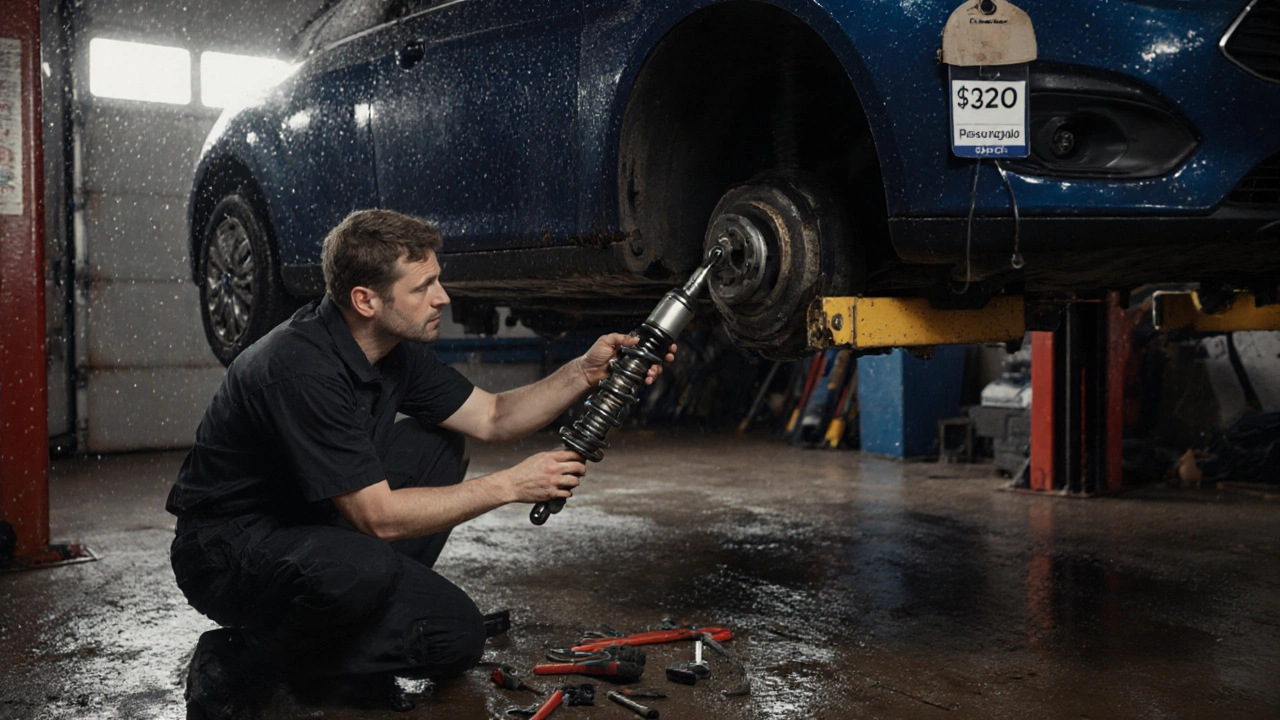
Is Fixing Suspension Expensive? Real Costs for UK Drivers in 2025
Nov 24 2025 / Suspension PartsSuspension repairs can cost anywhere from £150 to over £1,200 in the UK. Learn what factors affect the price, which parts fail most often, and how to avoid costly mistakes.
VIEW MORE