When to Replace Brake Pads
When working with When to Replace Brake Pads, the decision point that tells you the exact moment your brake pads need swapping. Also known as brake pad replacement timing, it hinges on wear‑indicator feedback, pedal feel and audible clues. Understanding this moment helps you keep stopping power strong and avoids costly damage to other parts. For example, Brake Rotors, the metal discs that work hand‑in‑hand with the pads to slow the wheels can warp if worn pads are ignored, leading to vibration. Likewise, Brake Fluid, the hydraulic liquid transmitting pedal pressure to the calipers should be inspected because contaminated fluid reduces pad efficiency. Lastly, Brake Pad Material, the composition—organic, semi‑metallic or ceramic—that influences wear rate and noise plays a role in how often you’ll need to replace them. These entities form a web: the timing for brake pads involves checking wear indicators, measuring rotor thickness, testing fluid clarity, and considering material type. If any of these factors signal trouble, it’s a clear cue to act.
One practical way to spot the right moment is to listen for a high‑pitched squeal that comes from the built‑in wear sensor. That sound means the friction material has hit its minimum thickness and can’t protect the rotors anymore. You’ll also feel a softer pedal or longer stopping distances, especially when you’re driving downhill. In the UK climate, moisture can creep into the brake system, so a visual check of the pad surface for glazing or scoring is wise after winter. When you note these symptoms, cross‑check rotor depth with a micrometer; anything under 2 mm usually calls for rotor resurfacing or replacement—see our article on rotor resurfacing vs replacement for cost‑benefit insights. Meanwhile, test the brake fluid by looking for a dark amber hue or bubbles; if it fails the boil‑point test, replace it alongside the pads. Remember, the material you choose matters: ceramic pads last longer and stay cleaner but cost more, while semi‑metallic pads handle high‑temperature driving better. Matching pad material to your driving style—city commuting vs occasional track days—optimizes lifespan and safety.
Below you’ll find a curated collection of articles that break down each of these checkpoints in detail. From spotting wear‑indicator flags to comparing rotor resurfacing costs, from understanding how fluid health influences pad performance to picking the right pad material for UK roads, the pieces give you actionable steps you can take today. Dive into the guides to arm yourself with the knowledge needed to decide precisely when to replace brake pads and keep your vehicle stopping safely.
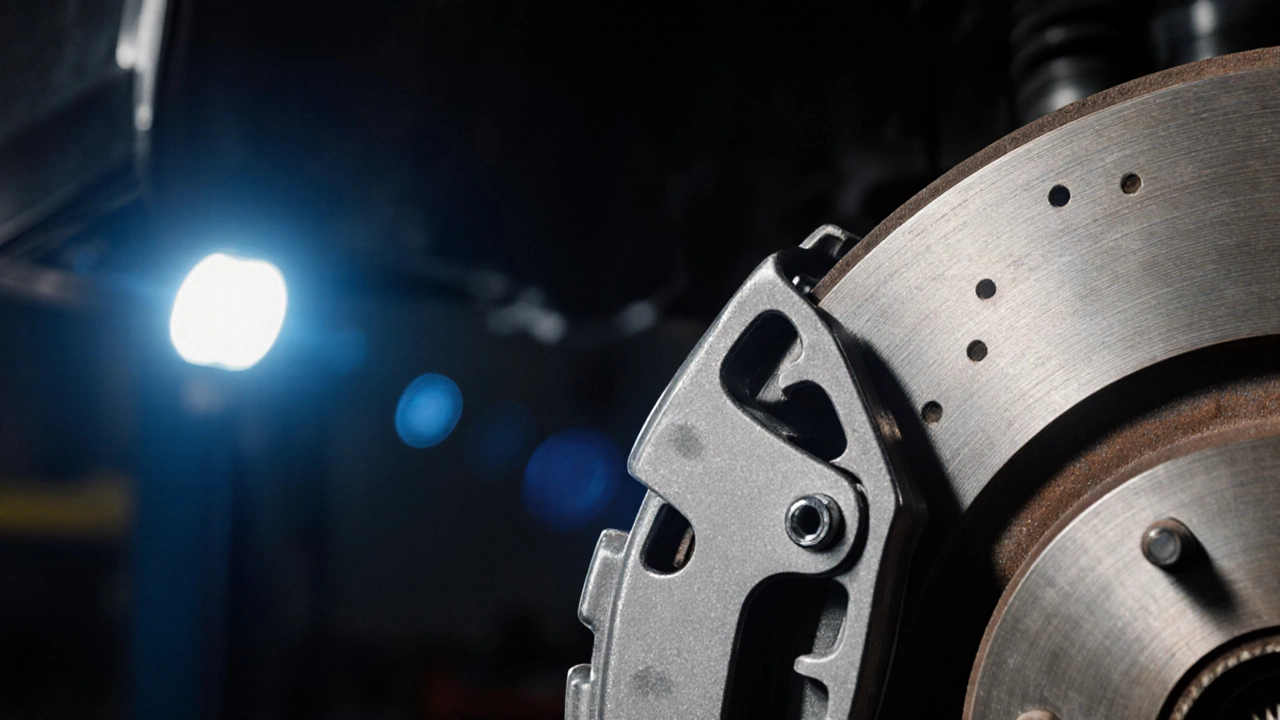
How to Tell When Your Brake Pads Are Worn
Oct 17 2025 / Brake PadsLearn the key signs, inspection steps and safety tips to know when your brake pads need replacement.
VIEW MORE