Windshield Wipers in Snow: What Works, What Fails, and How to Stay Safe
When snow sticks to your windshield, your windshield wipers, the critical safety component that clears rain, ice, and snow from your view. Also known as wiper blades, they’re not just rubber strips—they’re your lifeline in poor weather. If they’re old, cracked, or the wrong type, you’re driving blind. And in snow, that’s not a risk you can afford.
Most people think any wiper will do. But winter wiper blades, a specialized type designed to resist ice buildup and maintain contact in freezing temps are a different beast. Standard blades collect ice along their frame, lift off the glass, and leave streaks—even when they’re moving. Beam blades, with their solid, curved frame and rubber-only design, don’t trap snow the way traditional frame-style blades do. They hug the glass tighter, even when temperatures drop below freezing. And if you live where snow sticks around for weeks, that difference isn’t optional—it’s survival.
Putting your wipers up before a storm? That’s a common trick to avoid them freezing to the glass. But wiper damage, caused by forcing stiff blades back down after ice forms or by letting them sit in snow for days is real. The springs weaken. The rubber hardens. The arms bend. You might think you’re helping, but you’re just setting yourself up for a costly replacement—and worse, a moment of zero visibility when you need it most.
What you buy matters more than where you buy it. A $5 pair from a gas station might seem smart until you’re stuck on a highway, trying to see through a smeared, chattering windshield. The windshield wipers in snow that last are the ones built with a rubber compound that stays flexible in cold, a design that sheds ice, and a frame that doesn’t rust or warp. Brands that specialize in winter gear don’t just add a "winter" label—they engineer for it. Look for features like a rubber boot that covers the arm, or a reinforced spine that resists bending under ice load.
And don’t forget the basics: clean your windshield before the snow hits. Dirt turns into grit when frozen, and that grit grinds into the rubber, wearing it out faster. A quick wipe with vinegar and water before a storm can extend blade life by months. Same goes for your washer fluid—use one rated for sub-zero temps. Regular fluid freezes in the lines and leaves you with no spray at all.
Winter isn’t just about snow—it’s about control. Your tires grip the road, your battery starts the engine, and your wipers keep you seeing. Skip any one, and you’re gambling. The posts below show you exactly what to look for in blades, how to avoid common mistakes, what stores like AutoZone actually offer for installation, and why paying a little more upfront saves you from a dangerous, expensive mess later.
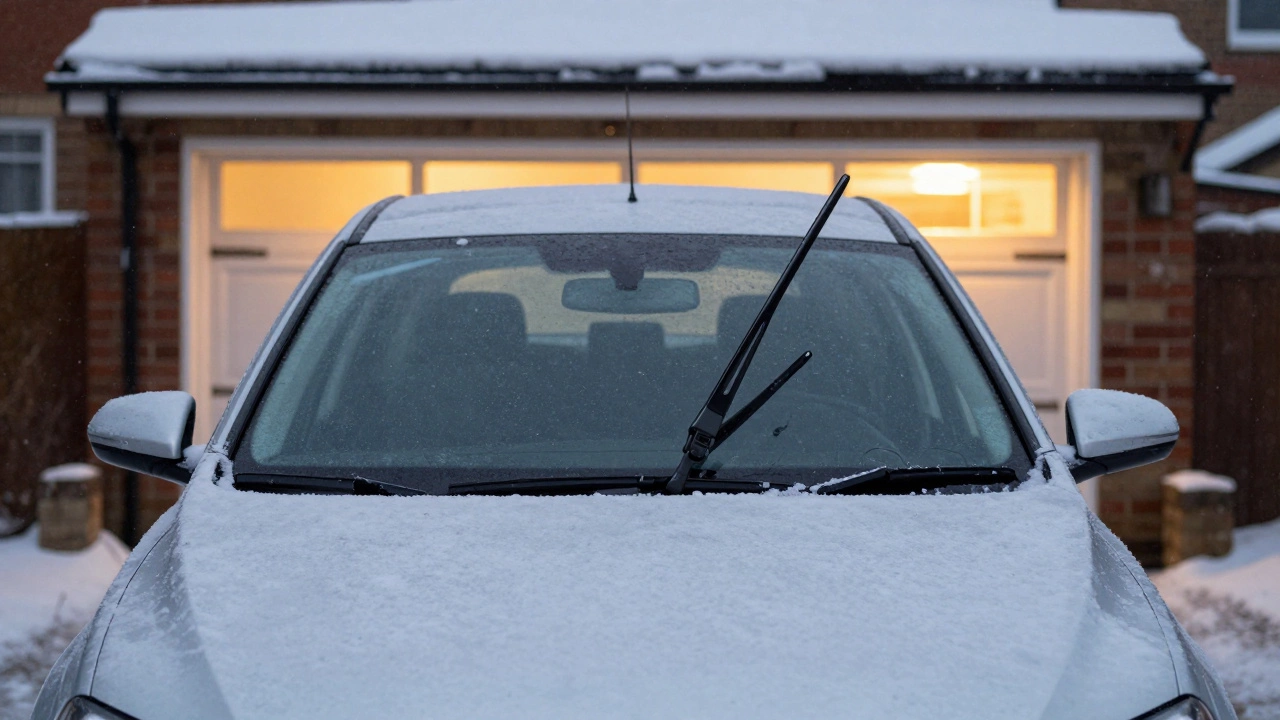
Should Windshield Wipers Be Up or Down in Snow? The Right Way to Protect Your Wipers
Dec 1 2025 / Windscreen WipersLifting your windshield wipers in snow prevents ice damage, saves repair costs, and keeps your vision clear. Learn why this simple habit matters and how to do it right.
VIEW MORE