Windshield Wiper Winter Quiz
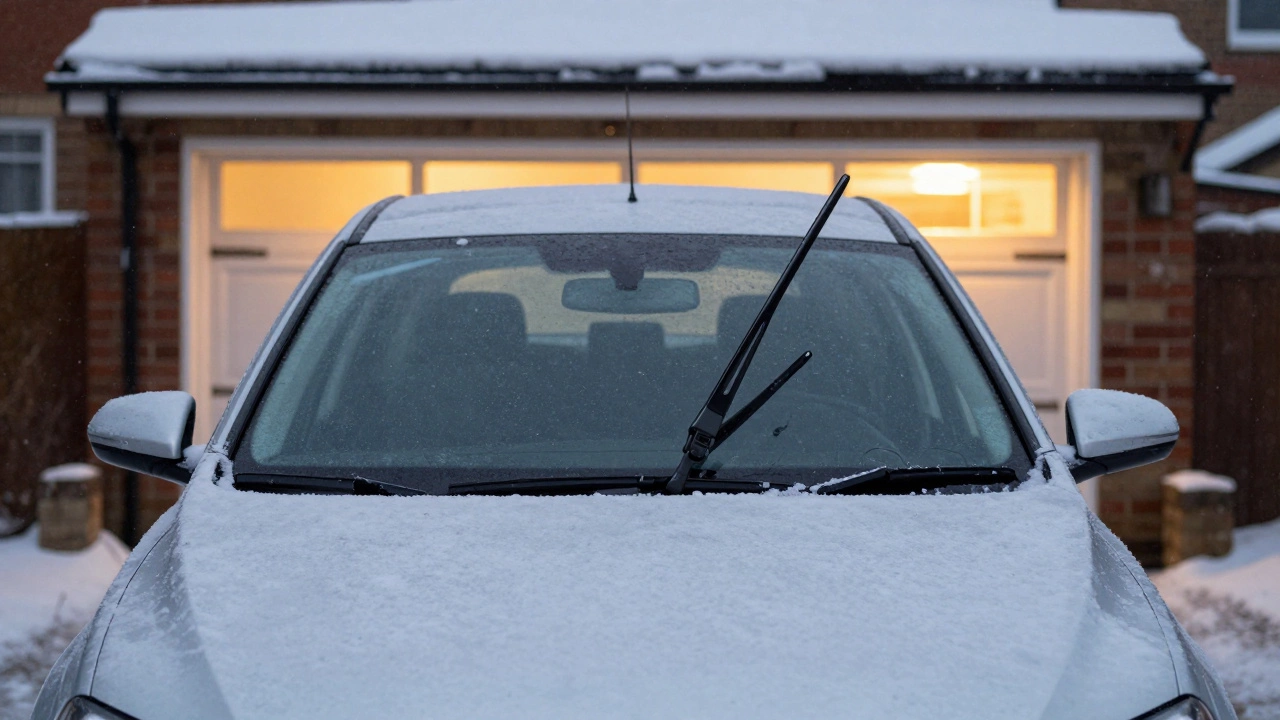
When the first snowflake hits your windshield, most drivers think about clearing the ice. But few think about their wiper blades-until they’re stuck to the glass or bent beyond repair. If you live where snow sticks around, you’ve probably seen cars with wipers lifted up. Is that helpful? Or just a myth? The answer isn’t just about convenience-it’s about saving money and avoiding dangerous blind spots in winter.
Why Lifting Wipers in Snow Matters
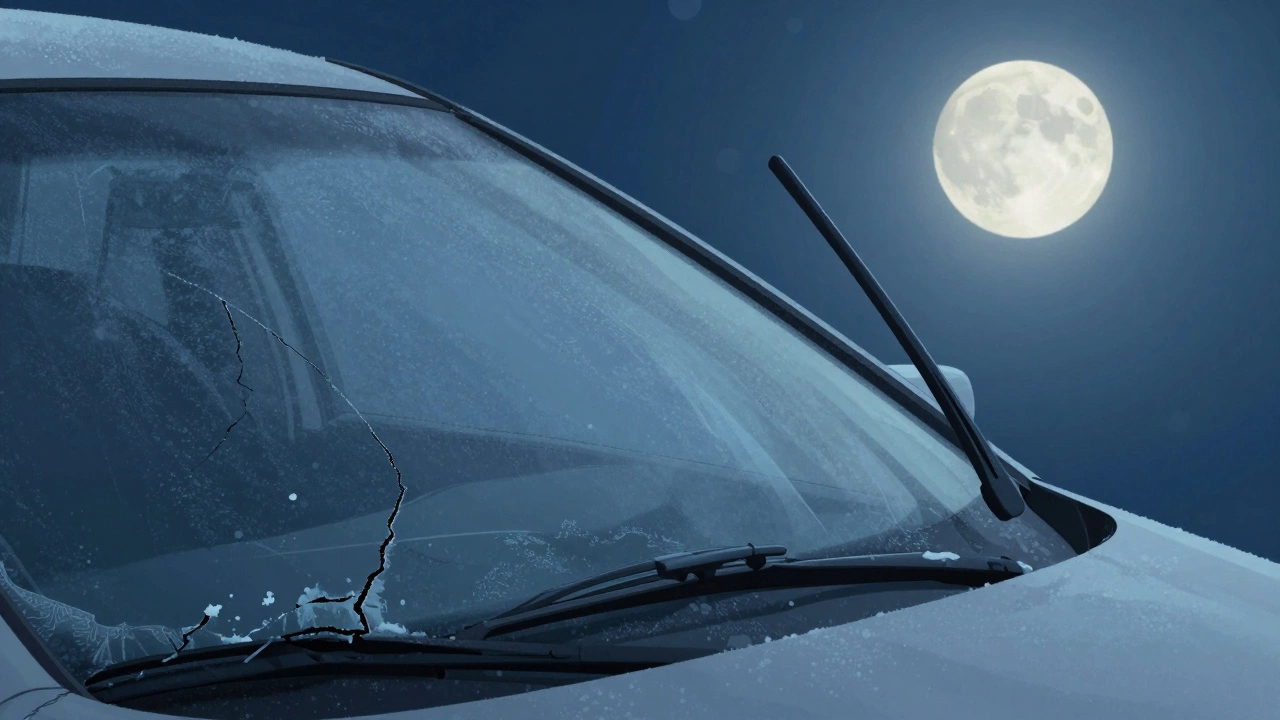
Leaving your windshield wipers down during a snowstorm might seem harmless. But when ice forms overnight, the rubber blades freeze to the glass. In the morning, you turn on the wipers-and they don’t move. The motor strains. The linkage bends. The blade tears. That’s not just a nuisance; it’s a $200 repair waiting to happen.
Most car manufacturers don’t warn you about this. But mechanics in places like Manchester, Halifax, or Calgary see it every winter. One technician told me he replaced 12 wiper arms in a single week after a heavy snowfall. All because owners turned on the wipers without clearing the ice first.
Lifting the blades off the glass breaks that bond. No ice means no resistance. No resistance means no broken motors or torn rubber. It’s simple physics: if the blade isn’t stuck, the motor doesn’t have to fight it.
Up or Down? The Clear Answer
Always lift your windshield wipers up when snow is expected. Not just a little-lift them fully away from the windshield. The goal is to create space between the rubber and the glass so ice can’t form a seal.
Some people worry that lifting the wipers will damage the springs or cause them to snap back. That’s a myth. Modern wiper arms are built to handle being lifted. The spring tension is designed to hold them in place even when raised. You won’t break them by lifting them manually.
And no, putting them down again after the snow melts won’t hurt them either. The arms are made to flex. They’re not fragile. The real risk is leaving them down and letting ice lock them in place.
There’s one exception: if your car has a rear wiper, don’t lift it. Rear wipers are smaller, less robust, and often mounted differently. Leave it down unless your manual says otherwise.
What Happens If You Don’t Lift Them
Leaving wipers down in snow leads to three common problems:
- Blade damage - Ice tears the rubber edge, creating streaks and smears even after the snow melts.
- Motor burnout - The wiper motor can overheat and fail if it tries to move frozen blades. Replacing it costs between £150 and £300.
- Arm bending - The metal arm that holds the blade can warp under pressure. A bent arm won’t lie flat, leaving patches of windshield uncovered.
One driver in Sheffield told me his wipers worked fine until January. After a night of heavy snow, he turned them on and heard a loud clunk. The motor died. The blades were stuck. He didn’t realize the damage until he tried to wipe away light rain the next day-and the wipers only moved halfway across the glass. He ended up replacing the entire assembly.
That’s preventable. All it takes is five seconds before you park.
How to Lift Wipers Properly
It’s not complicated. Here’s how to do it right:
- Turn off the engine and remove the key.
- Switch the wipers to the off position. Wait for them to stop moving.
- Gently lift the wiper arm away from the windshield until it locks in place. Most arms have a stop point where they stay upright.
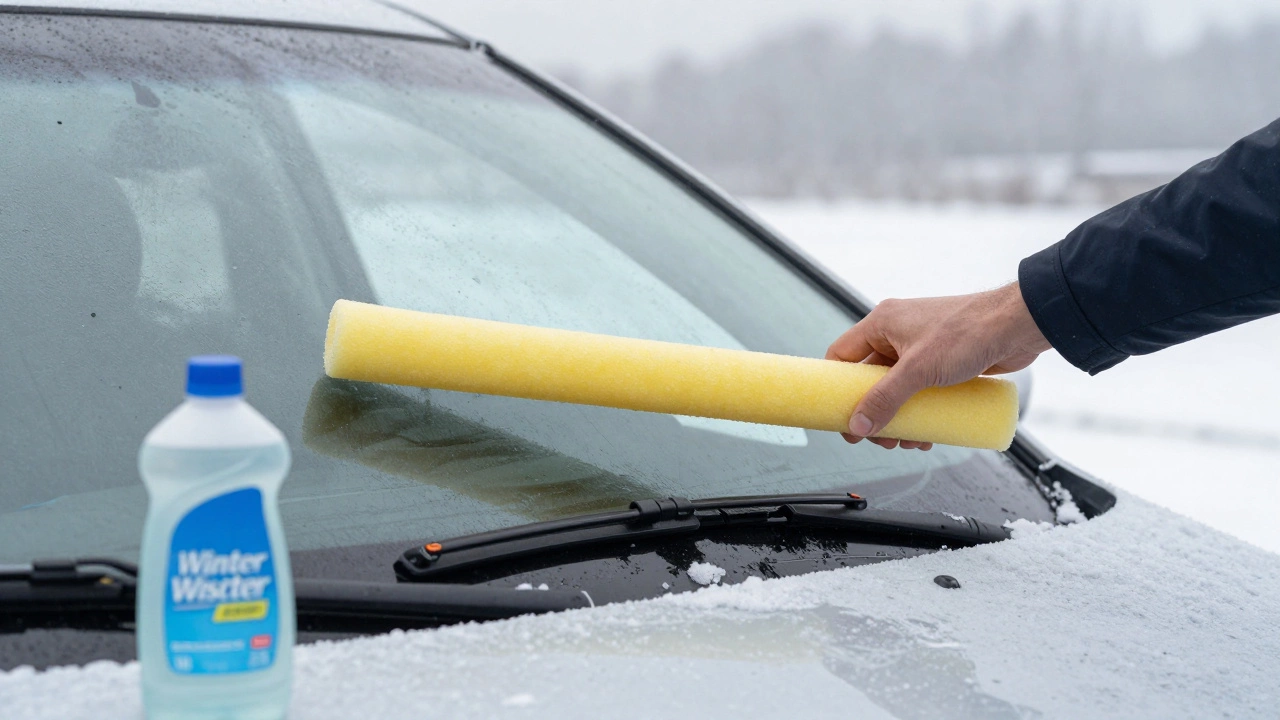
- If your car doesn’t have a locking mechanism, hold the arm up and secure it with a soft cloth or a small piece of foam. Don’t let it flop back down.
- Repeat for both front wipers.
Some people use a small wooden block or a foam pool noodle to prop the arms up. That’s fine. Just make sure it doesn’t scratch the hood or block your view when you return.
And never, ever try to force frozen wipers loose. Don’t pour hot water on them. Don’t scrape them with a metal tool. That will ruin the rubber and scratch the glass. Just turn on the defroster, wait 10 minutes, then gently lift them.
Other Winter Wiper Tips
Lifting the blades is just one part of winter wiper care. Here are three more things you should do:
- Use winter-grade wiper blades - Regular blades have a metal frame that collects ice. Winter blades have a rubber boot that covers the frame, keeping snow out. Brands like Bosch Icon, Rain-X Latitude, and Michelin Stealth are designed for freezing conditions.
- Fill your washer fluid with antifreeze - Standard fluid freezes at 0°C. Winter washer fluid works down to -30°C. Look for bottles labeled “-30°C” or “winter blend.”
- Clear snow from the wiper area before driving - Use a soft brush or your hand to remove snow from the base of the blades. Don’t let it pile up and freeze under the arm.
These steps cost almost nothing. But they extend the life of your blades by years.
Myth Busting: Common Misconceptions
Let’s clear up some myths you might have heard:
- “Lifting wipers damages the springs.” - False. Springs are designed to handle this. If they break from lifting, they were already worn out.
- “It’s better to leave them down so they don’t flap in the wind.” - Wind won’t hurt raised wipers. They’re held in place by tension. Flapping isn’t a real issue.
- “I’ll just scrape the ice off in the morning.” - You can. But if the blade is frozen to the glass, scraping will tear the rubber. Lifting them prevents that entirely.
- “Electric cars don’t need this.” - Wrong. Tesla, Nissan Leaf, and Hyundai Ioniq all have the same wiper systems as gas cars. The motor still burns out if it’s frozen.
These myths cost drivers hundreds of pounds every year. Don’t fall for them.
When to Replace Your Wipers
Even if you lift them every time, wiper blades wear out. Replace them every 6 to 12 months, especially in winter climates. Signs you need new ones:
- Streaking or smearing on the glass
- Chattering or skipping during use
- Cracked or hardened rubber
- Missing pieces of the blade
Don’t wait until they fail in a storm. Buy a pair in October. Keep them in your trunk. When the first snow hits, you’ll be ready.
Final Tip: Make It a Habit
The best way to protect your wipers is to make lifting them part of your parking routine. After you turn off the engine, lift the wipers before you walk away. Do it every time snow is forecast. In a few weeks, it’ll be automatic.
Think of it like checking your tire pressure or topping up your oil. It’s not glamorous. But it stops expensive problems before they start.
One winter, I saw a parked car with all four wipers lifted-two front, two rear. The owner had a small truck. He didn’t have a garage. He didn’t have fancy gear. He just knew that if he didn’t lift them, he’d be stuck in the morning. He saved himself a trip to the garage. And he could see clearly when he drove.
That’s the goal.
Should I lift my windshield wipers every time it snows?
Yes. If snow is falling or expected overnight, lift your front wipers off the windshield. This prevents ice from freezing the blades to the glass, which can damage the motor, arms, or rubber. It only takes 10 seconds and saves hundreds in repairs.
Can lifting wipers damage the arm or spring?
No. Wiper arms are designed to be lifted manually. The spring tension holds them in place. If the arm breaks after lifting, it was already worn or corroded. Lifting doesn’t cause the damage-it reveals existing problems.
What if my car doesn’t have a locking position for raised wipers?
Use a soft cloth, foam pad, or even a rolled-up towel to gently hold the arm up. Make sure it doesn’t touch the hood or windshield. The goal is to keep the blade off the glass, not to lock it perfectly.
Is it safe to use hot water to melt ice off frozen wipers?
No. Hot water can crack the windshield or melt the rubber blade unevenly. Instead, turn on the defroster and wait 5-10 minutes. Then gently lift the wipers. If needed, use an ice scraper on the glass-not the blades.
Do rear wipers need to be lifted too?
Generally, no. Rear wipers are smaller, less durable, and often mounted differently. Unless your owner’s manual says otherwise, leave the rear wiper down. Focus on protecting the front ones.
How often should I replace windshield wiper blades in winter?
Replace them every 6 to 12 months if you drive in snow. Winter blades wear faster due to ice, salt, and sand. Signs of wear include streaking, chattering, or cracked rubber. Buy new ones before the first snowfall.