Winter Wiper Tips: Keep Your Vision Clear in Rain, Snow, and Ice
When temperatures drop, your windshield wipers, the critical safety component that clears rain, snow, and ice from your windshield become the difference between seeing the road and seeing nothing. A bad set of wipers doesn’t just make driving annoying—it’s dangerous. In winter, ice builds up, rubber hardens, and cheap blades smear instead of clean. You don’t need fancy gadgets, just the right wipers and a few smart habits to stay visible when it matters most.
Many drivers think all wiper blades are the same, but that’s not true. wiper blades, the rubber strips that sweep across your windshield come in different types: traditional frame-style, beam blades, and hybrid designs. Beam blades, with their solid, curved frame, press evenly across the glass and resist lifting in high winds or heavy snow. They’re not the cheapest, but they perform better in winter. And don’t forget the winter car maintenance, the routine checks and adjustments that keep your vehicle safe in cold conditions. Replacing wipers every 6 to 12 months isn’t optional—it’s basic safety. If you hear squeaking, see streaks, or the rubber is cracked, replace them now. Waiting until it’s snowing won’t help.
There are simple tricks that make a big difference. Don’t leave your wipers down overnight if ice is coming. Lifting them up keeps the rubber from freezing to the glass. But don’t just yank them up—gently lift and lock them in place. And never turn on your wipers if the windshield is covered in ice. That can tear the rubber or burn out the motor. Use an ice scraper first. Also, fill your washer fluid with a winter-grade blend. Regular fluid freezes and leaves streaks. A good winter blend has antifreeze and cleaning agents that melt ice and leave a clear film. And while you’re at it, check your wiper arms. If they’re bent or weak, they won’t press the blade evenly. A loose arm means poor contact, and poor contact means blurred vision.
What you buy matters more than where you buy it. You don’t need to spend $100 on wipers, but avoid the $5 ones at the gas station. Look for brands known for winter performance—ones with a rubber compound that stays flexible in cold. Some even have a rubber boot that keeps snow and ice from building up inside the frame. And if you drive a car or boat, the same rules apply. Marine wipers face salt spray and constant moisture, so they need tougher materials. The same principles of clear vision, proper fit, and regular replacement hold true whether you’re on the highway or the harbor.
There’s no magic trick to winter wipers—just consistency. Replace them before the first freeze. Keep your washer fluid topped up. Clean the blades occasionally with rubbing alcohol to remove grime. And if you notice any hesitation or noise, don’t ignore it. Your eyes are your most important tool when driving in bad weather. The posts below give you real, no-fluff advice on choosing the right blades, fixing common problems, and avoiding mistakes that cost you visibility. You’ll find out why some stores offer free installation, what beam blades really do, and how to tell if your wipers are past their prime. Keep your windshield clear. It’s not about saving a few pounds—it’s about getting home safely.
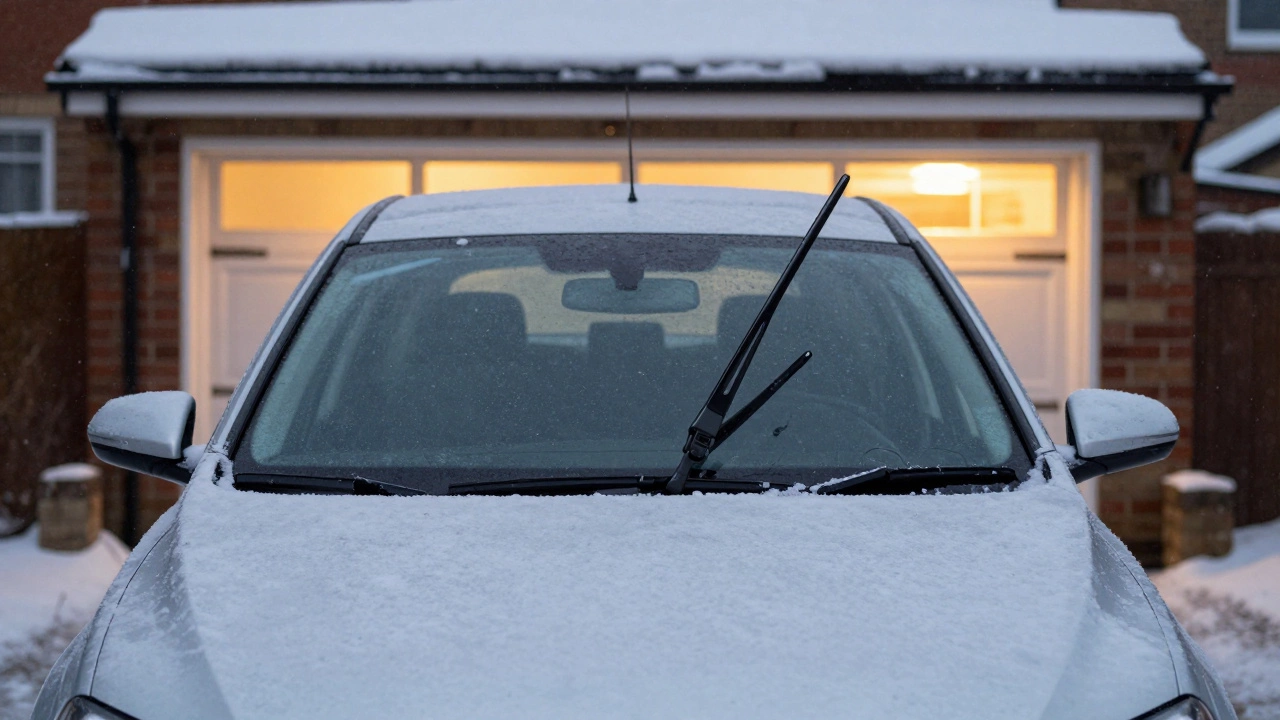
Should Windshield Wipers Be Up or Down in Snow? The Right Way to Protect Your Wipers
Dec 1 2025 / Windscreen WipersLifting your windshield wipers in snow prevents ice damage, saves repair costs, and keeps your vision clear. Learn why this simple habit matters and how to do it right.
VIEW MORE