Wiper Blade Life: How Long Do They Last and When to Replace Them
When your wiper blade life, the period during which windshield wipers effectively clear water, dirt, and snow from your windshield. Also known as wiper blade durability, it’s not just about visibility—it’s about safety. A worn blade doesn’t just streak; it can leave blind spots that turn a light rain into a dangerous drive. Most people think wiper blades last a year. But in the UK, with frequent rain, salty roads, and sudden freezes, they often fail much sooner.
What kills wiper blades faster? It’s not age alone. Sunlight breaks down the rubber, salt from winter roads eats at the frame, and ice freezes the blade to the glass, tearing it when you turn them on. You might not notice until you flick the switch and see streaks, smears, or chattering. That’s your warning. Cheap blades wear out in months. Better ones with a beam design last longer and hold their shape in cold weather. And yes, lifting them before snow helps—but only if you do it right. If you leave them up on a windy night, they can snap back and bend the arms.
Wiper blade life isn’t just about the rubber. It’s tied to the windshield wipers, the entire system that includes the blade, arm, motor, and linkage. A weak arm won’t press the blade evenly. A failing motor might make them move slow or skip. Even the wiper blade replacement, the process of swapping out old blades for new ones. matters—if you bend the arm while installing, you’ll ruin the new blade before it even starts working.
You don’t need to wait for the check engine light. If you hear squeaking, see streaks after a quick wipe, or if the blade leaves a dry patch in the middle of the glass, it’s done. Most experts say replace them every 6 to 12 months. But if you drive daily in bad weather, check them every 3 months. Keep a spare pair in the trunk. Don’t wait for a storm to find out yours are shot.
What you buy matters. Rubber compound, frame design, and even the angle of the blade affect how well it works. Beam blades don’t have metal frames—they’re all rubber and spring-loaded. They hug the curve of modern windshields better and won’t lift in high winds. Traditional ones with metal frames are cheaper but more likely to freeze or warp. And don’t fall for the myth that you need to spend £50 on wipers. Some £15 blades outperform expensive ones if they match your car’s exact fit.
And here’s the thing: your wipers are connected to everything else. A dirty windshield grinds down blades faster. A clogged washer fluid nozzle means you’re wiping dirt instead of cleaning glass. Bad wiper blades put extra strain on the motor, which can burn out. It’s not a small part. It’s a safety system that fails quietly.
Below, you’ll find real advice from drivers who’ve been there—how to tell if your blades are dying, why lifting them in snow isn’t always the answer, what stores actually offer free installation, and which brands hold up in real UK conditions. No fluff. Just what works.
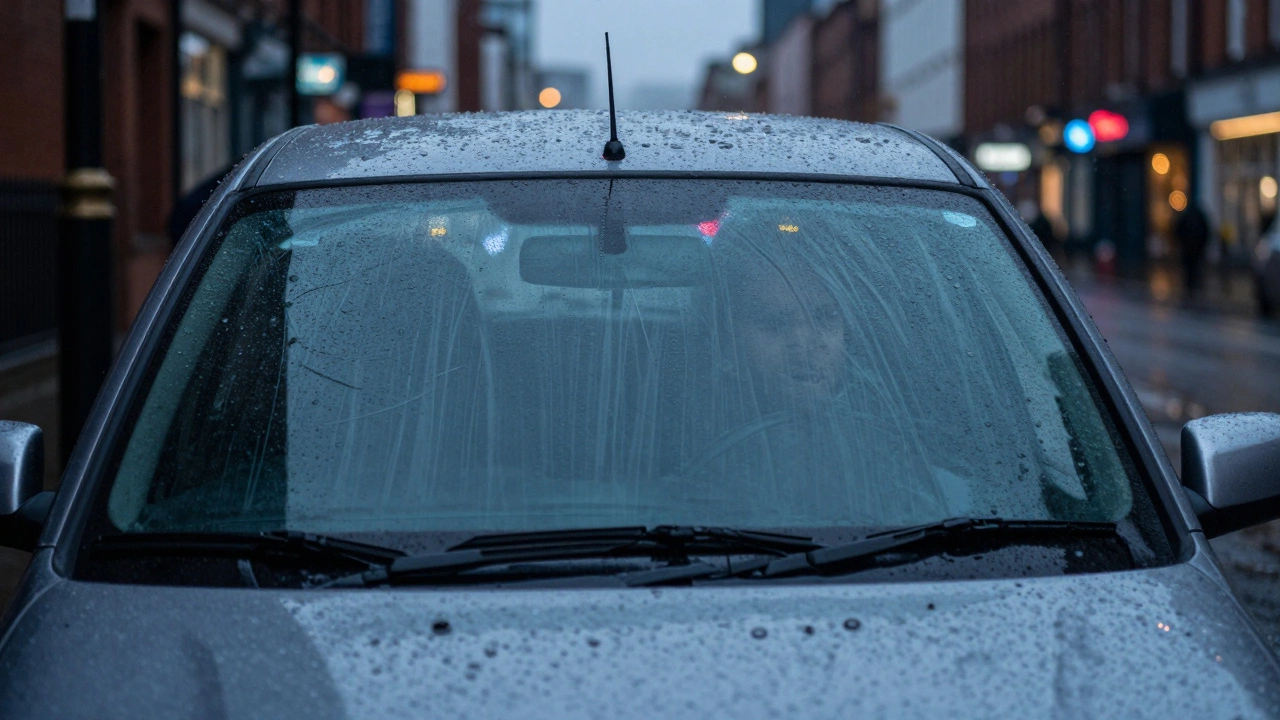
How Often Should I Replace Wiper Blades? A Practical Guide for UK Drivers
Dec 8 2025 / Windscreen WipersWiper blades degrade faster than you think-especially in the UK’s wet climate. Replace them every 6-12 months to avoid streaking, chattering, and dangerous visibility issues. Check them before winter and choose quality blades for better performance.
VIEW MORE