Wiper Blades Replacement: What You Need to Know Before You Buy
When it comes to wiper blades replacement, the process of swapping out worn or damaged windshield wipers to restore clear visibility. Also known as wiper blade installation, it's one of the simplest car maintenance tasks that can make the biggest difference in safety. If your wipers leave streaks, chatter, or skip across the glass, you're not just dealing with an annoyance—you're driving with reduced vision, especially in rain, snow, or fog.
Windshield wipers, the arms and rubber blades that clear water and debris from your front glass. Also known as wiper blades, they're not one-size-fits-all. Different cars need different sizes, shapes, and mounting types. Using the wrong blade can cause uneven pressure, leading to scratches on your windshield or even bent wiper arms, the metal components that hold the blades and apply pressure. Also known as wiper linkage, they’re expensive to fix if damaged by cheap or mismatched blades. And it’s not just about size—material matters. Traditional frame-style blades work fine in mild weather, but beam blades, with their flexible, frameless design, hug the curve of modern windshields better and resist ice buildup in winter.
Many people think wiper blades last a year, but that’s only true if you drive in clean, dry conditions. In the UK, with frequent rain, salt on winter roads, and UV exposure, most blades need replacing every 6 to 9 months. Signs you’re overdue? Smearing instead of wiping, squeaking when they move, or visible cracks and splits in the rubber. A $15 pair of good blades can save you from a £300 windshield repair caused by dried-out rubber scraping glass.
And here’s something most people don’t realize: leaving wipers down in snow can freeze them to the glass. When you turn them on, the motor strains, the linkage bends, and the rubber tears. Lifting them up before a storm isn’t just smart—it’s a cheap way to avoid a bigger problem. But don’t just flip them up and walk away. Make sure they’re not resting on ice or snow, and never force them down if they’re stuck.
When you’re ready for wiper blades replacement, you’ve got options. You can buy them at AutoZone and get them installed for free, or you can do it yourself in under five minutes. Most blades snap into place with a simple hook or pin system—no tools needed. But if you’re unsure which type your car uses, check your owner’s manual or look up the model online. Don’t guess. A wrong fit means poor performance and potential damage.
Don’t forget the rear wiper on SUVs and hatchbacks. It’s often overlooked, but just as critical. And if your car has a heated washer system, make sure the new blades are compatible—some high-end models require special rubber compounds that won’t crack under heat.
What you’ll find below are real, tested insights from drivers who’ve been there. From why beam blades outperform traditional ones in icy conditions, to how AutoZone’s free installation actually works, to the hidden dangers of leaving wipers down in snow. These aren’t theory pieces—they’re practical fixes, backed by experience. Whether you’re fixing a worn blade before a long trip or just tired of streaky vision in the rain, you’ll find exactly what you need to get it right the first time.
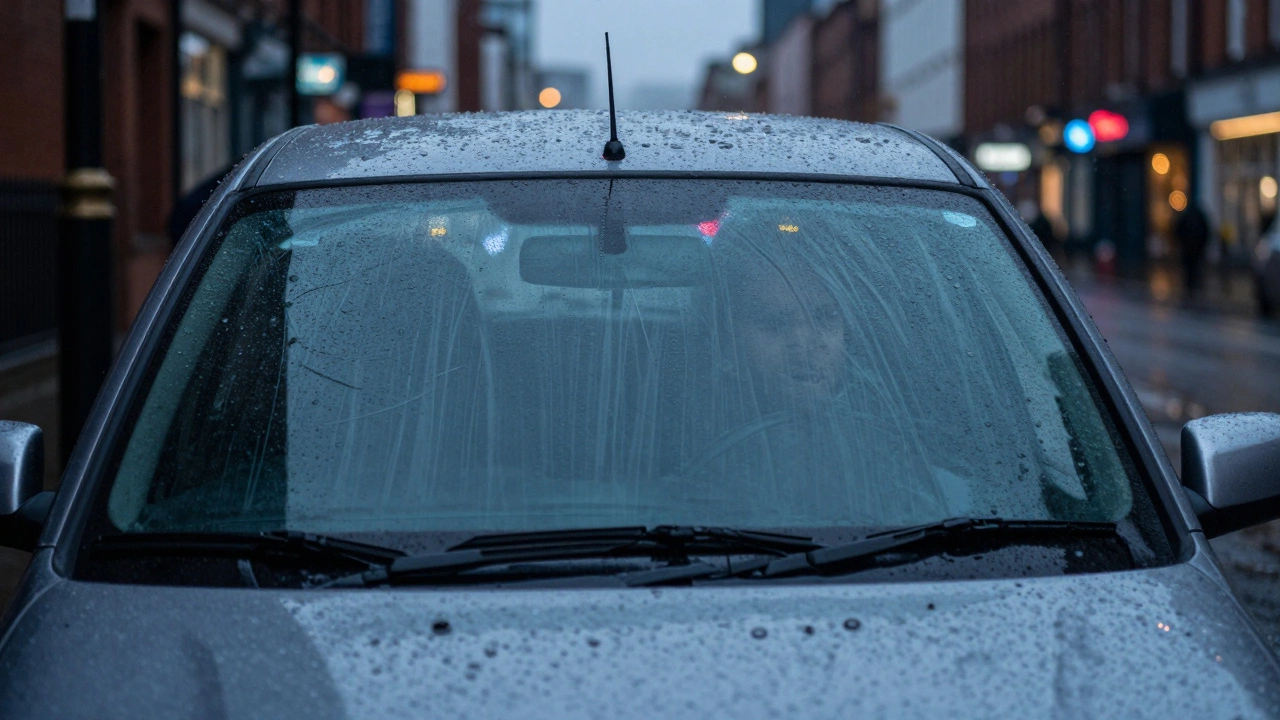
How Often Should I Replace Wiper Blades? A Practical Guide for UK Drivers
Dec 8 2025 / Windscreen WipersWiper blades degrade faster than you think-especially in the UK’s wet climate. Replace them every 6-12 months to avoid streaking, chattering, and dangerous visibility issues. Check them before winter and choose quality blades for better performance.
VIEW MORE