Ever wonder why your car sputters, loses power, or just dies on the road? More often than you think, the culprit isn’t the engine-it’s the fuel pump. Fuel pumps don’t just wear out over time. They get killed by things you can control. And once they go, you’re looking at a costly repair, sometimes over $800, depending on your car. So what actually burns up fuel pumps? Let’s cut through the myths and get straight to the real causes.
Running on Empty
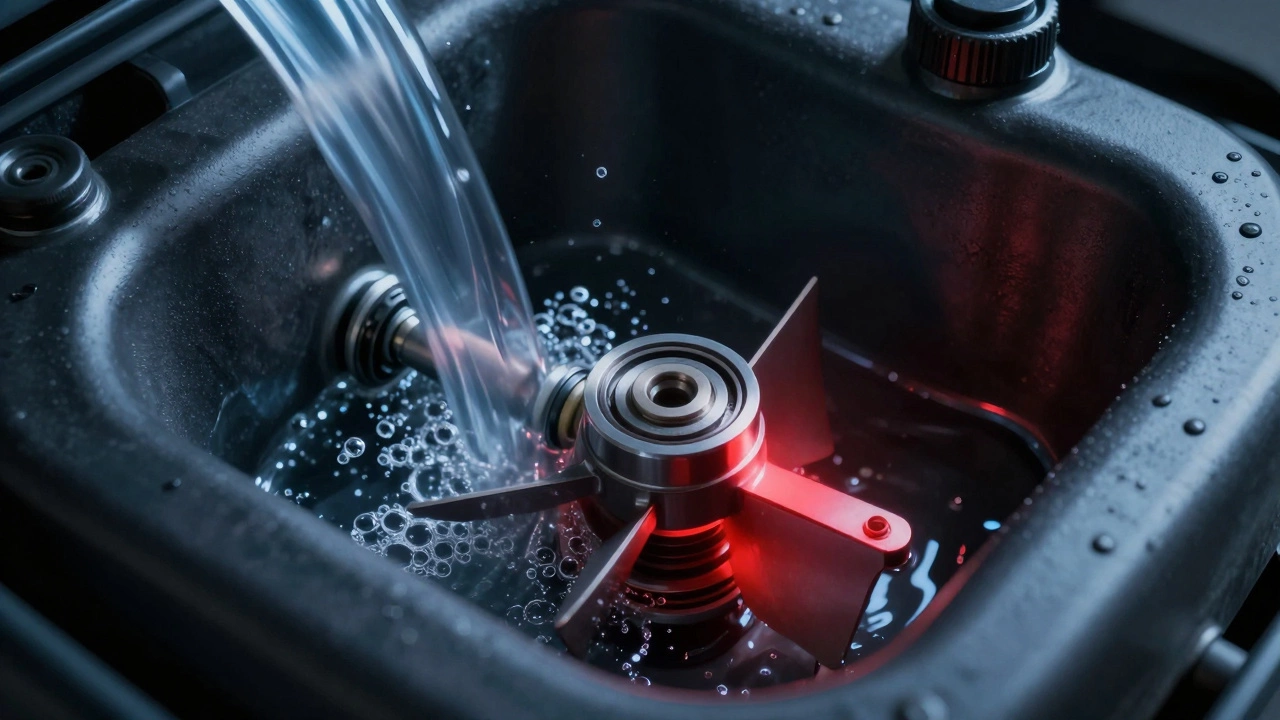
One of the biggest killers of fuel pumps is running your tank too low. Fuel pumps are cooled and lubricated by the gasoline they’re sitting in. When your tank is nearly empty, the pump is exposed to air instead of fuel. That heat builds up fast. Gasoline isn’t just fuel-it’s coolant. Without it, the pump’s internal motor overheats, the bearings wear out, and the impeller starts to warp. A study by the Society of Automotive Engineers found that vehicles regularly driven with less than 1/4 tank had a 60% higher failure rate within 30,000 miles compared to those kept above half-full. It’s not a myth. It’s physics.
Dirty Fuel and Contaminants
Fuel isn’t clean when it leaves the refinery. It picks up dirt, rust, water, and debris as it travels through pipelines and storage tanks. If your fuel filter is old, clogged, or missing, all that junk ends up in your fuel pump. The tiny clearances inside a fuel pump-sometimes smaller than a human hair-get clogged. That forces the pump to work harder. More strain means more heat. More heat means faster wear. I’ve seen pumps fail after just 40,000 miles because the owner never replaced the fuel filter. That filter isn’t optional. It’s the first line of defense.
Using Low-Quality Gas
Not all gas is created equal. Discount stations often sell fuel with fewer detergents and higher levels of contaminants. Some even blend in old or recycled fuel. These fuels leave behind varnish and gum deposits inside the pump. Over time, those deposits stick to the valves and seals, causing them to stick or leak. A fuel pump that leaks internally can’t build proper pressure. The engine starves for fuel, and the pump keeps trying to compensate-until it burns out. Stick to top-tier gasoline brands. They meet stricter standards for cleaning and stability. You pay a few cents more per gallon, but you save hundreds on pump replacements.
Electrical Problems
Fuel pumps run on electricity. If the voltage is too low, the pump struggles to spin fast enough. That’s called “lugging.” It’s like trying to climb a hill in fifth gear. The motor overheats from the extra load. Common causes? A weak battery, corroded connectors, or a failing relay. Even a loose ground wire can cause voltage drops. I’ve pulled apart fuel pumps that looked brand new on the outside, but inside, the windings were fried from chronic under-voltage. Check your wiring. Clean your connectors. Make sure your battery is holding a full charge. A simple multimeter test can catch this before the pump dies.
Wrong Fuel Type
Putting diesel in a gas engine is an obvious mistake. But what about ethanol? Many modern cars run fine on E10 (10% ethanol). But older cars, classic cars, or vehicles not designed for ethanol blends can suffer. Ethanol is a solvent. It breaks down old rubber seals and fuel lines that weren’t built to handle it. Those bits of rubber then float into the fuel pump, clogging filters and jamming the internal valves. If your car is pre-2000, check the owner’s manual. If it says “use unleaded only,” avoid ethanol blends. Even E5 can cause problems in older systems.
Aftermarket Parts and Improper Installation
Not all fuel pumps are made the same. Cheap aftermarket pumps often use inferior materials. The impeller might be made from plastic instead of reinforced nylon. The bearings might be Chinese knock-offs. I’ve seen pumps fail within 10,000 miles because they were bought for $60 instead of $180. And installation matters too. If the pump isn’t seated properly, or the O-rings are damaged, fuel leaks. Air gets in. Pressure drops. The pump works harder. Always use OEM or reputable aftermarket brands. And never reuse old mounting hardware. A new pump deserves a fresh seal and clean connections.
How to Make Your Fuel Pump Last
- Keep your tank at least half full-especially on long trips.
- Replace the fuel filter every 30,000 to 40,000 miles, or as recommended by your manual.
- Use top-tier gasoline. Look for the TOP TIER logo on the pump.
- Check your electrical system: battery, alternator, wiring, and ground connections.
- Avoid ethanol blends if your car is older than 2000.
- Never install a cheap, unbranded fuel pump. Stick to Denso, Bosch, or OEM.
Early Warning Signs You’re About to Lose Your Fuel Pump
- Engine sputters at high speeds or under load
- Car struggles to start, especially when hot
- Loss of power when accelerating or climbing hills
- Whining noise coming from the fuel tank area
- Check engine light with codes like P0190 or P0087 (fuel pressure issues)
If you notice any of these, don’t wait. A failing fuel pump can leave you stranded. And the longer you drive with a weak pump, the more damage you do to the rest of the fuel system.
What Happens When It Dies?
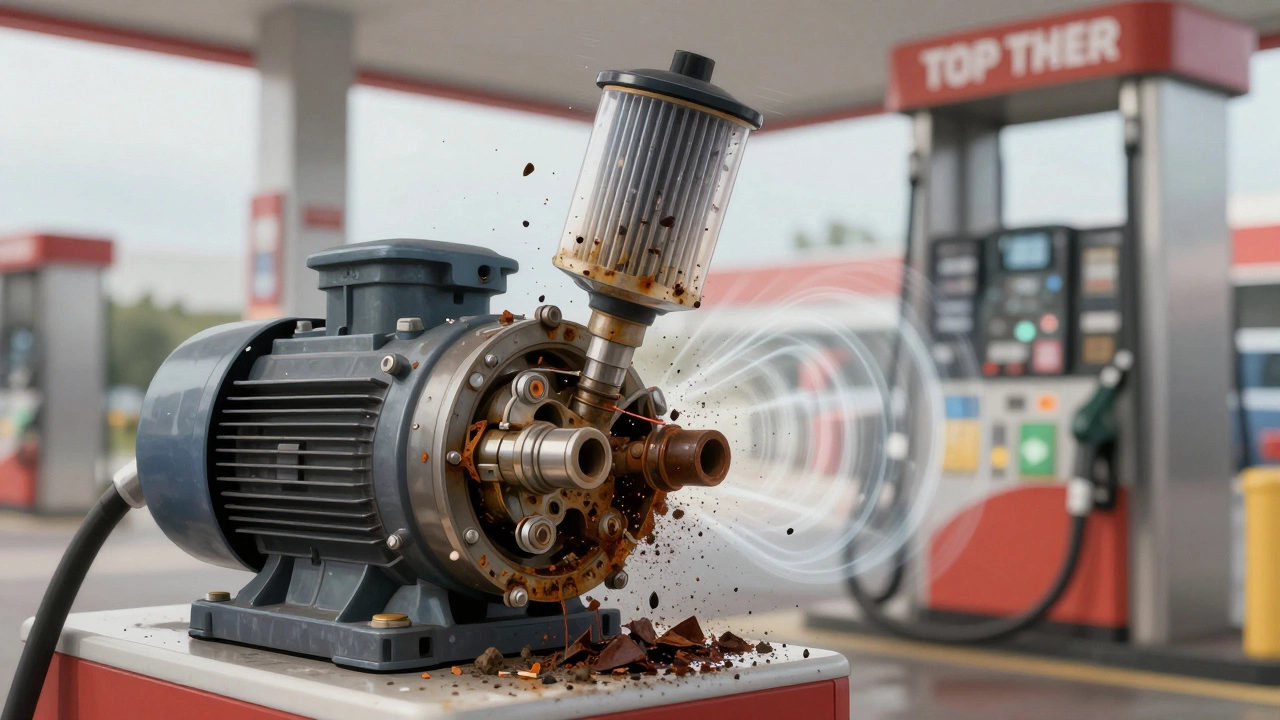
When a fuel pump finally gives out, it doesn’t just stop working. It often leaves debris behind. Metal shavings. Plastic fragments. Sludge. That junk flows into your fuel injectors, fuel rails, and even the engine itself. Replacing the pump alone won’t fix the problem. You may need to flush the entire fuel system, clean or replace injectors, and sometimes even replace the fuel lines. That’s why prevention is cheaper than repair.
| Failure Cause | How It Damages the Pump | Prevention Tip |
|---|---|---|
| Running on empty | Overheats motor due to lack of cooling | Keep tank above half full |
| Dirty fuel | Clogs internal passages, increases strain | Replace fuel filter every 30k-40k miles |
| Low-quality gas | Leaves varnish and deposits on valves | Use TOP TIER gasoline only |
| Electrical issues | Causes motor to lug and overheat | Test battery voltage and clean connections |
| Ethanol blends | Dissolves old seals and creates debris | Avoid ethanol if car is pre-2000 |
| Cheap aftermarket pumps | Poor materials fail faster | Use OEM or Bosch/Denso |
Final Thought
Fuel pumps aren’t designed to last forever-but they should last as long as your engine. Most modern pumps are built to go 100,000 miles or more. But that only happens if you treat them right. They’re not a mystery. They’re a simple system: fuel in, electricity on, air out. Break any one of those three, and you break the pump. Keep your tank full. Use good gas. Change the filter. Check the wiring. That’s it. No magic. No expensive gadgets. Just smart, simple habits.
Can a bad fuel filter cause fuel pump failure?
Yes, absolutely. A clogged fuel filter forces the pump to work harder to push fuel through. This extra strain generates more heat and wears out the motor faster. Many fuel pump failures are actually caused by neglected fuel filters. Replace the filter regularly-it’s the cheapest way to protect your pump.
Is it worth spending more on an OEM fuel pump?
Yes, if you want it to last. OEM pumps are made to the exact specifications of your car’s engine. Aftermarket pumps, especially cheap ones, often use inferior materials like plastic impellers or weak bearings. I’ve seen OEM pumps last 150,000 miles. Cheap ones fail before 40,000. The price difference is usually $100-$150. That’s cheaper than a tow and a rental car.
Can water in fuel burn up a fuel pump?
Water doesn’t burn up the pump directly, but it causes serious indirect damage. Water promotes rust inside the tank and fuel lines. Rust particles then get sucked into the pump, clogging filters and scoring internal parts. Water can also freeze in cold weather, blocking fuel flow and causing the pump to overwork. Always use fuel with moisture inhibitors, and keep your tank full in winter to reduce condensation.
Why does my fuel pump make a whining noise?
A whining noise usually means the pump is struggling. It could be low fuel, a clogged filter, or an electrical issue like low voltage. It could also mean the pump’s internal bearings are wearing out. If the noise is new and getting louder, don’t ignore it. Test your fuel pressure. A failing pump often drops pressure before it dies completely.
Do fuel pumps fail suddenly or gradually?
Most fail gradually. You’ll notice symptoms like hesitation, hard starts, or loss of power before the pump dies completely. But sometimes, especially with electrical failures or debris jams, they fail suddenly. That’s why paying attention to early warning signs is crucial. Don’t wait for the car to stop moving.
Next Steps
If your fuel pump has already failed, don’t just replace it and call it done. Flush the fuel tank. Replace the fuel filter. Clean the fuel injectors. Check all electrical connections. A new pump won’t last if the rest of the system is still contaminated. Prevention is always cheaper than repair. And in this case, it’s also simpler.