Fuel Pump Failure Symptom Checker
- Difficulty Starting Engine Cranks but won't catch
- Loud Whining/Humming Noise From rear/trunk
- Loss of Power Under Load Hills/Acceleration
- Engine Stalling at Speed While driving
- Dies After Warming Up Heat sensitivity
- Check Engine Light On Codes P0087/P0088
Assessment Result
Recommended Actions:
Your car is moving along the motorway, and suddenly it sputters. You press the accelerator, but instead of power, you get a rough cough from the engine before it dies completely. It’s a stressful moment, especially if you’re stuck in traffic or far from home. While there are many reasons an engine might stop, one of the most common culprits is a failing fuel pump. This small but vital component works tirelessly to move gasoline from your tank to the engine. When it gives up, your car stops running period.
You might wonder why this happens so abruptly. Often, it isn’t sudden at all. A bad fuel pump usually sends warning signs days or even weeks before total failure. Recognizing these early symptoms can save you from being stranded on the side of the road. Let’s look at exactly what happens inside your vehicle when the fuel pump starts to fail and how you can spot the trouble before it becomes a major breakdown.
The Role of the Fuel Pump in Your Engine
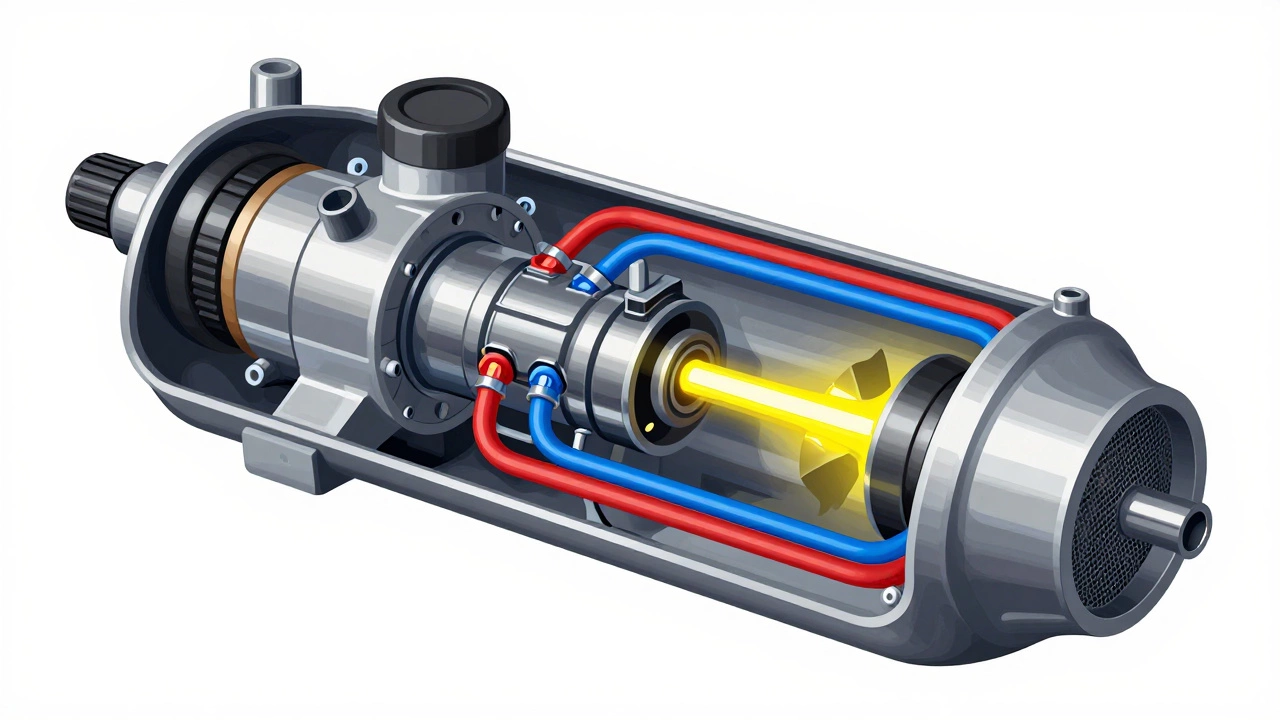
To understand the symptoms, you first need to know what the fuel pump actually does. In modern cars, the electric fuel pump is typically located inside the fuel tank. Its job is simple but critical: it creates pressure to push fuel through the lines to the engine injectors. Without this pressure, the injectors cannot spray the fine mist of gasoline needed for combustion.
Think of it like a garden hose. If the tap (the pump) loses pressure, water still comes out, but it’s weak and inconsistent. In your car, that inconsistency means the engine doesn’t get the right air-fuel mixture. The result is poor performance, stalling, or a complete refusal to start. Most modern pumps are designed to last between 80,000 and 100,000 miles, but heat, debris, and low fuel levels can shorten their lifespan significantly.
Early Warning: Difficulty Starting the Engine
One of the first signs that your fuel pump is struggling is trouble starting the car. You turn the key, and the engine cranks normally-the starter motor is working fine-but the car refuses to catch. You might hear a faint humming sound from the back of the car, which is the pump trying to prime itself, but it lacks the strength to build enough pressure.
This symptom often gets worse when the engine is hot. As the metal components expand with heat, a worn-out pump may struggle to maintain flow. If you find yourself needing to crank the engine multiple times, especially after sitting in traffic or on a warm day, suspect the fuel delivery system. It’s not always the pump; it could be a clogged filter or a faulty sensor, but the pump is a prime suspect.
The Loud Whining Noise from the Trunk
If your car starts making a loud whining or humming noise coming from the rear, pay attention. A healthy fuel pump makes a quiet, steady hum that you barely notice. A failing pump, however, often develops worn bearings or damaged impellers. These mechanical issues create friction and vibration, resulting in a high-pitched whine that increases as you accelerate.
This noise is distinct from other engine sounds because it originates near the fuel tank, usually under the rear seat or in the trunk area. If you hear this whine while driving, it indicates the pump is working harder than it should to maintain pressure. Ignoring this sound often leads to total failure within a few hundred miles. It’s a clear signal that internal wear has begun.
Sudden Loss of Power Under Load
Have you ever been climbing a steep hill or merging onto a highway when your car suddenly feels sluggish? You press the gas pedal, expecting a surge of power, but the engine hesitates or bogs down. This is a classic sign of insufficient fuel pressure. When you demand more power, the engine requires more fuel. A weak pump cannot deliver the extra volume quickly enough, causing a lean condition where there’s too much air and not enough fuel.
This symptom is particularly dangerous because it can happen at any speed. Unlike starting problems, which occur when stationary, loss of power happens while driving. It can feel similar to a transmission issue or a turbocharger problem, but if the check engine light isn’t on, and the issue worsens with sustained acceleration, the fuel pump is likely the cause.
Engine Stalling at High Speeds
In severe cases, a bad fuel pump will cause the engine to stall completely while driving. This usually happens at higher speeds or under heavy load. The pump simply cannot keep up with the demand, and fuel flow drops below the minimum required for combustion. The engine cuts out, and you lose power steering and brake assist.
If this happens, pull over safely immediately. Do not try to restart the car repeatedly, as this can damage the starter motor or drain the battery. Once stopped, the pump may cool down slightly and allow you to restart, but it will likely stall again soon. This is a critical failure mode that requires immediate attention. Driving a car with a intermittently failing pump is risky and unpredictable.
The Car Dies After Warming Up
Another common pattern is the car running fine when cold but dying once the engine reaches operating temperature. Heat affects electrical components and fluid viscosity. As the fuel pump motor heats up, its resistance increases, reducing its efficiency. Simultaneously, fuel vaporizes more easily in a hot engine bay. A weak pump struggles to push this vaporized fuel, leading to vapor lock or simple starvation.
If your car runs smoothly in the morning but stalls during your commute or after a long drive, this thermal sensitivity points directly to the fuel pump or the fuel pressure regulator. Mechanics often test this by spraying carburetor cleaner into the throttle body while the engine is running; if the engine revs up briefly, it confirms a fuel delivery issue rather than an ignition problem.
Check Engine Light and Diagnostic Codes
Modern vehicles have sophisticated sensors that monitor fuel pressure and oxygen levels in the exhaust. When the fuel pump fails to deliver consistent pressure, the engine control unit (ECU) detects an imbalance. This triggers the Check Engine Light. Common diagnostic trouble codes (DTCs) associated with fuel pump issues include P0087 (Fuel Rail/System Pressure Too Low) and P0088 (Fuel Rail/System Pressure Too High).
While these codes don’t guarantee a bad pump-they could also indicate a clogged filter or a faulty pressure sensor-they are strong indicators. Ignoring these codes can lead to further damage. Running the engine lean due to low fuel pressure can cause overheating and potentially damage the catalytic converter, which is far more expensive to replace than a fuel pump.
| Symptom | Severity Level | Typical Cause |
|---|---|---|
| Difficulty Starting | Moderate | Worn pump motor or clogged inlet screen |
| Loud Whining Noise | Moderate to High | Damaged bearings or impeller |
| Loss of Power Under Load | High | Inadequate fuel volume delivery |
| Stalling at High Speed | Critical | Total pump failure or electrical disconnect |
| Dies When Hot | High | Thermal overload or vapor lock |
Why Does the Fuel Pump Fail?
Fuel pumps don’t just die without reason. Several factors contribute to premature failure. One of the biggest enemies is running the tank low. The fuel pump relies on surrounding gasoline to cool itself. If you frequently drive until the reserve light comes on, the pump runs dry and overheats, shortening its life. Another factor is contamination. Dirt and debris in the tank can clog the pump’s intake screen or wear down the internal components.
Electrical issues also play a role. A failing relay or corroded connector can send inconsistent voltage to the pump, causing it to run erratically or burn out. Additionally, aftermarket modifications like larger injectors or performance chips increase fuel demand beyond the original pump’s capacity, leading to stress and eventual failure.
Diagnosing the Problem
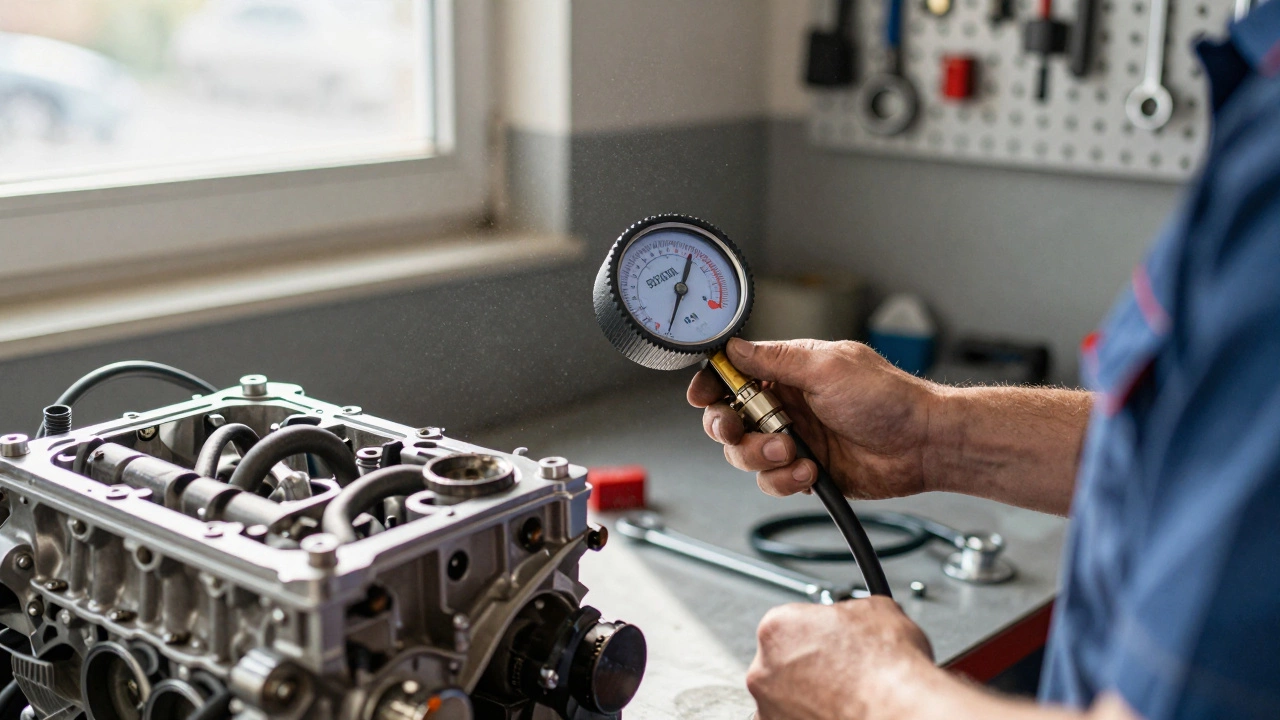
If you suspect a bad fuel pump, diagnosis involves checking fuel pressure. Mechanics use a gauge connected to the fuel rail to measure pressure at idle and under load. If the pressure is below the manufacturer’s specification, the pump is likely weak. They may also listen to the pump with a stethoscope or perform a voltage drop test on the wiring harness.
Replacing a fuel pump is not overly complex, but it requires care. Because it’s located in the fuel tank, safety precautions are essential to avoid sparks or fires. It’s also wise to replace the fuel filter and strainer at the same time, as they work together to ensure clean fuel delivery.
How much does it cost to replace a fuel pump?
The cost varies depending on the vehicle make and model. For most standard cars, parts and labor typically range from £300 to £600. Luxury vehicles or those with difficult-to-access tanks may cost upwards of £800. DIY replacement can save on labor if you have the tools and safety knowledge.
Can I drive my car with a bad fuel pump?
It is not recommended. A failing fuel pump can cause sudden stalling, especially at high speeds or intersections, creating a significant safety hazard. It can also lead to engine damage due to lean running conditions. You should address the issue immediately.
Does a bad fuel pump trigger the check engine light?
Yes, it often does. The engine computer monitors fuel pressure and oxygen levels. If the pump delivers inconsistent fuel, the ECU records error codes related to fuel trim or pressure, triggering the light. However, some early-stage failures may not trigger the light until the problem is severe.
How long does a fuel pump last?
Most fuel pumps are designed to last between 80,000 and 100,000 miles. However, this lifespan can be reduced by frequent low fuel levels, contaminated fuel, or excessive heat. Regular maintenance and keeping the tank above a quarter full can help extend its life.
What is the difference between a fuel pump and a fuel pressure regulator?
The fuel pump moves fuel from the tank to the engine, creating pressure. The fuel pressure regulator maintains that pressure at a constant level, returning excess fuel to the tank if necessary. A failing regulator can mimic pump symptoms, such as poor acceleration or stalling, but the root cause is different.