Radiator Replacement Calculator
Find out if your vehicle uses a traditional radiator or modern cooling system based on its year. This calculator is based on trends discussed in our article about the evolution of vehicle cooling systems.
For over a century, the car radiator was the heart of every engine’s cooling system. It was the chunky, finned metal box under the hood, connected to hoses, constantly working to keep the engine from melting down. But today? If you drive a new car off the lot, there’s a good chance you won’t find one at all. Not because they broke, or because mechanics stopped fixing them - but because the entire system around them has changed.
What Even Is a Radiator?
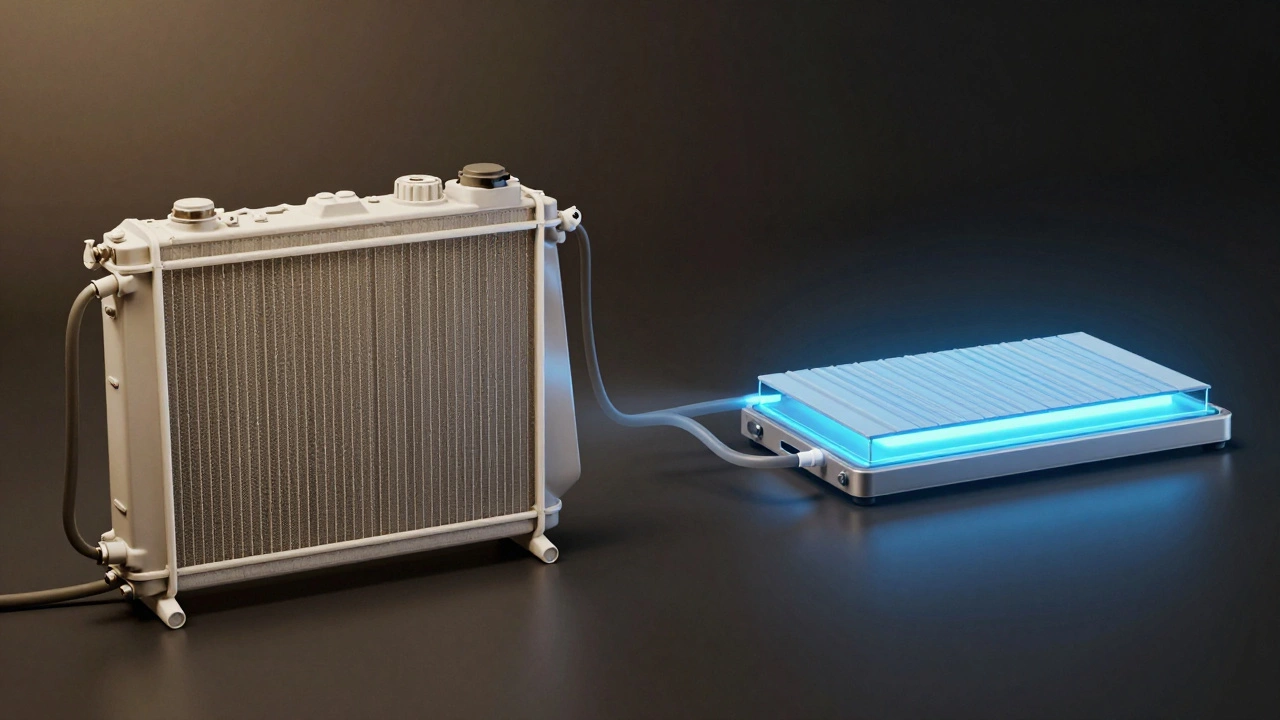
A traditional radiator is a heat exchanger. Hot coolant from the engine flows into it, and air - either from driving or a fan - pulls heat out. The cooled liquid then loops back. Simple. Reliable. But it only works if you have a liquid-cooled internal combustion engine. And that’s where things started to shift.
The Rise of Electric Vehicles
By 2025, over 45% of new cars sold in the UK were electric. That’s not a slow trend - it’s a full-on pivot. And electric motors don’t generate nearly as much waste heat as gasoline engines. A typical EV motor runs at 90% efficiency. Gas engines? Barely 30%. That means less heat to manage. So why lug around a heavy radiator, coolant reservoirs, and pumps just to handle a few extra degrees?
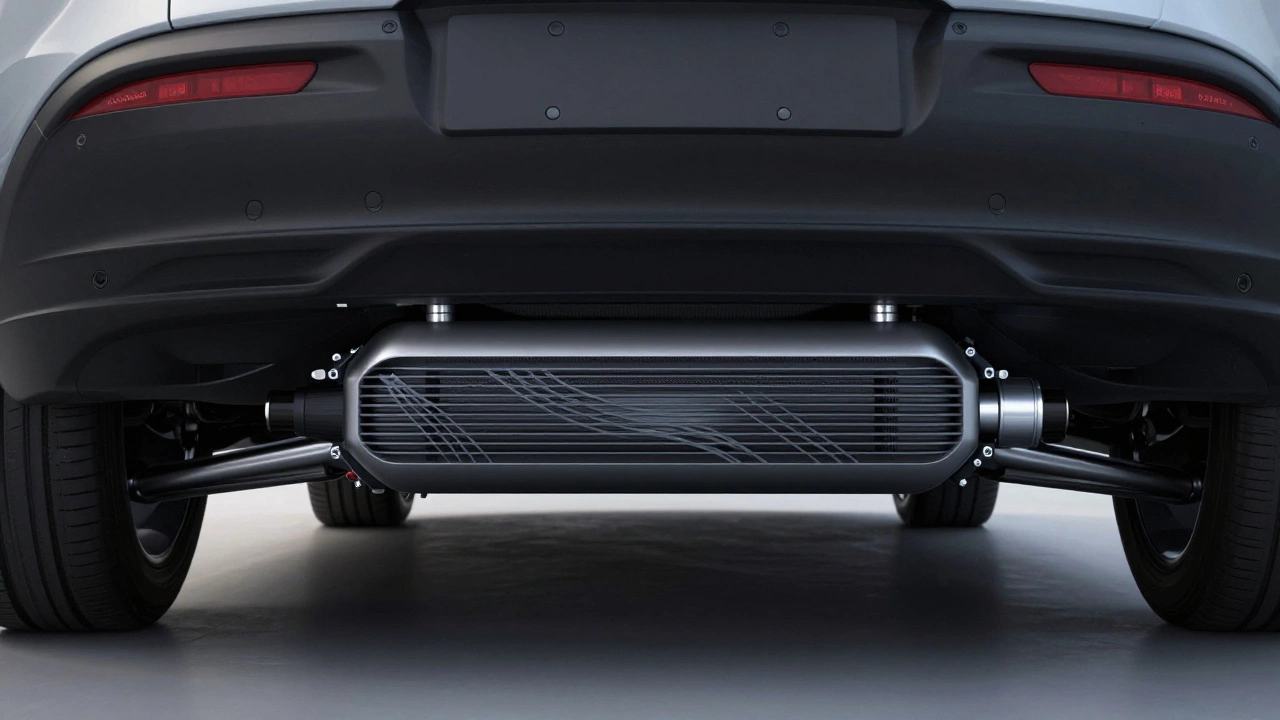
Instead, modern EVs use direct air cooling or small, low-power liquid loops. Some, like the Tesla Model Y, use a single compact heat exchanger that cools the battery and power electronics with a single loop. No radiator. No expansion tank. No 15-year-old hoses that crack and leak. Just a quiet, lightweight system that does the job without the bulk.
Engine Design Changed Too
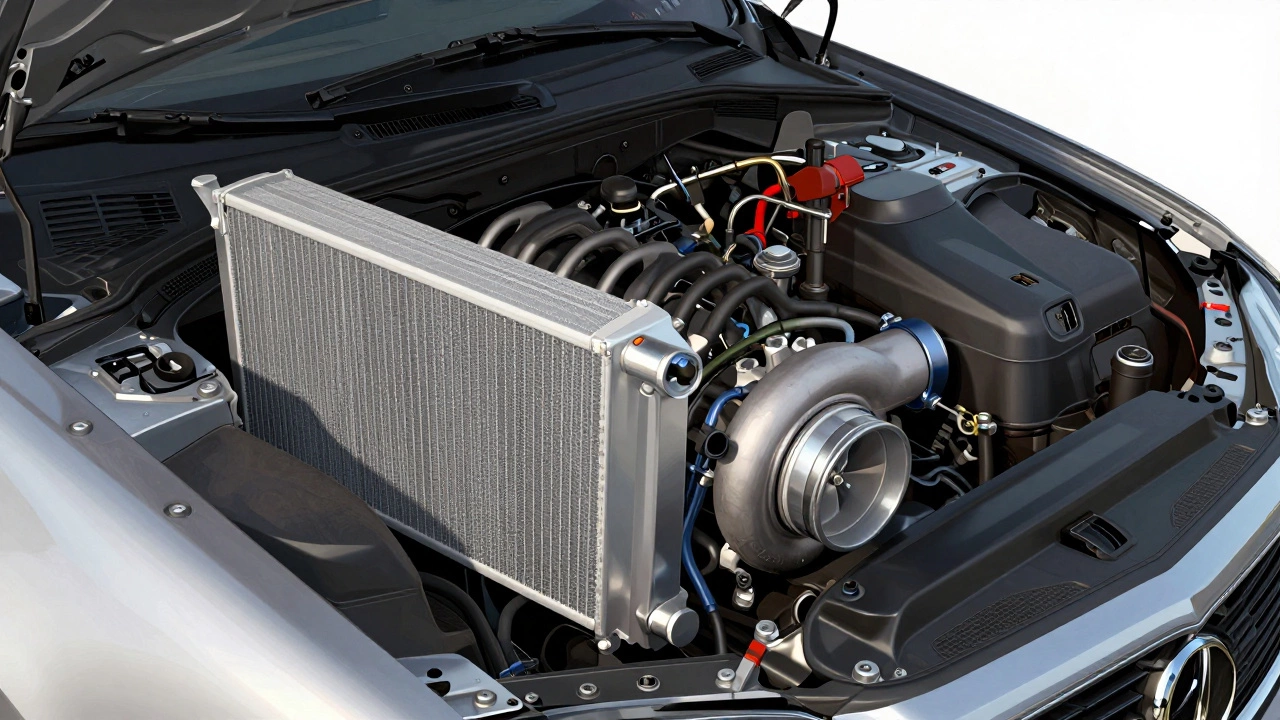
Even in gas-powered cars, radiators are getting smaller. Modern turbocharged engines run hotter but more efficiently. Automakers now use compact, high-efficiency heat exchangers that combine functions. A single unit might cool the engine, the transmission oil, and the turbocharger - all in one. These are often mounted sideways or under the car, not up front.
Look under the hood of a 2024 Toyota Camry or Ford Focus. The radiator is still there, but it’s 30% smaller than the one in a 2005 model. Why? Because airflow is now managed better. Active grilles open only when needed. Fans are smarter. And materials like aluminum and composite plastics let engineers build lighter, more efficient units.
Cost and Complexity Are the Real Enemies
Every extra part in a car adds cost, weight, and failure points. A radiator needs hoses, clamps, a thermostat, a water pump, and a coolant reservoir. All of those can leak, corrode, or break. In 2023, the National Highway Traffic Safety Administration reported that 12% of all engine-related breakdowns were linked to cooling system failures - mostly radiator hoses or leaks.
Manufacturers don’t want that. They want fewer parts. Fewer recalls. Fewer warranty claims. So they’re replacing the old radiator setup with integrated systems. Some new hybrids use a heat pump system that actually pulls warmth from the battery to heat the cabin. No separate heater core. No radiator dependency.
What About Older Cars?
Don’t panic - your 2010 Honda Civic still needs a radiator. And if it’s leaking or overheating, you’ll still need to replace it. The change isn’t about killing radiators overnight. It’s about phasing them out in new designs. By 2030, most new gas cars will have smaller, smarter cooling systems. And by 2035, the UK plans to ban new petrol and diesel cars entirely. That means the traditional radiator is on its way out - not because it failed, but because the whole game changed.
What Replaced It?
It’s not one thing. It’s a mix:
- Direct air cooling - used in some EV battery packs. Fans blow air over metal plates.
- Integrated thermal loops - single fluid circuits that cool multiple components.
- Heat pumps - move heat instead of just removing it. They’re more efficient and can warm the cabin using waste heat from the battery.
- Phase-change materials - advanced gels and waxes that absorb heat without needing fluid.
These systems are quieter, lighter, and more reliable. They don’t need to be refilled. They don’t freeze in winter. And they don’t leak.
Will You Ever Need to Replace a Radiator Again?
If you own a car made before 2020, yes - you absolutely will. But if you’re buying new in 2026? You might never need to. Your car’s cooling system won’t be something you check during service. It’ll be built into the battery pack or power electronics. Maintenance? Just check the software for thermal alerts. No hoses. No coolant levels. No pressure caps.
That’s not a bad thing. It means fewer breakdowns. Fewer roadside repairs. Fewer expensive fixes. And for drivers, that’s a win.
What’s Next?
By 2030, you’ll likely see cars with no front grille at all. Not because they’re ugly - but because they don’t need to pull in air. The cooling is handled internally. The radiator, as we knew it, is becoming a relic. Not because it was bad. But because better solutions arrived.
The car isn’t dying. It’s just getting smarter.