Radiator Health & Risk Assessor
Select any issues you are currently experiencing:
Estimated Repair Cost Range
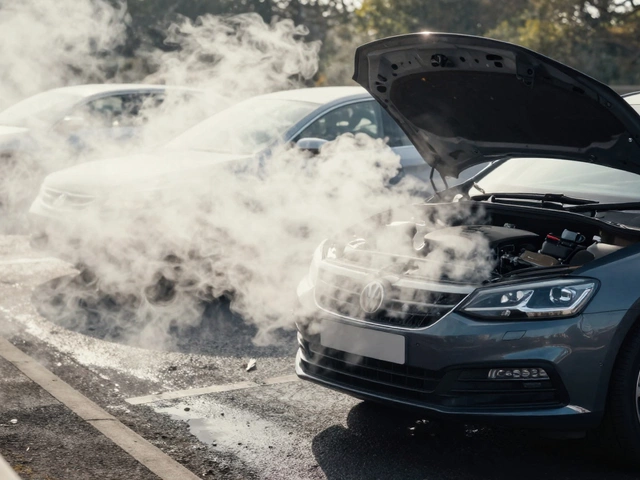
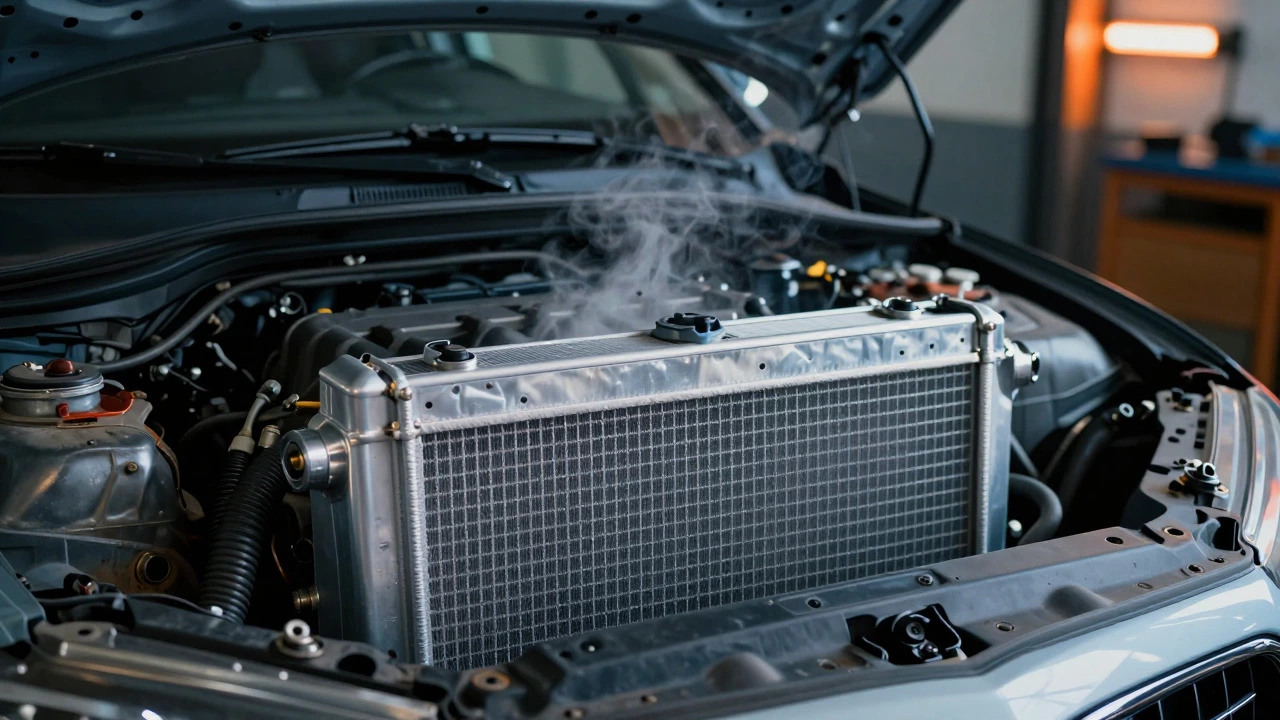
Your car's engine runs hot. That’s normal. But when the temperature gauge creeps into the red zone or steam rises from under the bonnet, you know something has gone wrong. Most of the time, the culprit is the car radiator is a heat exchanger that transfers heat from the engine coolant to the air, keeping the engine at a safe operating temperature. It’s not just a box of tubes; it’s the critical component that prevents your engine from seizing due to extreme heat.
So, why does this vital part eventually fail? It’s rarely one single event. Instead, it’s usually a combination of age, neglect, and environmental factors that slowly degrade the system. Understanding these causes can help you spot trouble early and avoid expensive engine repairs down the line.
The Silent Killer: Corrosion and Sludge Buildup
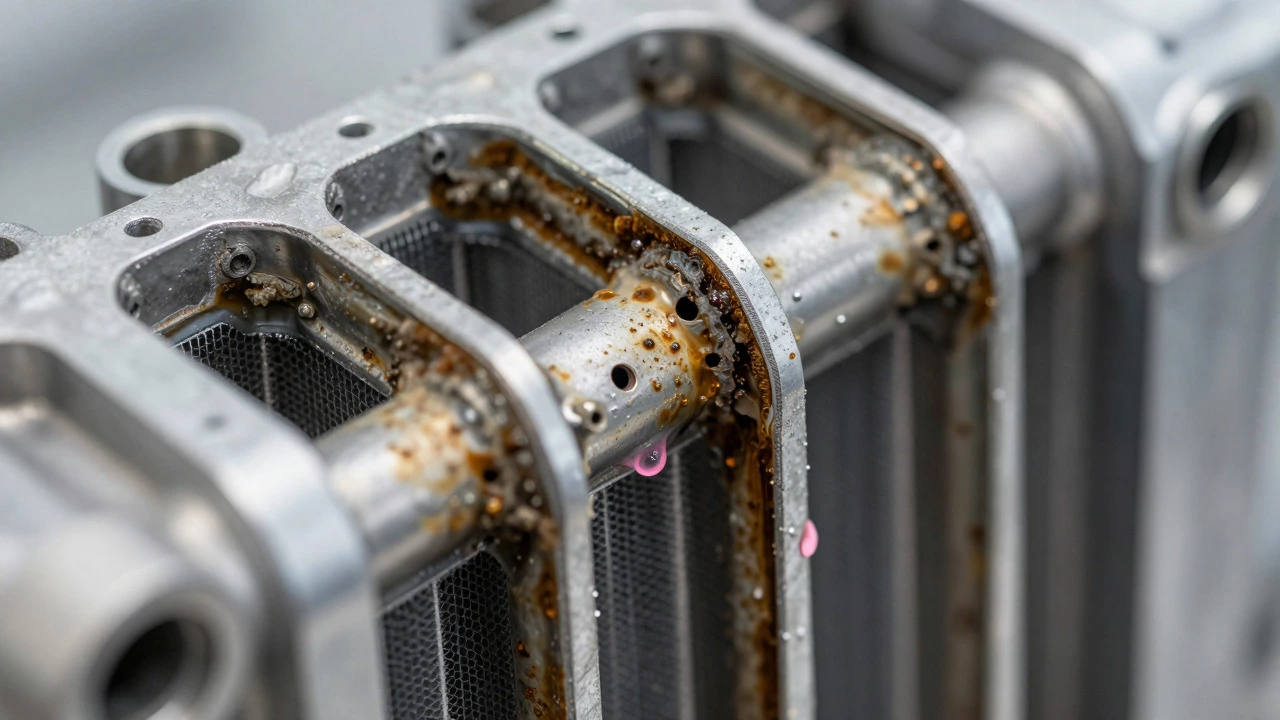
If you look inside an old radiator, you might see a brownish, sludge-like substance clinging to the fins. This isn’t dirt; it’s corrosion. Modern cars use a mixture of water and ethylene glycol-based coolant. Over time, the chemical additives in this fluid break down. When they do, the coolant loses its ability to protect metal surfaces from rust.
Once protection fails, the aluminum core of the radiator begins to corrode from the inside out. This creates tiny pinholes that leak coolant. More dangerously, the corrosion products turn into sludge. This sludge clogs the narrow passages between the fins, restricting airflow and reducing the radiator’s efficiency. You might not notice a leak immediately, but you will notice the engine running hotter than usual because the heat can't escape efficiently.
Physical Damage: Hitting the Road Hard
Radiators are mounted at the very front of the vehicle, right behind the grille. This makes them the first line of defense against debris on the road. A single large rock kicked up by another car can puncture a fin or crack the plastic end tanks. Even small pebbles can cause micro-fractures over time.
Plastic end tanks are particularly vulnerable. They expand and contract with temperature changes. After several years of thermal cycling, these plastic sections can become brittle and crack. If you hear a ticking sound coming from the front of the car while driving, it could be a cracked tank expanding and contracting. Check for wet spots on the ground where you park; that’s often the first sign of a physical breach.
Coolant Quality Matters More Than You Think
Many drivers assume that as long as the coolant level is correct, the job is done. However, the *type* of coolant matters significantly. Using the wrong type-such as mixing different brands or colors-can cause chemical reactions that accelerate corrosion. For example, mixing organic acid technology (OAT) coolants with traditional silicate-based ones can create gel-like deposits that block flow.
Furthermore, using plain water instead of proper coolant is a common mistake. Water boils at 100°C, but modern engines operate well above that temperature under pressure. Without the boiling point elevation provided by glycol, the coolant can boil over, causing pressure spikes that blow gaskets or rupture hoses. Always check your owner’s manual for the specific coolant specification recommended by your manufacturer.
Signs Your Radiator Is Failing
You don’t need a mechanic to diagnose a failing radiator. Pay attention to these warning signs:
- Overheating: The most obvious sign. If the temperature gauge stays high even after idling, the cooling system isn’t working properly.
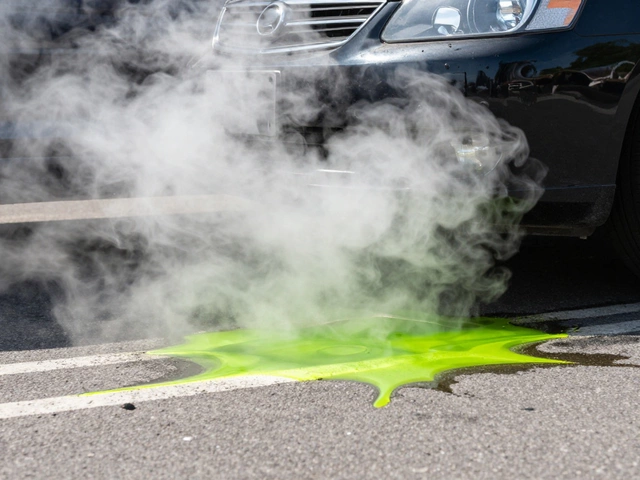
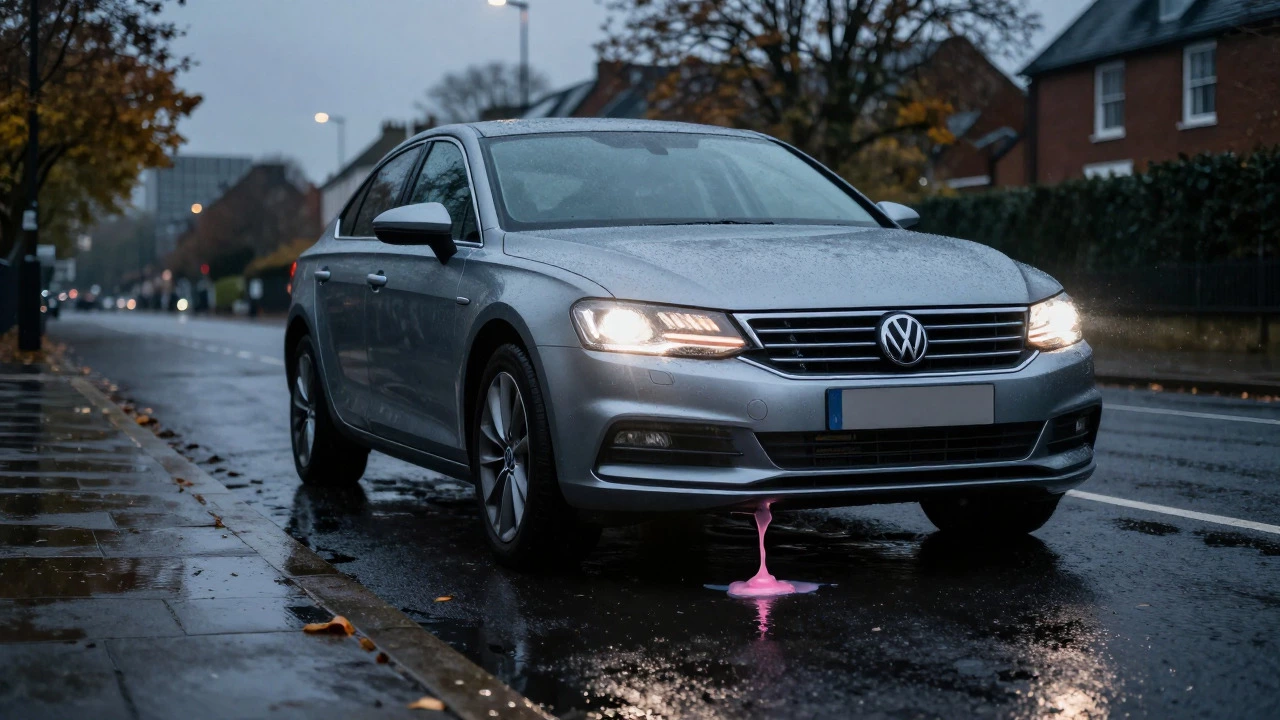
- Coolant Leaks: Look for pink, green, or orange fluid under your car. Also, check the reservoir level frequently. If it drops without visible external leaks, you may have an internal leak into the engine cylinders.
- White Smoke: If you see white, sweet-smelling smoke from the exhaust, coolant might be burning in the combustion chamber due to a blown head gasket caused by overheating.
- Milky Oil: Check your oil dipstick. If the oil looks like chocolate milk, coolant has mixed with the engine oil. This is a serious issue requiring immediate attention.
How Long Does a Radiator Last?
There is no fixed lifespan for a car radiator. Some last 10 years; others fail in 5. Factors like driving conditions, climate, and maintenance history play huge roles. In harsh winters with salt on the roads, corrosion happens faster. In hot climates, the thermal stress on plastic components is higher.
As a rule of thumb, if your car is over 8-10 years old and hasn’t had a full cooling system flush, the risk of radiator failure increases significantly. Regular maintenance extends life far more than waiting for a breakdown.
Prevention: Simple Steps to Extend Life
You can dramatically extend the life of your radiator with basic care. Here’s what works:
- Flush the System Regularly: Every 2-3 years or according to manufacturer guidelines, drain and replace the coolant. This removes old sludge and restores protective chemicals.
- Check Levels Monthly: Ensure the reservoir is topped up with the correct coolant mixture. Never add plain water unless in an emergency.
- Inspect for Damage: Periodically look at the radiator fins. Use compressed air gently to clean dust and bugs from the fins, ensuring good airflow.
- Replace Hoses Early: Rubber hoses degrade before radiators do. Replacing them proactively prevents leaks that put extra strain on the system.
When to Replace vs. Repair
Can you repair a radiator? Sometimes. Small leaks in plastic tanks can be welded or patched temporarily. Core damage can sometimes be brazed. However, these are often stopgap measures. If the core is corroded or there are multiple leaks, replacement is the only reliable fix.
A new aftermarket radiator typically costs between £150 and £400 depending on the car model, plus labor. Labor rates vary, but expect to pay around £60-£90 per hour for a mechanic. Total cost including parts and labor often ranges from £300 to £700. Compare this to the cost of engine repair from overheating, which can easily exceed £2,000. Investing in a new radiator is far cheaper than saving the engine.
| Failure Cause | Symptoms | Typical Solution | Prevention Tip |
|---|---|---|---|
| Corrosion/Sludge | Gradual overheating, low coolant level | Full system flush or replacement | Use correct coolant, flush every 2-3 years |
| Physical Damage | Visible leaks, ticking noises | Repair or replacement | Drive carefully, inspect after hitting potholes |
| Clogged Fins | High temp in traffic, normal on highway | Clean fins with compressed air | Regular cleaning of radiator surface |
| Failed Fan | Overheating at idle or low speed | Replace fan motor or relay | Test fan operation during service |
Frequently Asked Questions
Can I drive with a leaking radiator?
Only for short distances to a repair shop. Keep an eye on the temperature gauge. If it rises, pull over safely. Driving with low coolant risks severe engine damage. Carry a jug of coolant or water for emergencies.
What color should my coolant be?
It depends on the brand and type. Common colors are green, pink, orange, or blue. Don’t mix colors. Check your owner’s manual for the specific specification. The color indicates the additive package, not just dye.
How much does it cost to replace a car radiator in the UK?
Parts cost between £150 and £400. Labor adds another £150 to £300 depending on the complexity of access. Total cost usually falls between £300 and £700. Independent garages are often cheaper than main dealers.
Does a bad radiator affect fuel economy?
Yes. An inefficient radiator forces the engine to work harder to maintain optimal temperature. The engine management system may adjust timing and fuel mixture, leading to slightly higher fuel consumption. It’s a minor effect but noticeable over time.
Should I use distilled water or tap water in my radiator?
Always use pre-mixed coolant or mix concentrate with distilled water. Tap water contains minerals that contribute to scale and corrosion. Distilled water is free of these impurities, protecting the aluminum and copper components in your cooling system.