Engine Oil Level Simulator
Click the dipstick or use buttons below to adjust oil level.
Why does this matter?
- Below MIN: Risk of engine seizure due to lack of lubrication.
- Between MIN/MAX: Safe operating range.
- Above MAX: Crankshaft hits oil, causing foaming, pressure loss, and potential seal damage.
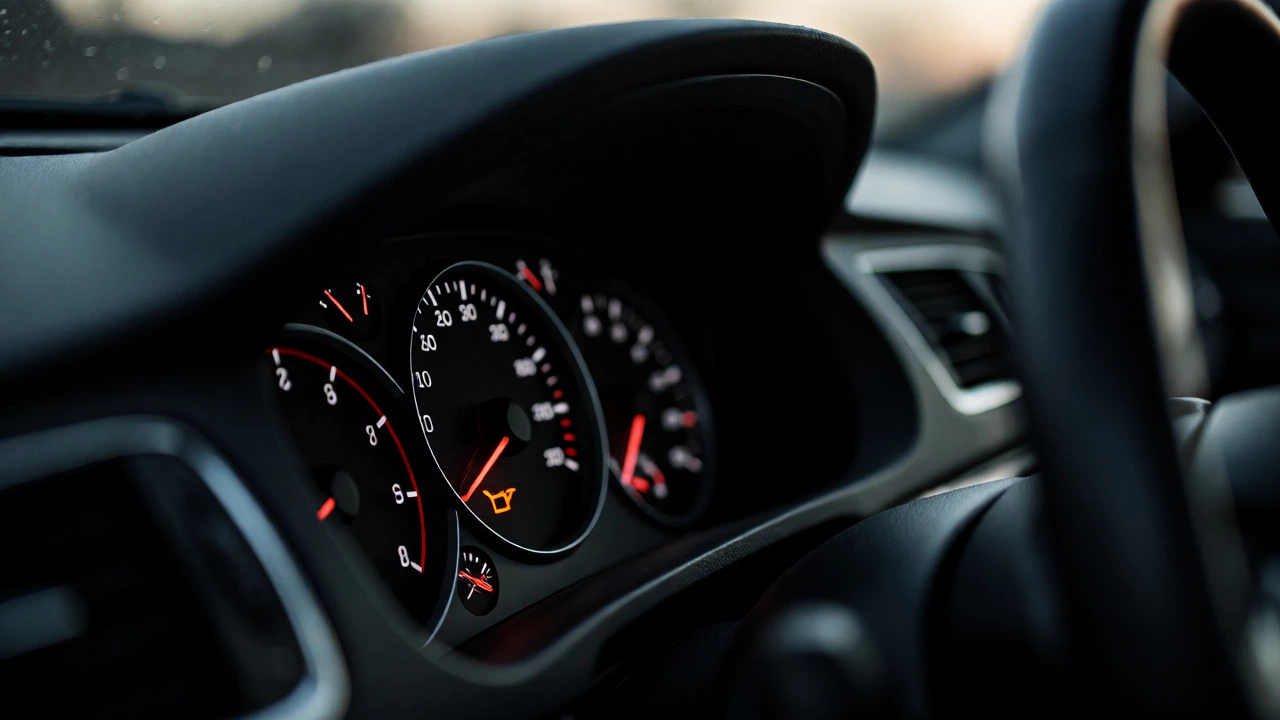
You're driving along, maybe heading out for a weekend trip from Manchester, and that little orange oil can icon pops up on your dashboard. Panic sets in. Is the engine about to seize? Do you need to call a tow truck immediately? Or can you just stop at the next petrol station, buy a bottle of engine oil, and pour it in?
The short answer is yes, you absolutely can add oil if it’s low. In fact, topping up is often the smartest first move before spending hundreds at a garage. But there are right ways and wrong ways to do it. Pouring the wrong fluid or overfilling the sump can cause more headaches than the initial low-level warning. Let’s walk through exactly how to handle this situation safely, what to look for, and when you really should worry.
Understanding Why Your Oil Level Drops
Before you grab the dipstick, it helps to know why the level is down in the first place. Engine oil isn’t consumed like fuel, but it does disappear over time. This happens for a few reasons. Some engines, particularly high-performance ones or older models with higher mileage, naturally burn small amounts of oil during combustion. This is normal wear and tear. The piston rings allow tiny amounts of oil to slip past into the combustion chamber, where it gets burned off.
Then there are leaks. You might have a slow drip from the oil pan gasket, the valve cover, or even the drain plug. If you notice dark puddles under your car after parking overnight, that’s a leak. While adding oil fixes the immediate symptom, it doesn’t solve the leak. You’ll just be refilling the bucket with a hole in the bottom.
Step-by-Step: How to Check and Top Up Correctly
Accuracy matters here. If you check the oil while the engine is hot and running, you’ll get a false reading because most of the oil is still circulating through the engine block rather than resting in the sump.
- Park on level ground: Never check or add oil on a slope. Gravity affects the level in the sump, leading to inaccurate readings.
- Let the engine cool: Wait at least 10-15 minutes after turning off the ignition. This allows the oil to drain back into the oil pan.
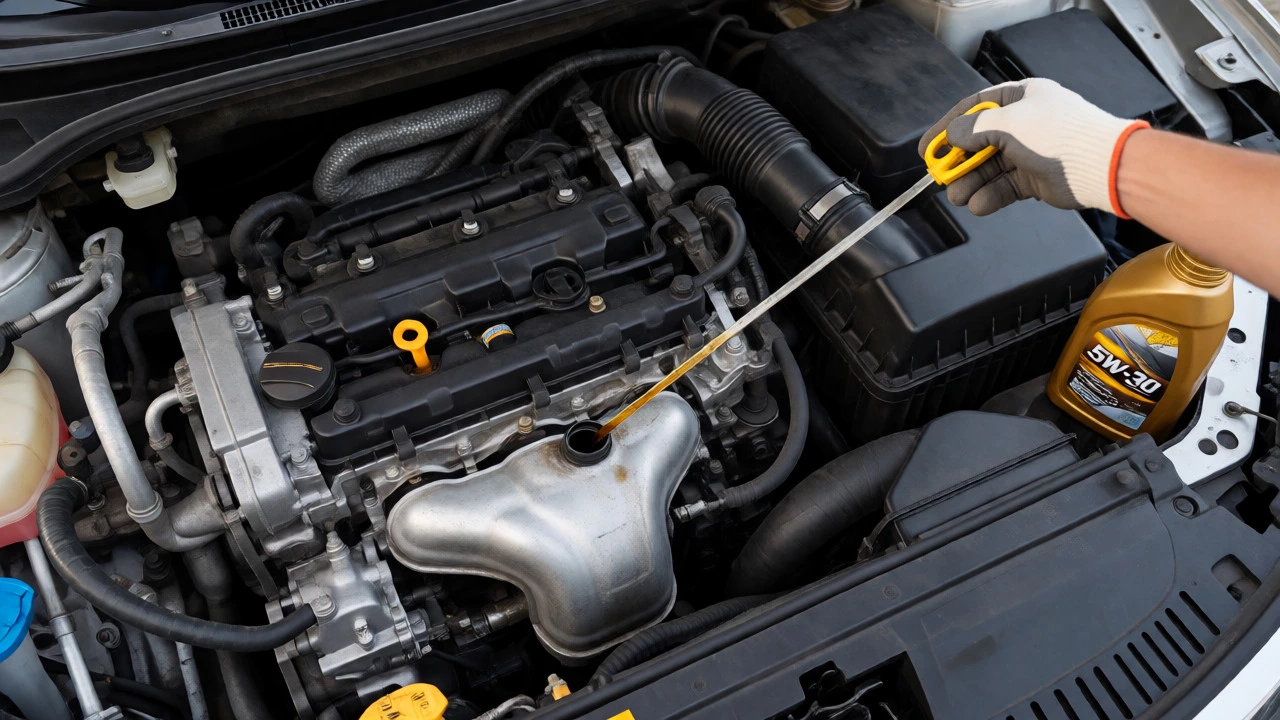
- Locate the dipstick: It usually has a yellow or orange loop handle. Pull it out, wipe it clean with a rag, reinsert it fully, and pull it out again to read the level.
- Read the marks: Most dipsticks have two markers: “MIN” (or a dot) and “MAX” (or a cross/hole). If the oil film is below the MIN mark, you need to add oil. If it’s between MIN and MAX, you’re fine.
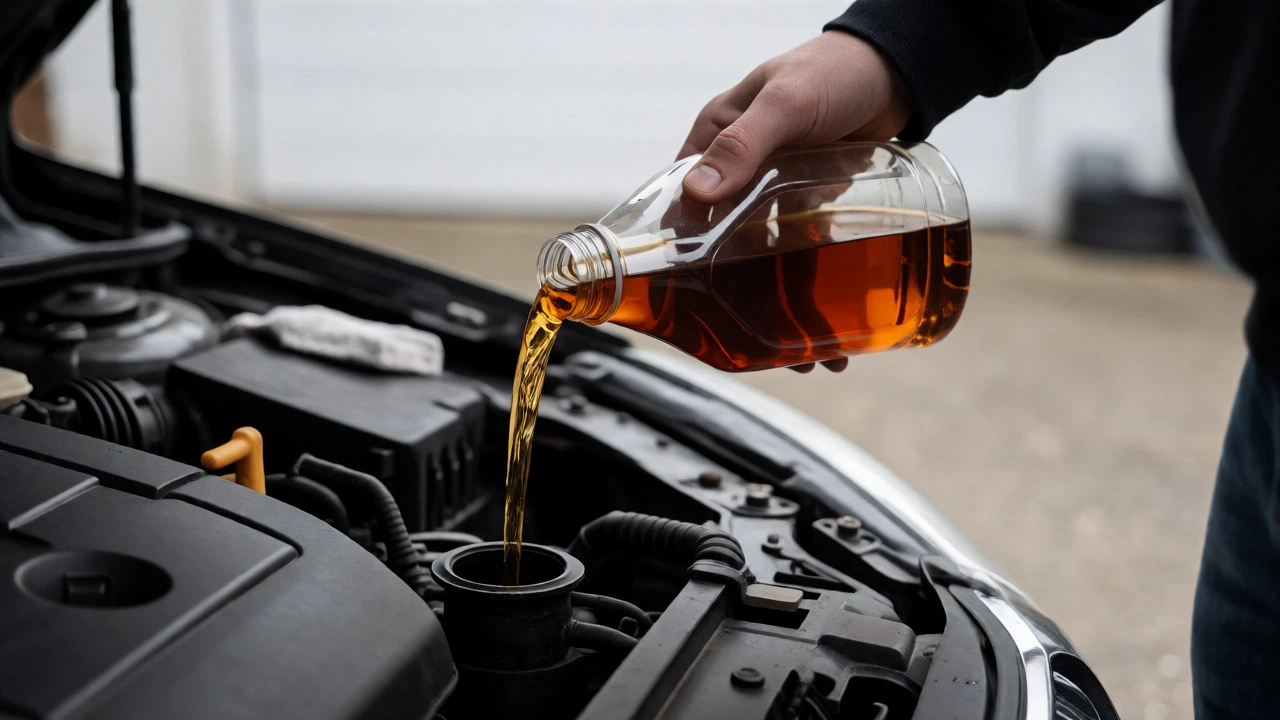
- Add oil slowly: Remove the oil filler cap on top of the engine. Pour in small amounts-about 0.5 litres (roughly half a standard UK bottle) at a time. Wait a minute for it to settle, then check the dipstick again.
It takes far less effort to add more oil than it does to suck excess oil out if you overfill. Patience saves you money.
Choosing the Right Oil: Don't Guess
This is where many people go wrong. They grab whatever is cheapest or whatever they had left in the garage. Your engine manufacturer specifies a particular viscosity grade, such as 5W-30 or 0W-20. Using the wrong thickness can affect lubrication, especially in cold starts or under heavy load.
Check your owner’s manual or the sticker inside the driver’s door jamb. It will list the recommended specification, often denoted by standards like ACEA C3 or API SP. If you can’t find the manual, many modern cars also display the required oil spec on the oil filler cap itself. Mixing different brands is generally fine as long as the viscosity and specifications match. However, mixing synthetic and mineral oils isn’t ideal, though rarely catastrophic in an emergency. Stick to full synthetic if your car requires it.
| Viscosity Grade | Best For | Climate Suitability |
|---|---|---|
| 0W-20 | Modern hybrid/electric-assist engines | Cold winters, fuel efficiency focus |
| 5W-30 | Most European petrol/diesel cars | Versatile, good for UK weather |
| 10W-40 | Older vehicles, high mileage | Warmer climates, worn engines |
The Dangers of Overfilling
You might think, “If some oil is good, more must be better.” Wrong. Overfilling the crankcase causes serious problems. When the oil level gets too high, the rotating crankshaft dips into the oil pool. This whips the oil into a frothy foam, similar to shaking a bottle of soda.
Foamy oil doesn’t pump well. Your oil pressure sensor might show erratic readings, and the engine may starve for proper lubrication despite having plenty of fluid. Worse, the excess pressure can force oil past the seals, causing leaks, or push oil into the intake manifold via the PCV system, leading to blue smoke from the exhaust and fouled spark plugs. If you’ve overfilled, don’t drive long distances. Have a mechanic drain the excess or use a suction pump to remove it.
When Topping Up Isn’t Enough
Topping up is a temporary fix, not a substitute for a service. If you find yourself adding oil every week or two, something is wrong. Normal consumption might see you lose 0.5 litres every 1,000 miles in a high-mileage diesel, but losing a litre every month suggests a significant issue.
Watch for these red flags:
- Blue smoke from the exhaust: Indicates burning oil due to worn piston rings or valve stem seals.
- Milky residue on the oil cap: Could mean coolant is mixing with oil, pointing to a head gasket failure.
- Oil pressure light stays on: Even after topping up, if the light persists, your oil pump or pickup screen might be clogged or failing.
If the oil looks black and gritty when you check it, it’s degraded. Fresh oil is amber or brownish. Black oil means contaminants are present, and topping up dilutes them slightly but doesn’t clean them out. At this point, you need a full oil change and filter replacement.
Emergency Tips for Roadside Topping Up
If you’re stranded on the motorway near Manchester and only have access to a generic petrol station oil, here’s how to survive until you reach a garage:
- Match the viscosity: If your car needs 5W-30 and they only have 10W-40, it’s okay for a short distance. Just get it changed properly soon.
- Avoid “top-up” additives: Unless specified by the manufacturer, avoid thick seal conditioners or heavy additives in an emergency. They can clog narrow oil galleries in modern turbocharged engines.
- Keep a spare bottle: Smart drivers keep a 1-litre bottle of their specific oil spec in the boot. It costs £10-£15 and saves you from buying overpriced, potentially mismatched oil at a service station.
Final Thoughts on Maintenance
Adding oil is a simple task that empowers you to take control of your vehicle’s health. It prevents engine damage caused by running dry, which can cost thousands in repairs. But remember, oil levels drop for a reason. Use the dipstick regularly-at least once a month-and investigate persistent drops. Treat your engine oil as the lifeblood of your car; keeping it topped up and fresh ensures smooth running for years to come.
Can I mix different types of engine oil?
Yes, you can mix different brands of engine oil as long as they have the same viscosity grade (e.g., both 5W-30) and meet the same performance specifications (e.g., both ACEA C3). However, try to stick to one brand for consistency. Mixing synthetic and mineral oils is generally safe for short periods but isn't recommended for long-term use.
How much oil should I add if it's low?
Add oil gradually. Start with 0.5 litres (half a typical UK bottle), wait a minute, and check the dipstick. Repeat until the level reaches the 'Max' mark. Never fill above the Max line, as overfilling can cause engine damage through foaming and increased pressure.
Is it bad to drive with low oil?
Driving with oil slightly below the minimum mark is usually fine for short distances, but it increases wear. If the oil light comes on, stop immediately. Running without sufficient oil can lead to catastrophic engine failure within minutes due to lack of lubrication and overheating.
Why does my oil level drop so quickly?
Rapid oil loss usually indicates a leak or excessive consumption. Common causes include a leaking oil pan gasket, worn valve stem seals, or damaged piston rings allowing oil to enter the combustion chamber. High-mileage engines naturally consume more oil, but sudden changes warrant a professional inspection.
Can I use any oil in an emergency?
In an absolute emergency, using a different viscosity grade is better than running without oil. However, ensure it is automotive engine oil, not hydraulic or gear oil. Get a proper oil change as soon as possible to restore the correct lubrication properties and protect your engine warranty.