Clutch Replacement Cost & Difficulty Estimator
| Item | DIY Cost | Professional Cost |
|---|---|---|
| Total Estimated | £0 | £0 |
There is a specific moment in every car owner's life when the clutch pedal starts to feel like they are pushing on a sponge. The gears grind, the RPMs climb, but the car barely moves. You know what it is. It’s time for a new clutch kit, which is a set of parts including the friction disc, pressure plate, and release bearing that transfers engine power to the transmission. The immediate question hits you: Can I replace my clutch myself, or should I just pay the dealer?
The short answer is yes, but with significant caveats. For a front-wheel-drive hatchback with an accessible engine bay, it is a manageable weekend project for someone with basic mechanical skills. For a rear-wheel-drive vehicle or one with complex underbody components, it becomes a multi-day job requiring specialized tools. Understanding the difference between these two scenarios is the first step to deciding if your garage setup can handle the task.
Why Clutch Replacement Is Different From Other Repairs
Most car repairs involve swapping out a single component. Brake pads, air filters, and spark plugs are isolated tasks. A clutch job is different because it requires removing the entire transmission from the vehicle. This means you aren't just replacing a part; you are disassembling a major section of the drivetrain. If you have never removed a gearbox before, this is where the difficulty spikes.
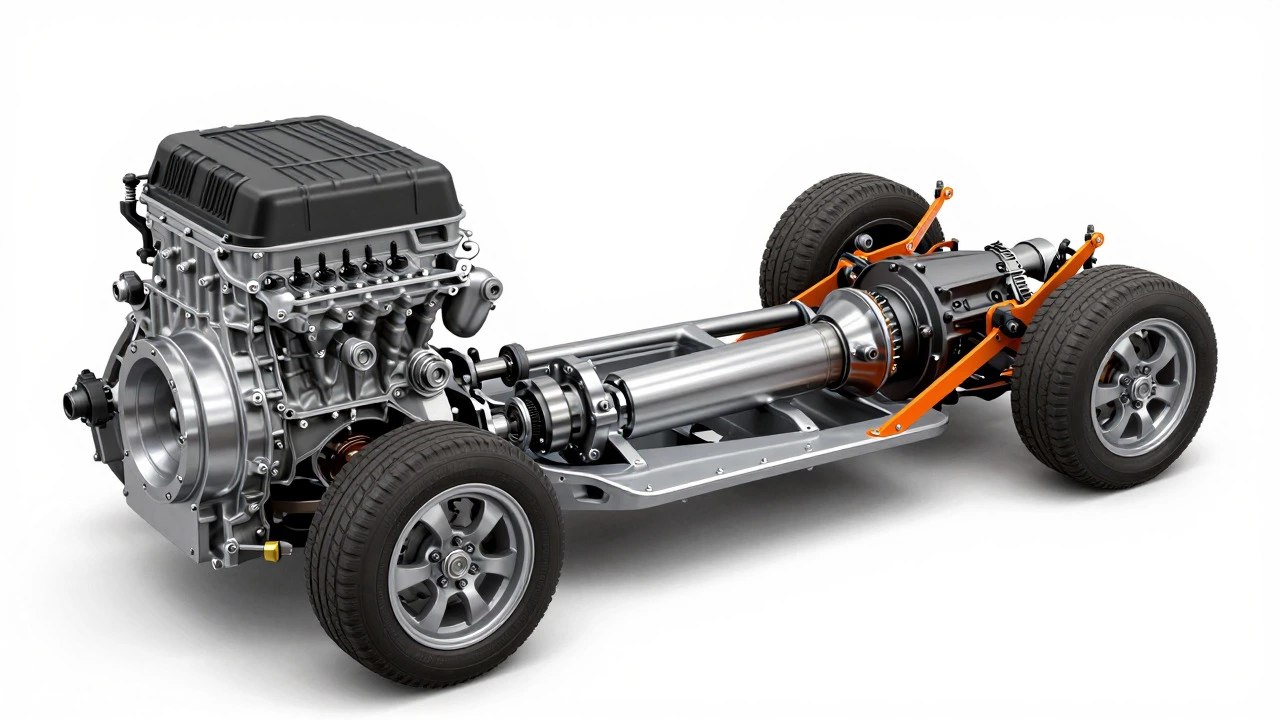
The complexity depends heavily on your car's layout. In a front-wheel-drive (FWD) car, the engine and transmission sit side-by-side at the front. To access the clutch, you usually need to lift the car, remove the driveshafts, and then pull the transmission forward. In a rear-wheel-drive (RWD) car, the engine and transmission are aligned in a line. Often, you can drop the engine and transmission assembly together as one unit, which is actually easier than separating them. However, RWD cars often have heavier transmissions, making lifting more dangerous without proper equipment.
You also need to consider the condition of surrounding parts. When you open up the bell housing, you will see the flywheel. On modern cars, this is often a dual-mass flywheel (DMF), which dampens vibrations. If the DMF is worn, it must be replaced alongside the clutch kit. Replacing a DMF is significantly harder than a standard solid flywheel because it requires precise balancing and torque specifications. Ignoring this can lead to shuddering and premature failure of your new clutch.
Tools and Equipment You Actually Need
Before you buy the parts, check your tool inventory. A standard socket set and ratchet won't cut it. You need specific hardware to hold heavy components securely. Here is the non-negotiable list:
- Engine Support Bar: This is critical. Once you unbolt the transmission, the engine will tilt. Without support, it can fall onto the subframe or damage wiring. A simple engine stand or a support bar attached to the chassis saves hours of frustration.
- Transmission Jack: While you can sometimes lower a transmission by hand, a jack makes the process safer and smoother. It allows you to position the gearbox precisely before bolting it back in.
- Clutch Alignment Tool: When reinstalling the clutch disc, it needs to be perfectly centered on the input shaft. An alignment tool ensures this. Some mechanics use a long screwdriver, but a dedicated tool is safer and faster.
- Torque Wrench: Transmission bolts require specific torque values. Overtightening can strip threads in the aluminum casing; undertightening leads to leaks. Always use a calibrated wrench.
- Hydraulic Press (Optional but Recommended): If you are replacing the release bearing or trying to separate the pressure plate from the old disc, a press helps. You can rent one from auto parts stores if you don't own one.
If you lack any of these, factor in the rental cost. A transmission jack might cost £30-£50 per day to rent. If you only need it for one day, it's worth it compared to the risk of dropping a 150kg gearbox on your foot.
Step-by-Step: The Core Process
While every car is slightly different, the general workflow follows a logical sequence. Skipping steps is the fastest way to get stuck halfway through the job.
- Preparation: Disconnect the battery negative terminal. Drain the transmission fluid if your car uses ATF (automatic-like manual transmissions) or CVT fluid. For traditional manuals, draining isn't always necessary unless the dipstick is located near the bell housing.
- Remove Driveshafts and Axles: On FWD cars, unbolt the outer wheel bearings and inner axle nuts. Pull the axles out of the transmission case. Cap the openings to keep debris out.
- Unbolt the Transmission: Remove all bolts connecting the transmission to the engine block. There are usually 4-8 main bolts plus smaller ones for the oil pan or mounts. Keep track of which bolt goes where using zip ties or a labeled tray.
- Support and Lower: Attach the engine support bar. Unbolt the transmission mounts. Carefully lower the transmission using the jack. Have a helper watch the alignment so you don't bend the input shaft.
- Access the Clutch: With the transmission out, you can now see the clutch assembly. Remove the bolts holding the pressure plate to the flywheel. Take out the old disc, pressure plate, and release bearing.
- Inspect and Prep: Check the flywheel surface. If it's scored, blue, or warped, it needs resurfacing or replacement. Install the new release bearing. Place the new clutch disc, ensuring it slides freely on the splines. Use the alignment tool to center it.
- Reinstall Pressure Plate: Bolt the new pressure plate down. Torque it in a star pattern to ensure even clamping force. Many kits come with pre-installed springs; if not, follow the manufacturer's torque spec carefully.
- Reverse the Removal Process: Lift the transmission back into place. Align the input shaft with the clutch disc. Bolt it up to the engine. Reinstall the driveshafts, mounts, and any sensors you disconnected.
The most common mistake here is rushing the reinstallation. Make sure the input shaft is fully engaged with the clutch disc before tightening the final bolts. If it's misaligned, you'll hear grinding noises when shifting into gear.
Cost Comparison: DIY vs. Professional Shop
Let's look at the numbers. In the UK, a professional clutch replacement typically costs between £400 and £900, depending on the car model and location. This includes both parts and labor. Labor alone can range from 3 to 6 hours, billed at £70-£100 per hour.
If you do it yourself, your main cost is the parts. A quality aftermarket clutch kit (like Sachs, LuK, or Valeo) ranges from £150 to £350. Add another £50-£100 for fluids, gaskets, and potentially a new flywheel if needed. Total DIY cost: roughly £200 to £450.
| Item | DIY Cost (£) | Professional Cost (£) | Notes |
|---|---|---|---|
| Clutch Kit (Disc, Plate, Bearing) | 150 - 350 | 200 - 400 (Parts only) | OEM parts cost more; aftermarket is cheaper |
| Labor | 0 (Your time) | 250 - 500 | Varies by region and shop rates |
| Fluids & Gaskets | 30 - 80 | Included in labor/parts | Transmission fluid, sealant |
| Flywheel (if needed) | 100 - 250 | 150 - 300 | Only if damaged or high-mileage |
| Total Estimated | 280 - 680 | 450 - 900 | DIY saves money but risks mistakes |
The savings are real, but they come with risk. If you strip a thread or damage the input shaft, your DIY cost could exceed the professional quote. Always budget for a 10% contingency for unexpected issues.
Common Pitfalls That Ruin DIY Jobs
Even experienced mechanics make mistakes on clutch jobs. Here are the top three errors to avoid:
1. Ignoring the Release Bearing Adjustment: After installing the new clutch, you must adjust the clutch cable (on cable-operated systems) or bleed the hydraulic system (on hydraulic systems). If the free play is too little, the clutch won't fully disengage, causing grinding. If it's too much, the clutch will slip. Follow the service manual specs exactly.
2. Contaminating the Friction Surface: Oil or grease on the clutch disc face will cause slipping. When handling the new disc, wear clean gloves. Avoid touching the friction material. If you do get oil on it, clean it with brake cleaner immediately.
3. Overlooking Sensor Connections: Modern cars have numerous sensors around the transmission: speed sensors, reverse light switches, and shift interlocks. If you forget to reconnect one, you might get error codes on the dashboard or lose reverse gear functionality. Take photos before disconnecting anything.
When Should You Skip the DIY Route?
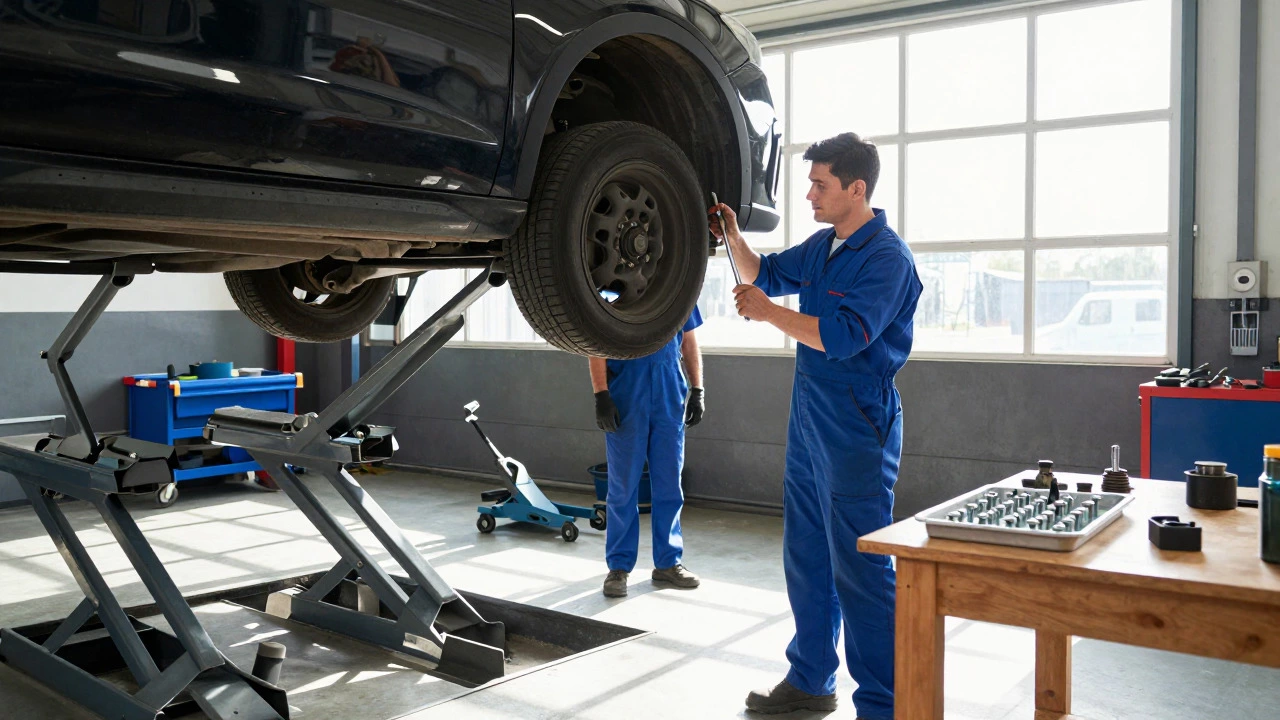
Not every car is suitable for a home mechanic. Consider hiring a professional if:
- Your car has a limited-slip differential (LSD) that requires special tools to remove.
- The transmission is integrated with the engine in a tight space (common in some German luxury brands).
- You don't have a proper lift or floor space to work safely.
- You are unsure about how to read a service manual or interpret torque specs.
If you choose to go the professional route, ask for a warranty on both parts and labor. Most reputable shops offer a 12-month or 12,000-mile warranty on clutch replacements. This protects you if the new parts fail early due to manufacturing defects or installation errors.
Frequently Asked Questions
How long does it take to replace a clutch yourself?
For a first-time DIYer, expect 10 to 15 hours of work. Experienced mechanics can do it in 3 to 5 hours. The time varies greatly depending on the car model and whether you encounter stripped bolts or seized components. Budget for a full weekend rather than a single evening.
Do I need to replace the flywheel with the clutch kit?
Not always. If the flywheel is smooth, flat, and free of cracks, you can reuse it. However, if your car has a dual-mass flywheel (DMF) and it is over 100,000 miles, it is highly recommended to replace it. A worn DMF causes vibration and can destroy a new clutch quickly. Inspect the surface carefully; any scoring or blue discoloration indicates heat damage.
What happens if I install the clutch backwards?
The clutch disc is designed to slide onto the input shaft splines. If installed backwards, it may not seat correctly, leading to misalignment. This causes grinding noises when engaging the clutch and uneven wear. Always check the orientation of the damper springs or balance weights on the disc. They should align with the corresponding holes or marks on the pressure plate.
Can I drive the car immediately after installing a new clutch?
Yes, but avoid aggressive driving for the first 200 miles. This period is called "break-in." Gentle acceleration and avoiding full-throttle launches help the friction material seat properly against the flywheel. Sudden stops and hard shifts during break-in can reduce the lifespan of the new clutch.
Is it better to buy OEM or aftermarket clutch parts?
OEM (Original Equipment Manufacturer) parts are built to the exact specifications of your car and often last longer. Aftermarket brands like Sachs, LuK, and Valeo are also excellent and often provide equivalent performance at a lower price. Avoid no-name brands, as they may use inferior materials. For most drivers, a reputable aftermarket kit offers the best value for money.