Clutch Repair Cost & Risk Estimator
Ignoring warning signs can multiply costs by 3x-5x.
The Short Answer: Yes, But Don’t
You can physically drive a car with a bad clutch is the component in manual transmissions that engages and disengages the engine from the gearbox. The pedal might still go down, and the gears might still shift. However, doing so is like running on a sprained ankle. You might limp to the shop, but you will likely cause expensive collateral damage if you push it too far. Driving with a failing clutch turns a £400 repair into a £1,500 nightmare involving your transmission or flywheel.
I’ve seen this happen more times than I’d like to admit. A driver ignores the slipping sensation for weeks, thinking it’s just ‘old age,’ only to burn out the pressure plate halfway up a hill. Here is exactly what happens when you ignore the warning signs, how to tell if your clutch is actually dying, and when you absolutely must stop driving.
What Actually Happens Inside Your Car?
To understand why driving with a bad clutch is risky, you need to know what’s breaking. In a manual car, the clutch consists of three main parts: the disc, the pressure plate, and the release bearing. These sit between your engine’s flywheel is a heavy rotating disk that stores rotational energy and smooths out power delivery and the gearbox input shaft.
When the clutch wears out, friction material on the disc disappears. This means the disc can no longer grip the flywheel properly. Instead of transferring 100% of the engine’s power to the wheels, it starts spinning freely. This is called 'slippage.' When you press the accelerator, the revs shoot up, but the car doesn’t speed up proportionally. That heat generated by this friction is what destroys other components.
- The Pressure Plate: Warps due to uneven heat distribution.
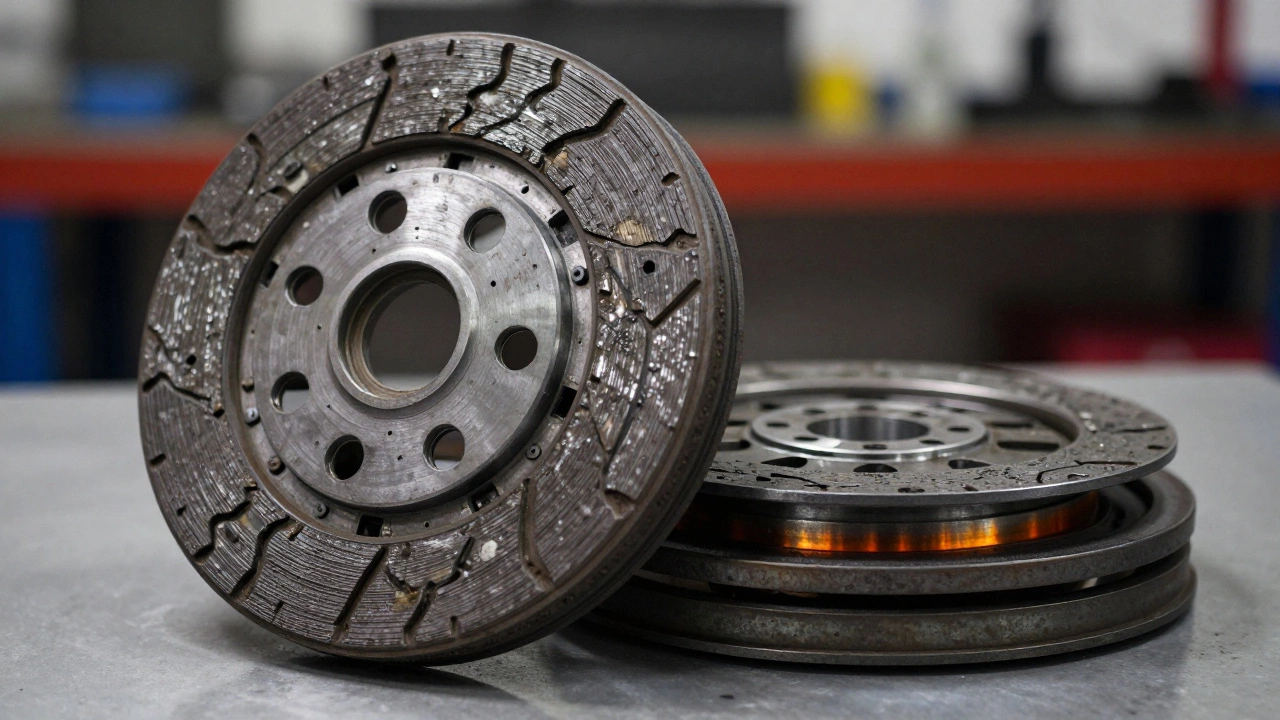
- The Flywheel: Develops hot spots or cracks from excessive thermal stress.
- The Release Bearing: Grinds against warped surfaces, creating noise.
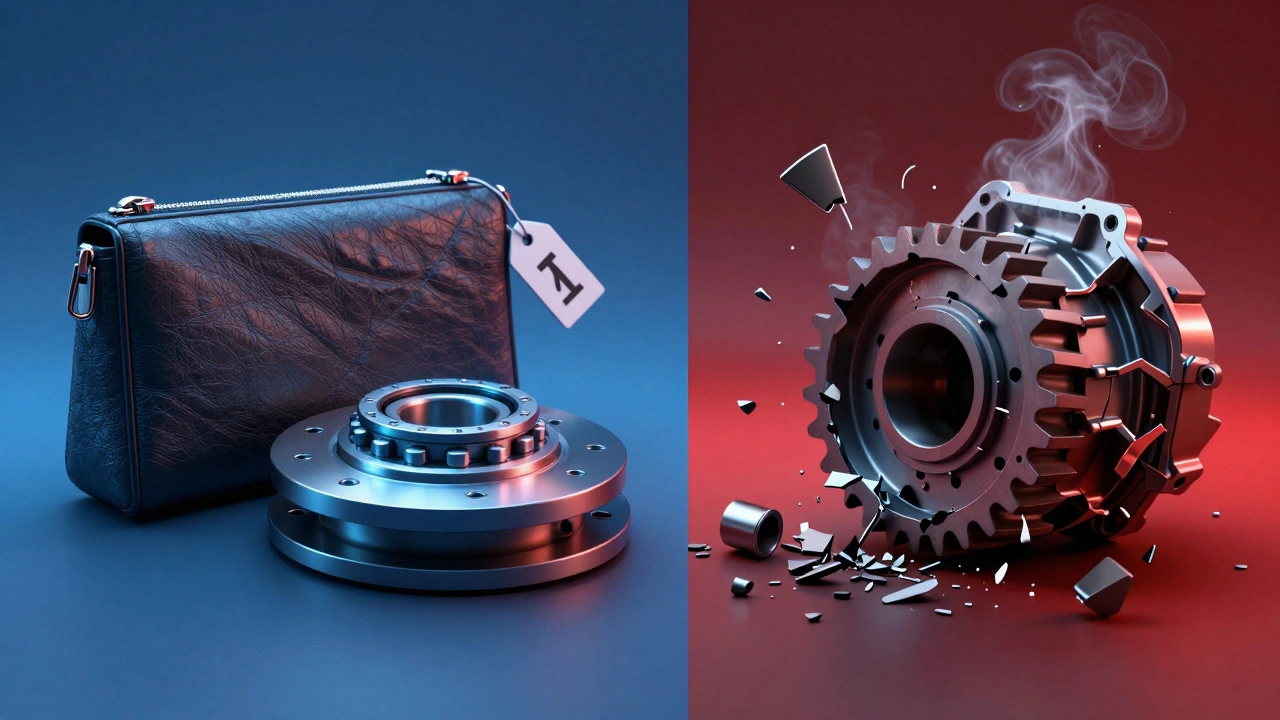
If you keep driving, these parts don’t just wear out-they fail catastrophically. A cracked flywheel can shatter inside the bell housing, taking your transmission with it.
5 Signs Your Clutch Is Failing (And Ignoring Them)
Clutches rarely die overnight. They give you warnings. If you’re asking yourself if you can still drive, you’ve probably noticed one of these five symptoms. Recognizing them early saves money.
- RPM Spike Without Speed Gain: You’re cruising at 60 mph in fourth gear. You tap the gas, and the tachometer jumps from 2,500 to 3,500 RPM, but the speed barely changes. The clutch is slipping.
- High Pedal Point: The clutch pedal feels like it’s engaging right near the roof. You have to lift it almost completely off the floor before the car moves. This means the disc is worn thin.
- Difficulty Shifting Gears: Grinding noises when shifting into first or reverse. This suggests the clutch isn’t fully disengaging, meaning the gears are still trying to mesh while moving at different speeds.
- Spongy or Sticky Pedal: The pedal doesn’t return quickly, or it feels mushy. This often points to hydraulic issues in the master or slave cylinder, which are part of the clutch system.
- Burning Smell: A distinct odor like burning toast or overheated brakes. This is the smell of friction material disintegrating. If you smell this, pull over immediately.
The Hidden Costs of “Just One More Trip”
Let’s talk numbers. A standard clutch kit replacement in the UK typically costs between £300 and £600 for parts and labor, depending on whether you drive a Ford Fiesta or a BMW 3 Series. This includes the disc, pressure plate, and release bearing.
However, if you drive with a slipping clutch until the flywheel warps or cracks, the price skyrockets. Dual-mass flywheels, common in modern diesel engines, cost £200-£400 alone. If the slippage causes transmission input shaft damage, you’re looking at an additional £800-£1,200 for gearbox repairs or replacement.
| Scenario | Average Cost (Parts + Labor) | Downtime |
|---|---|---|
| Standard Clutch Replacement | £300 - £600 | 1-2 Days |
| Clutch + Dual-Mass Flywheel | £700 - £1,000 | 2-3 Days |
| Clutch + Transmission Damage | £1,500 - £2,500+ | 1-2 Weeks |
The math is clear. Pushing a bad clutch for extra miles doesn’t save you money; it multiplies the bill.
When Is It Safe to Drive to the Mechanic?
I’m not saying you should abandon your car on the motorway if the light comes on. There is a difference between ‘failing’ and ‘failed.’ You can drive with a bad clutch under specific, controlled conditions.
Safe Conditions:
- Short Distances: Under 5 miles.
- Flat Terrain: No hills or steep inclines.
- Light Traffic: Avoid stop-start congestion where you’ll be riding the clutch.
- Gentle Acceleration: Keep RPMs low. Don’t test the slip.
Unsafe Conditions (Stop Immediately):
- Smoking or Burning Smell: Active fire hazard.
- Total Slippage: Revs rise freely with no acceleration.
- Pedal to the Floor: No resistance at all.
- Loud Grinding/Crunching: Internal mechanical failure.
If you fall into the unsafe category, do not drive. Call a recovery service. Towing fees (£50-£100) are cheaper than a new transmission.
Temporary Fixes: Do They Work?
You’ll find videos online suggesting ‘fixes’ for a bad clutch. Let’s address them honestly.
Adjusting the Cable: If you have an older car with a cable-operated clutch (like a classic Mini or older VW Golf), adjusting the free play might help temporarily. Modern cars use hydraulics, so this option doesn’t exist.
Changing Fluid: If your pedal feels spongy, bleeding the hydraulic fluid might restore firmness. This fixes the *pedal feel*, not the *disc wear*. If the disc is worn, fresh fluid won’t make it grip better.
‘Clutch Savers’ Additives: These are scams. They claim to clean the friction surface. They do nothing but stain your oil and waste your money.
The only real fix is replacement. There is no patch job for a worn friction disc.
How to Extend Clutch Life While Waiting for Repair
If you have a mild slip and need to drive for a few days, minimize further damage by changing your driving habits.
- Don’t Ride the Clutch: Keep your foot off the pedal unless you’re shifting. Resting your foot on the clutch even slightly drags the disc against the flywheel, generating heat.
- Use Higher Gears: Shift up earlier. Running in third or fourth gear at lower speeds reduces the load on the clutch during engagement.
- Avoid Hill Starts: Use the handbrake method exclusively. Don’t try to balance the bite point with the gas and clutch on a slope. This puts maximum stress on a weakened disc.
- Tow Lightly: If you must tow, keep loads minimal. Extra weight requires more torque, which exacerbates slippage.
DIY vs. Professional Replacement
Replacing a clutch is one of the most common DIY projects for home mechanics, but it’s not for beginners. It requires removing the entire transmission, separating it from the engine, and replacing the worn components.
Pros of DIY:
- Save £300-£500 in labor costs.
- Full control over parts quality (you choose the brand).
- Satisfaction of completing a major repair.
Cons of DIY:
- Requires a transmission jack and engine support bar.
- Risk of dropping bolts into the engine block (catastrophic).
- Time-consuming (6-10 hours for a novice).
- Need to source correct torque specs for your specific vehicle.
If you’ve never done it before, consider paying a professional. A botched installation can lead to premature failure, vibration, or difficult shifting.
Choosing the Right Clutch Kit
Not all clutch kits are equal. When you finally get it fixed, don’t just buy the cheapest option. Look for OEM-equivalent brands like Sachs is a leading manufacturer of automotive clutches and suspension components, Valeo is a global supplier of automotive systems including clutches and electronics, or Exedy is a Japanese company specializing in clutch and brake systems. These brands match the original equipment specifications for durability and performance.
Avoid unknown generic brands. They often use inferior friction materials that wear out faster and may not handle the torque of modern turbocharged engines.
How long can I drive with a slipping clutch?
You should not drive with a slipping clutch for more than a few days. Slippage generates extreme heat that can warp the flywheel and damage the transmission input shaft. If the slip is severe (RPMs rising without acceleration), stop driving immediately. For minor slips, limit trips to short, flat routes under 5 miles.
Does a bad clutch affect fuel economy?
Yes. When the clutch slips, the engine works harder to maintain speed because power is lost as heat rather than motion. This increases fuel consumption significantly. You may notice your MPG drop by 10-20% as the clutch deteriorates.
Can a bad clutch cause transmission failure?
Absolutely. A severely worn clutch fails to fully disengage, causing grinding and shock loads on the transmission gears. Additionally, heat from slippage can degrade transmission fluid and damage internal seals. In extreme cases, a broken clutch disc can send metal fragments into the gearbox, requiring a full rebuild.
Is it safe to drive with a noisy release bearing?
It is temporarily safe but not advisable. A noisy release bearing usually indicates wear. While it won’t cause immediate catastrophic failure like a slipped disc, it can seize up suddenly, making it impossible to shift gears. Replace it as soon as possible to avoid being stranded.
Should I replace the flywheel when replacing the clutch?
Always check the flywheel condition. If it has visible hot spots, cracks, or glazing, replace it. For dual-mass flywheels, manufacturers recommend replacement every time the clutch is changed because they cannot be resurfaced. Skipping this step often leads to premature clutch failure.