Alloy Wheel Damage Risk Checker
Not sure if that mark on your wheel is serious? Answer three quick questions below to get an instant risk assessment and recommendation based on industry standards.
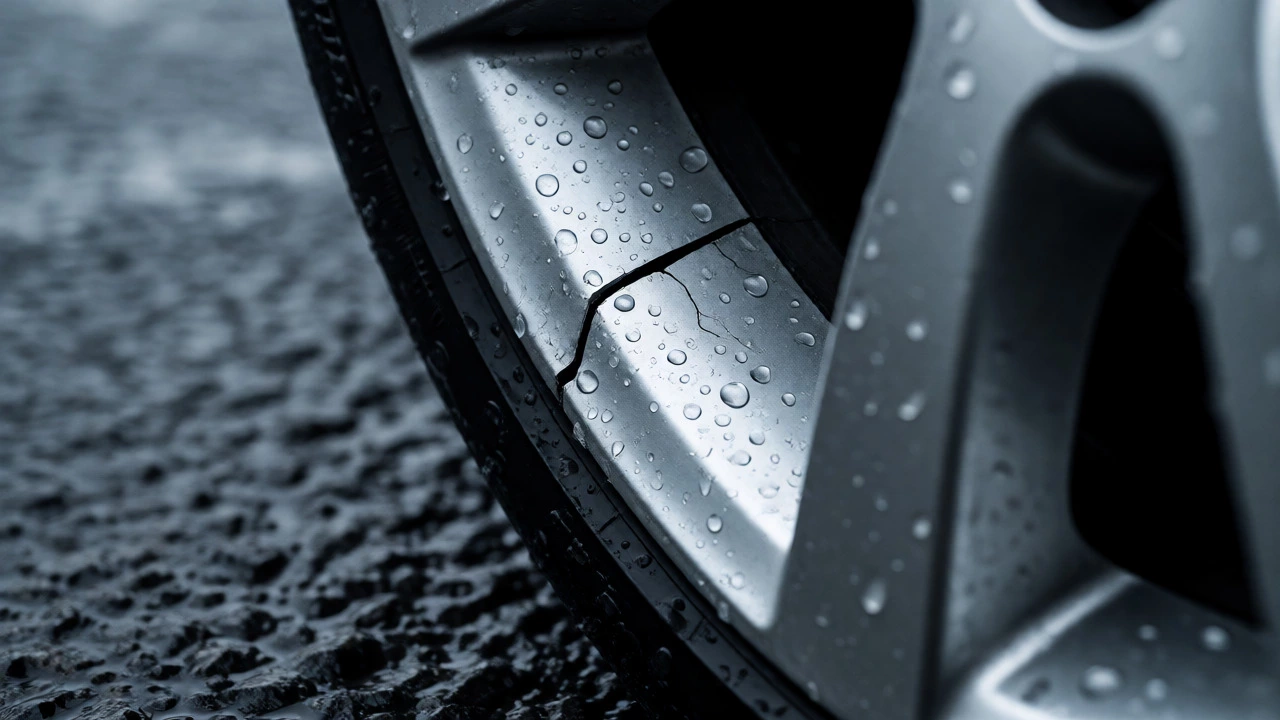
You hear that sickening crunch as your car slams into a deep pothole on the M60. You pull over, expecting the worst: a flat tire or a bent rim. But when you look closer, you spot something worse-a hairline fracture running across the silver face of your alloy wheel. It’s a common fear among drivers, especially in the UK where winter road conditions turn tarmac into Swiss cheese. The question everyone asks is simple: do alloy wheels crack easily? The short answer is no, not under normal driving conditions. But they are brittle compared to steel, and one bad impact can change everything.
If you’re weighing up whether to stick with alloys or switch back to steelies for winter, or if you’ve just found a crack and don’t know if it’s safe to drive, this guide breaks down exactly what causes these failures, how to spot them early, and when you actually need to replace the wheel versus repairing it.
The Material Difference: Why Alloys Behave Differently
To understand why an alloy wheel might fail, you have to look at what it’s made of. Most modern cars come fitted with aluminium alloy wheels. Unlike steel wheels, which are ductile (meaning they bend before they break), aluminium is rigid. Think of the difference between a copper wire and a piece of chalk. If you bend a copper wire, it stretches. If you bend a piece of chalk, it snaps. Aluminium alloys behave more like the chalk in extreme scenarios.
This rigidity is why alloys feel better to drive on. They transfer road feedback directly to your steering wheel and cool down brakes faster because metal conducts heat well. However, that same stiffness means they lack the ability to deform plastically after a hard hit. Instead of bending out of shape like a steel rim, an alloy absorbs the energy by cracking or chipping.
What Actually Causes Cracks?
It’s rarely just one thing. Wheel failure is usually a combination of manufacturing quality, driving habits, and environmental stress. Here are the main culprits:
- Pothole Impact: This is the number one killer. Hitting a sharp edge at speed sends a shockwave through the rim. If the tyre sidewall isn’t thick enough to cushion the blow, the metal takes the hit.
- Curbing: Scraping against a high curb doesn’t just scratch the cosmetic finish; it can create a stress point that propagates into a structural crack over time.
- Manufacturing Defects: Rare, but possible. Porosity-tiny air bubbles trapped inside the metal during casting-can weaken the structure. These defects often show up only after thousands of miles of vibration.
- Corrosion: In coastal areas or places where roads are salted heavily in winter, corrosion can eat away at the inner barrel of the wheel, thinning the metal until it fails.
It’s worth noting that not all alloys are created equal. Cast alloys, which are poured into molds, are generally cheaper and slightly more prone to internal flaws than forged alloys. Forged wheels are pressed under immense pressure, aligning the metal grain structure and making them significantly stronger and lighter. If you drive a performance car, you likely have forged or flow-formed wheels, which handle impacts much better than standard cast rims.
Spotting the Damage: Hairlines vs. Structural Cracks
Not every mark on your wheel is a disaster. You need to distinguish between cosmetic blemishes and structural threats. A superficial scratch or chip on the face of the wheel affects looks, not safety. But a crack that runs from the outer lip toward the center hub is serious.
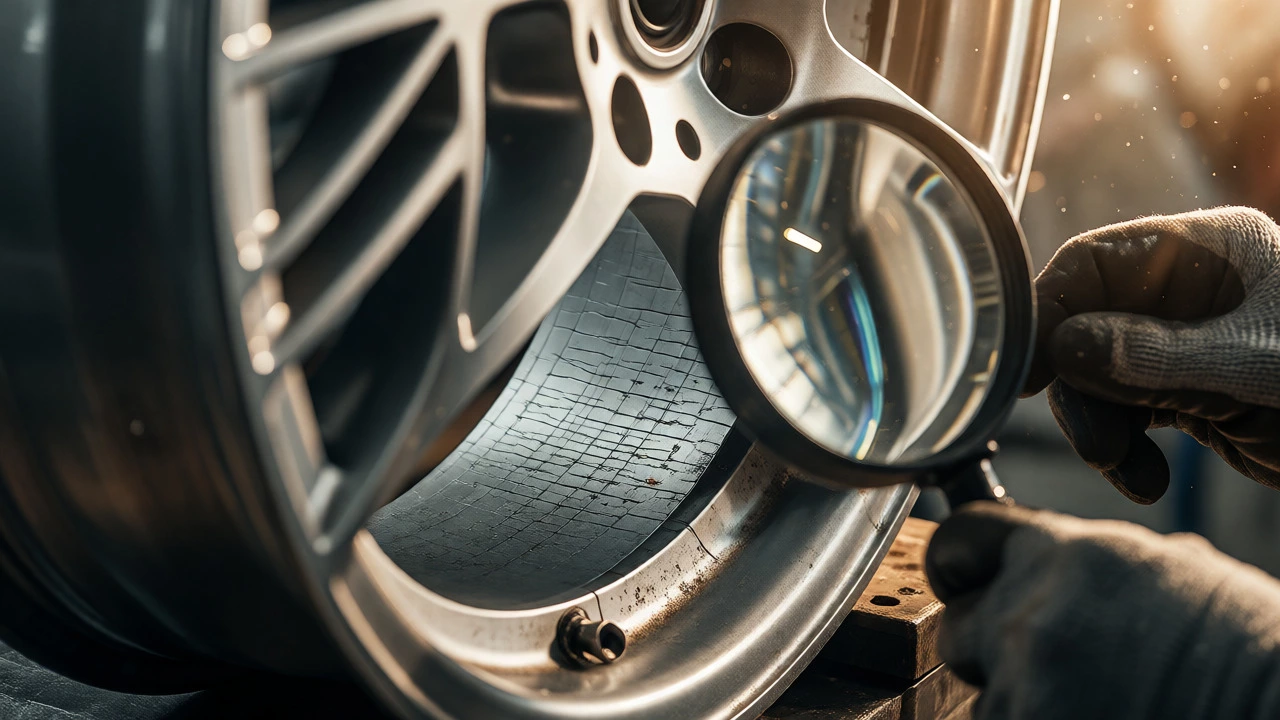
Here’s how to inspect your wheels properly. Clean them thoroughly first; brake dust hides everything. Then, use a magnifying glass and good lighting. Look for lines that catch your fingernail when you run it across the surface. If you see a line that seems to go deeper than the paint layer, pay attention.
| Damage Type | Location | Safety Risk | Typical Fix |
|---|---|---|---|
| Cosmetic Chip | Outer Face/Lip | Low (Aesthetic only) | Refurbishment/Paint |
| Hairline Crack | Spokes/Inner Barrel | Moderate (May leak air) | Repair or Replace |
| Structural Fracture | Hub Center/Split Spoke | High (Wheel failure risk) | Replace Immediately |
| Bent Rim | Outer Edge | Moderate (Vibration/Leak) | Straightening or Replace |
A key sign of trouble is slow air loss. If you find yourself topping up your tyre pressure once a week, check the wheel carefully. Air escaping through a micro-crack is often silent and invisible until you submerge the wheel in water and watch for bubbles.
Can You Drive With a Cracked Alloy?
This depends entirely on the severity. A tiny, non-structural crack on the decorative face might hold up for months. But a crack near the valve stem or extending into the load-bearing spokes? That’s a ticking time bomb.
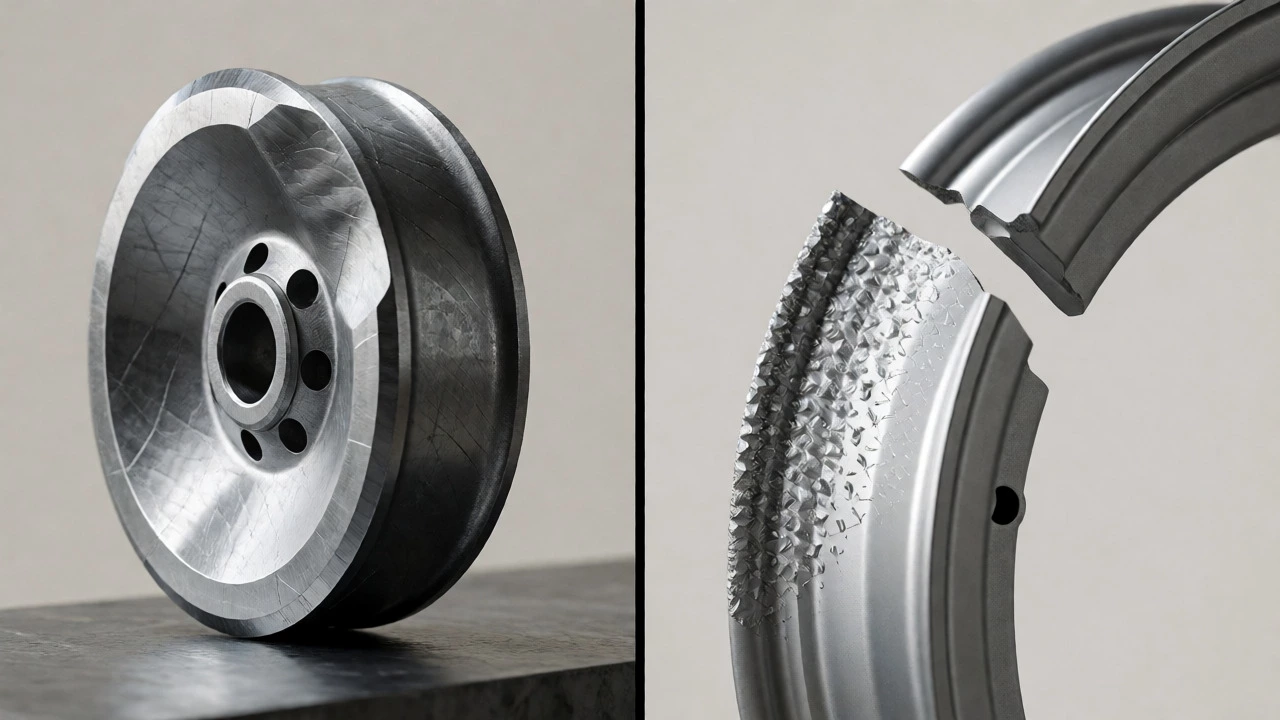
Driving on a compromised wheel stresses the crack further. Every bump, every acceleration, and every braking event adds fatigue to the metal. Eventually, the crack spreads, and the wheel can split while you’re driving. At 70 mph on the motorway, losing a chunk of your wheel isn’t just expensive-it’s dangerous. If you suspect a structural crack, limit your speed and get it checked immediately. Don’t gamble with high-speed travel.
Repair vs. Replace: Making the Right Choice
When damage is confirmed, you face a decision: fix it or swap it. Modern technology has made alloy repair surprisingly effective. Specialist shops can weld cracks using TIG (Tungsten Inert Gas) welding, then machine the area smooth and repaint it. This process restores both integrity and appearance.
However, repair isn’t always the best option. Consider replacing the wheel if:
- The crack is longer than 3 inches (approx. 7.5 cm).
- The damage is located on the inner barrel where inspection is difficult.
- The wheel has been repaired multiple times already.
- You plan to keep the car for many years and want guaranteed reliability.
Replacement costs vary wildly. A new OEM (Original Equipment Manufacturer) alloy can cost £150-£400+ per corner. Aftermarket options are cheaper, ranging from £80-£200, but ensure they carry JWL/VIA certification marks, which indicate they meet strict safety standards. Used wheels are another route, but be wary of hidden bends or previous repairs.
Preventing Future Cracks
You can’t control every pothole, but you can mitigate the risk. Tyre profile plays a huge role here. Low-profile tyres (like 225/40 R18) offer less cushioning between the rim and the road than taller sidewalls (like 205/55 R16). If you live in an area with poor road surfaces, sticking to a higher aspect ratio tyre saves your wheels money and grief.
Also, keep your tyre pressures correct. Under-inflated tyres allow the rim to slam harder into obstacles. Over-inflated tyres reduce grip and comfort but transmit more shock to the suspension and wheels. Check your door jamb sticker for the manufacturer’s recommended PSI and stick to it.
Finally, clean your wheels regularly. Brake dust contains iron particles that rust and embed themselves in the clear coat. Regular washing prevents corrosion from weakening the metal over time, especially during the salty UK winters.
Frequently Asked Questions
Are alloy wheels weaker than steel wheels?
In terms of impact resistance, yes. Steel is ductile and bends, whereas aluminium alloy is rigid and tends to crack under severe impact. However, alloys are stronger relative to their weight, offering better performance and handling.
How much does it cost to repair a cracked alloy wheel?
In the UK, professional alloy wheel repair typically costs between £50 and £100 per wheel, depending on the size and extent of the damage. This usually includes welding, machining, and refinishing.
Is it safe to drive on a hairline crack?
A very small, superficial crack on the face may be safe for short distances, but it should be monitored closely. Any crack affecting the seal (causing air leaks) or located on structural spokes requires immediate attention to prevent wheel failure.
Why do my alloy wheels corrode?
Corrosion is caused by moisture and salt reacting with the aluminium oxide layer. Road salt used in winter accelerates this process, leading to pitting and white powder buildup. Regular cleaning and protective coatings help prevent this.
Can I insure cracked alloy wheels?
Standard comprehensive car insurance often covers accidental damage, including wheel strikes, but some policies exclude 'wear and tear' or cosmetic damage. Check your policy wording specifically for 'wheel cover' or 'tyre and rim' add-ons.