3-Inch Exhaust Compatibility & Benefit Estimator
Vehicle Specifications
Analysis Result
Waiting...Enter your vehicle details to see if a 3-inch exhaust is right for you.
- Estimated HP Gain: -
- Risk Level: -
- MPG Impact: -
- Recommended Size: -
Expert Advice
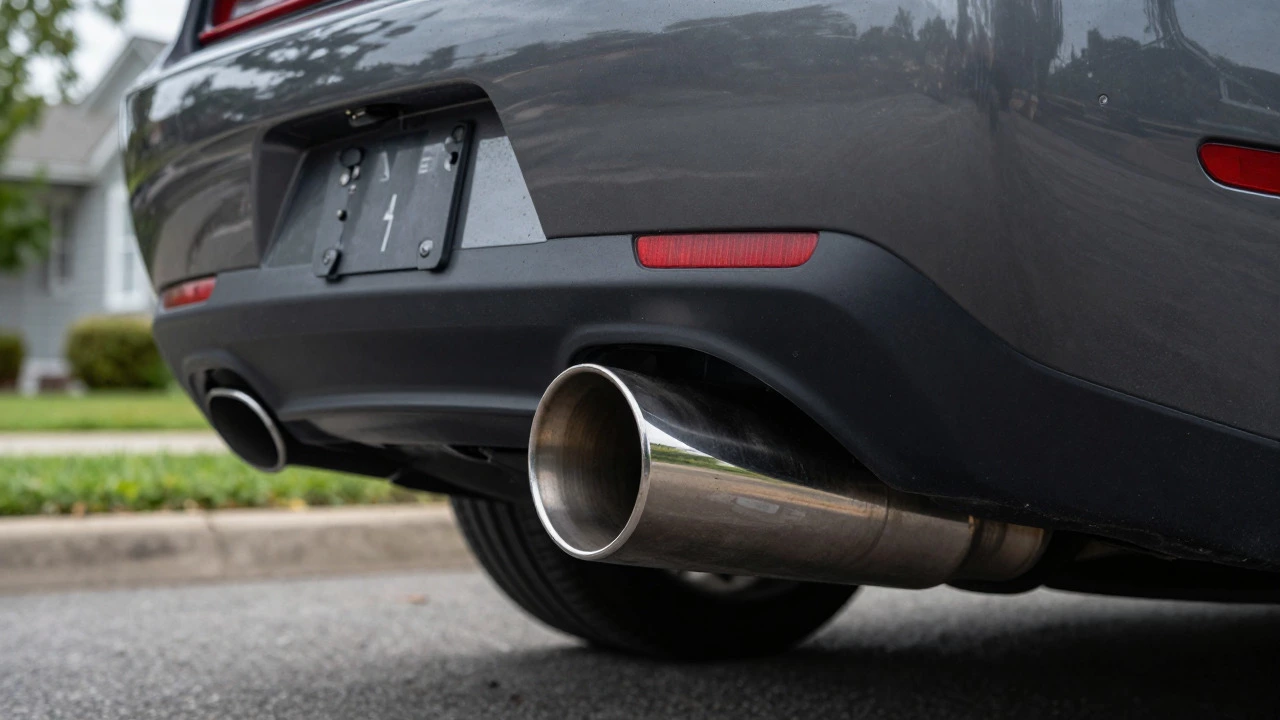
You’ve seen the shiny tips. You’ve heard the deep rumble from the car parked next to you at the traffic light. Now you’re wondering if swapping your stock exhaust for a 3 inch exhaust is actually worth the money and the noise complaint risk. The short answer is yes, it makes a difference-but whether that difference is good or bad depends entirely on what you are driving.
An exhaust system isn’t just about looking aggressive; it’s a critical part of your engine’s breathing mechanism. Changing the pipe diameter changes how gases flow out of the engine, which directly impacts horsepower, torque, fuel economy, and sound. If you put a 3-inch pipe on a small commuter car, you might lose power. If you put it on a high-performance V8, you might unlock hidden potential. Let’s break down exactly when a 3-inch setup works and when it hurts.
How Exhaust Diameter Affects Engine Performance
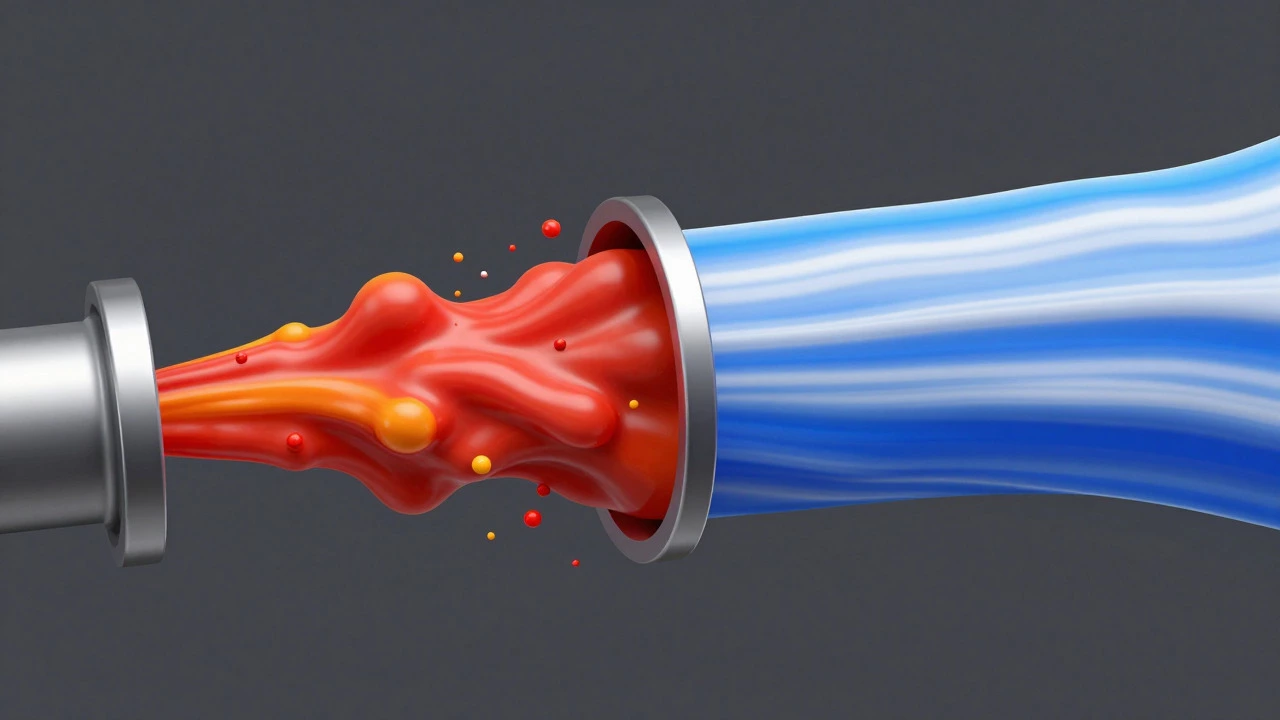
To understand why size matters, we need to look at two competing forces: exhaust velocity and backpressure. Your engine pushes spent gases out through the exhaust manifold and into the pipes. For those gases to exit efficiently, they need speed. This is called exhaust velocity.
If the pipe is too narrow (like a standard 1.5-inch or 2-inch stock pipe), the gas gets stuck behind other gas. This creates resistance known as backpressure. High backpressure means the engine has to work harder to push out old air before it can pull in fresh air. This limits power, especially at high RPMs.
A 3-inch exhaust reduces this restriction significantly. It allows hot gases to escape more freely. However, there is a catch. If the pipe is too wide for the amount of gas the engine produces, the gas slows down because it doesn’t have enough volume to fill the space quickly. Low velocity means poor scavenging-the process where exiting gases help pull new air-fuel mixtures into the cylinders.
| Engine Type | Stock Pipe Size | Effect of 3-Inch Upgrade | Risk Factor |
|---|---|---|---|
| Small 4-Cylinder (1.0L - 2.0L) | 1.5" - 2.0" | Negative: Loss of low-end torque | High |
| V6 Engines (3.0L - 4.0L) | 2.0" - 2.5" | Mixed: Gains at high RPM, loss at low RPM | Medium |
| V8 Engines (5.0L+) | 2.5" - 3.0" | Positive: Improved top-end power | Low |
| Diesel Trucks (6.7L+) | 3.0" - 4.0" | Neutral/Positive: Better turbo spool | Very Low |
The sweet spot for a 3-inch system usually lies with larger displacement engines-specifically V8s over 5 liters or large diesel trucks. These engines produce massive volumes of exhaust gas naturally. They don’t struggle to fill a 3-inch pipe, so they benefit from the reduced restriction without sacrificing the velocity needed for low-end torque.
The Sound Change: From Murmur to Roar
If you aren’t chasing horsepower, you are probably chasing sound. A 3-inch exhaust will change the character of your car’s note dramatically. Stock exhaust systems are designed to be quiet, often using heavy mufflers and restrictive resonators to dampen noise for emissions compliance and passenger comfort.
When you install a 3-inch cat-back or axle-back system, you remove many of these restrictions. The result is deeper, louder, and more aggressive. But here is what most people forget: bigger pipes don’t always mean better sound. Without proper tuning or specific muffler design, a 3-inch pipe can sound hollow, droney, or even like a vacuum cleaner sucking up marbles. This happens when the exhaust velocity drops too low, creating turbulent airflow that generates unwanted resonance inside the cabin.
If you live in an apartment complex or have strict local noise ordinances, test drive a car with a similar setup first. What sounds exciting on a dyno track can become annoying during a 30-minute commute. Many modern 3-inch systems use baffled mufflers or straight-through perforated tubes to balance volume with tone, ensuring you get the rumble without the headache.
Will It Fit? Compatibility and Installation Challenges
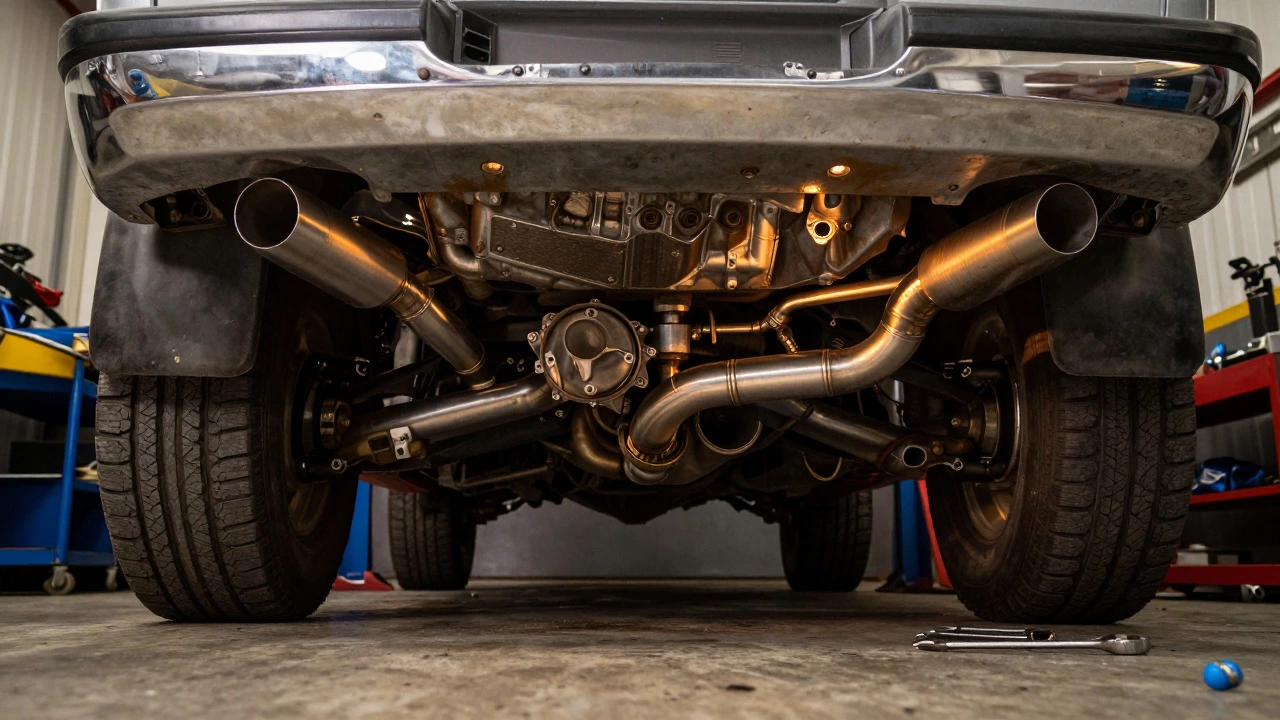
Before you buy, check your undercarriage. A 3-inch exhaust requires physical space. On some vehicles, particularly those with tight rear suspension components or large driveshafts, a 3-inch pipe might rub against the chassis or interfere with the differential housing.
Most direct-fit aftermarket kits are engineered to avoid these issues, but universal systems require careful measurement. You’ll also need to consider the hangers. Stock hangers are sized for smaller diameters. Upgrading to 3-inch usually means buying new rubber isolators and metal brackets to support the heavier weight of the thicker-walled steel or stainless steel pipes.
Installation difficulty varies. A simple axle-back swap (from the rear axle to the tailpipe) is often a DIY job requiring basic hand tools. A full cat-back system (from the catalytic converter back) might require lifting the vehicle, removing heat shields, and cutting old clamps. If you’re not comfortable working underneath a car, professional installation costs typically range between $150 and $400 depending on labor rates in your area.
Fuel Economy: Does Bigger Mean More Efficient?
This is a common myth. People assume that because the engine breathes easier, it uses less fuel. In reality, the impact on MPG is negligible for most drivers. Some dyno tests show a slight improvement of 0.5 to 1.5 MPG due to reduced pumping losses, while others show no change at all. Don’t upgrade a 3-inch exhaust expecting to save money at the pump. You’re paying for performance and aesthetics, not efficiency.
In fact, if the exhaust is too large for your engine, causing a drop in low-end torque, you might find yourself revving higher to maintain highway speeds, which could slightly increase fuel consumption. The best way to gauge real-world efficiency is to monitor your average MPG over two weeks after installation, keeping driving habits consistent.
Materials Matter: Stainless Steel vs. Aluminized
Not all 3-inch exhausts are created equal. The material determines longevity, weight, and price. Cheap aluminized steel pipes may rust through within two years, especially in regions with road salt. Look for T304 stainless steel, which offers superior corrosion resistance and maintains its structural integrity longer. While it costs more upfront, it pays off by avoiding premature replacement.
Wall thickness is another factor. Thinner walls reduce weight but can lead to rattling noises if the muffler isn’t properly secured. Aim for mandrel-bent pipes, which maintain consistent internal diameter through curves, preventing turbulence that straight-cut bends cause. This attention to detail ensures the theoretical benefits of the 3-inch diameter translate into actual performance gains.
Legal Considerations and Emissions
Check your local laws before installing. In many jurisdictions, modifying the exhaust to exceed certain decibel levels is illegal. Additionally, ensure your kit retains the original catalytic converters unless you plan to fail an emissions test. Removing cats is a quick way to get fined in areas with strict environmental regulations. Most reputable brands offer CARB-compliant options that keep you legal while still delivering the desired sound and performance upgrades.
Is a 3-inch exhaust too big for a V6 engine?
For most naturally aspirated V6 engines under 4.0 liters, a 3-inch exhaust is likely too large. It can cause a loss of low-end torque and create a droning sound in the cabin. A 2.5-inch system is generally the maximum recommended size for these engines to maintain balanced performance across the RPM range.
How much horsepower does a 3-inch exhaust add?
On a stock V8 or large diesel truck, a quality 3-inch cat-back system can add anywhere from 5 to 15 horsepower. However, these gains are usually realized at higher RPMs. Without supporting modifications like a cold air intake or ECU tune, the power increase is modest compared to the cost of the system.
Can I install a 3-inch exhaust myself?
Yes, if you have basic mechanical skills and tools like a jack, stands, wrenches, and a ratchet. Axle-back systems are straightforward bolt-on jobs. Cat-back systems may require cutting old pipes and dealing with rusted bolts. If you lack the tools or confidence, professional installation is recommended to ensure proper fitment and leak-free seals.
Does a larger exhaust improve towing capacity?
Indirectly, yes. By reducing backpressure, a 3-inch exhaust helps the engine breathe better under load, which can prevent overheating and maintain power when towing heavy trailers. However, it does not mechanically increase the truck's rated towing capacity, which is determined by the frame, suspension, and drivetrain components.
What is the difference between axle-back and cat-back systems?
An axle-back system replaces everything from the rear axle to the tailpipe, primarily changing sound and appearance. A cat-back system replaces everything from the catalytic converter backward, affecting both sound and performance by reducing restriction throughout the entire rear exhaust path. Cat-back systems are more expensive but offer greater performance benefits.