Oil Change Interval Calculator
Enter Your Vehicle Details
Check any conditions that apply to your regular driving habits:
Your Recommendation
Select your options and click calculate to see your personalized schedule.
--
Miles / -- Months
Based on manufacturer standards for full synthetic oil under normal driving conditions.
Always consult your owner's manual for specific manufacturer requirements.
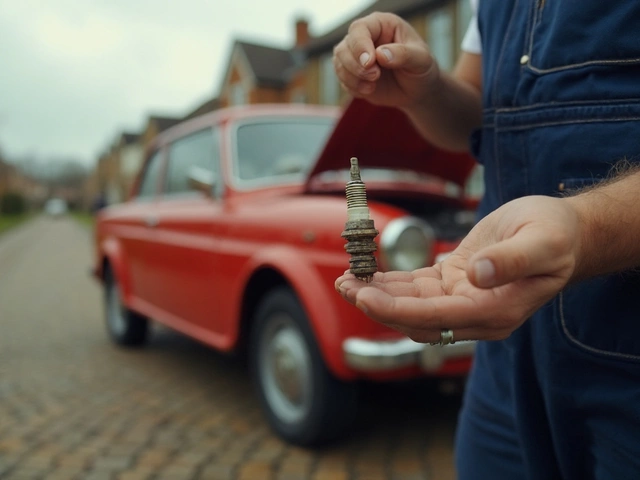
You’ve probably seen the sticker on your windshield from the last mechanic. It gave you a date or a mileage target. But what happens if you ignore it? What is the actual limit before your car starts paying the price? There is no single number that works for every vehicle. Pushing it too far turns your lubricant into sludge, and sludge kills engines. Knowing when to stop pushing is the difference between a reliable daily driver and a costly rebuild.
Why Engine Oil Actually Goes Bad
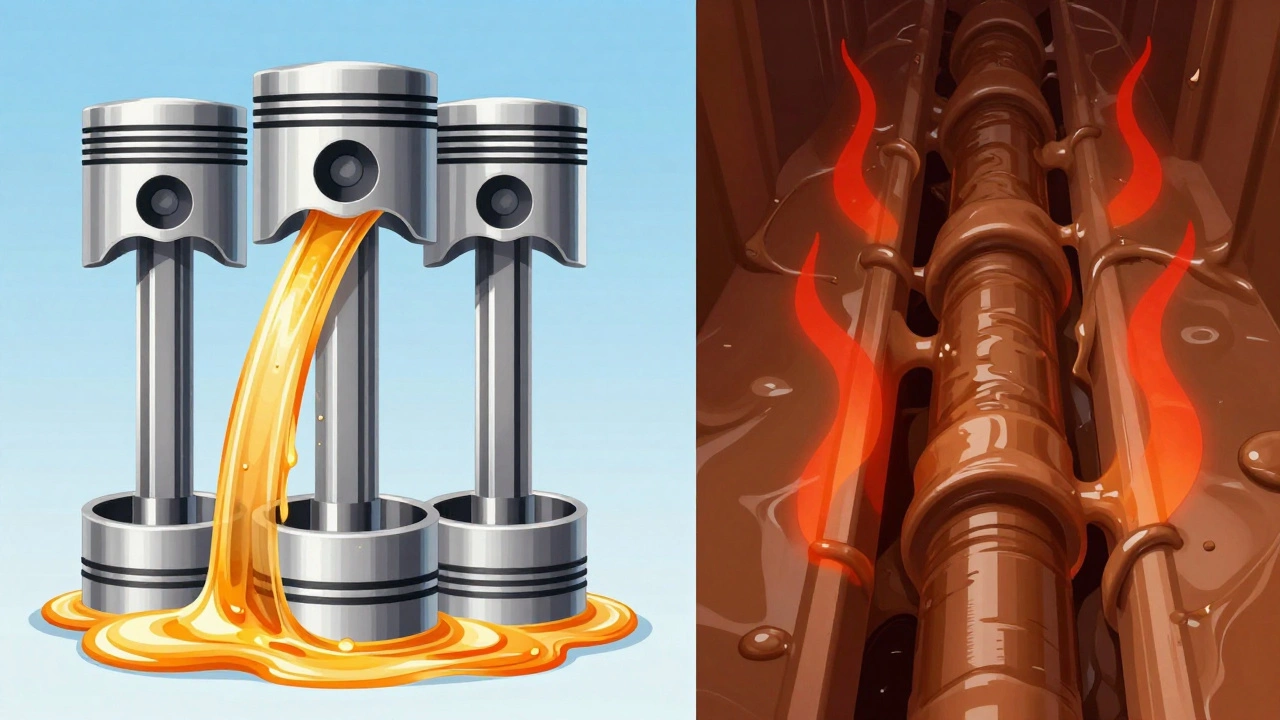
People often think oil just gets dirty. That’s only half the story. Engine oil is a complex mixture of base oils and additives designed to lubricate, cool, and clean internal engine components. Its job is to coat moving parts like pistons and camshafts with a microscopic film. This film prevents metal from touching metal.
Over time, two things happen. First, contaminants build up. Dust, soot from combustion, and tiny metal shavings mix into the oil. Second, and more importantly, the chemical structure breaks down. Heat causes oxidation. Think of it like cutting an apple and leaving it out; it browns and degrades. When oil oxidizes, it thickens and loses its ability to flow. The additives that neutralize acids and prevent corrosion also get used up. Once those additives are gone, the oil can’t protect your engine anymore, even if it looks okay.
The Myth of the 3,000-Mile Rule
If you own an older car, you might still hear people say you need an oil change every 3,000 miles (about 4,800 km). This rule comes from the era of conventional mineral oils and less efficient engines. Today, most cars use much better technology. Sticking to this old rule for a modern vehicle is usually unnecessary waste of money and resources.
| Oil Type | Average Interval (Miles) | Average Interval (Months) | Best For |
|---|---|---|---|
| Conventional Oil | 3,000 - 5,000 | 3 - 6 | Older vehicles, high-mileage engines |
| Synthetic Blend | 5,000 - 7,500 | 6 - 9 | Moderate driving conditions |
| Full Synthetic Oil | 7,500 - 10,000+ | 12 - 24 | Modern turbocharged engines, extreme temps |
Most manufacturers now recommend intervals between 7,500 and 10,000 miles for full synthetic oil. Some European brands even push past 15,000 miles under ideal conditions. However, "ideal" is a tricky word. Your driving habits matter more than the label on the bottle.
Severe Driving Conditions: The Hidden Killer
This is where most drivers get it wrong. The manual gives you one set of numbers for "normal" driving and another for "severe" driving. Severe doesn’t mean you’re driving dangerously. It means conditions that stress the engine more. If any of these apply to you, cut the recommended interval in half:
- Short trips: If you drive less than 5 miles (8 km) at a time, especially in winter, the engine never gets hot enough to burn off moisture and fuel dilution. This creates acid buildup rapidly.
- Towing or heavy loads: Caravans, roof boxes, or hauling gear increases engine temperature and friction.
- Dusty environments: Driving on unpaved roads or in construction zones forces more dirt through the air filter, contaminating the oil faster.
- Stop-and-go traffic: Idling and low-speed city driving generate more heat without adequate airflow cooling.
- Extreme temperatures: Both very hot summers and freezing winters accelerate oil breakdown.
If you live in Manchester and spend your days crawling through rush hour traffic on the M60, you are likely in the severe category. Even with full synthetic oil, waiting 10,000 miles might be pushing your luck. Aim for 5,000 to 6,000 miles instead.
Listening to Your Car: Signs You’ve Gone Too Far
Your car will try to tell you something is wrong before it completely fails. Pay attention to these signals. They indicate the oil has lost its protective properties.
- Dark, gritty oil: Pull the dipstick. Fresh oil is amber or light brown. Old oil is black. Black isn’t always bad-it means it’s cleaning-but if it feels gritty or smells burnt, it’s time.
- Engine noise: A healthy engine purrs. An engine starved of proper lubrication ticks, knocks, or roars louder than usual. This is metal rubbing against metal.
- Exhaust smoke: Blue or gray smoke from the tailpipe means oil is burning in the combustion chamber. This can happen when seals dry out due to old oil.
- Oil warning light: If the red oil can icon lights up on your dashboard, pull over immediately. This indicates low pressure, which could mean low level or a pump failure. Do not ignore this.
- Poor fuel economy: Sludgy oil creates drag inside the engine. Your car has to work harder, using more fuel to go the same distance.
The Cost of Waiting Too Long
Saving £50 on an oil change now can cost you thousands later. Here is what happens when you cross the line from "due" to "neglected":
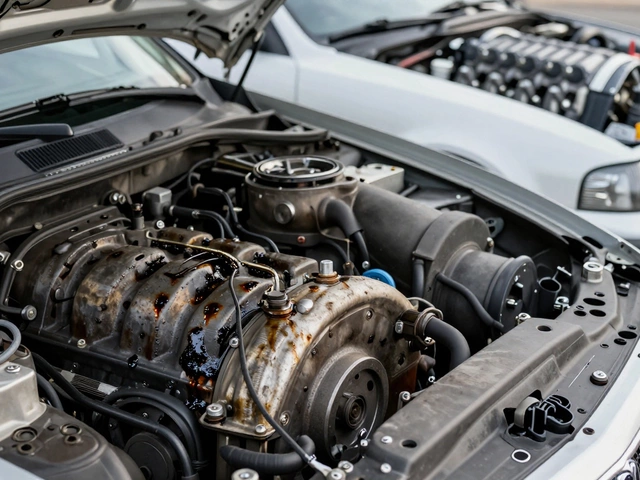
Sludge formation: As oil breaks down, it forms varnish and sludge. This gunk clogs oil passages. Imagine trying to drink a milkshake through a thin straw that’s partially blocked. Your engine’s bearings don’t get the oil they need. They overheat and seize.
Increased wear: Without proper lubrication, microscopic scratches appear on cylinder walls and piston rings. Over time, this leads to loss of compression. Your engine loses power and burns more oil.
Catalytic converter damage: Unburnt oil entering the exhaust system coats the catalytic converter. This expensive emissions control device can fail prematurely, costing upwards of £1,000 to replace in the UK.
Complete engine failure: In worst-case scenarios, a bearing spins out, throwing metal shards throughout the engine block. The only fix is a full engine replacement. For many older cars, this makes them economically unviable.

How to Check Your Oil Level Yourself
You don’t need a degree in mechanics to check your oil. Doing this once a month takes five minutes and can save your engine.
- Park on level ground. Ensure the engine is cool or has been off for at least 10 minutes to let oil settle back into the sump.
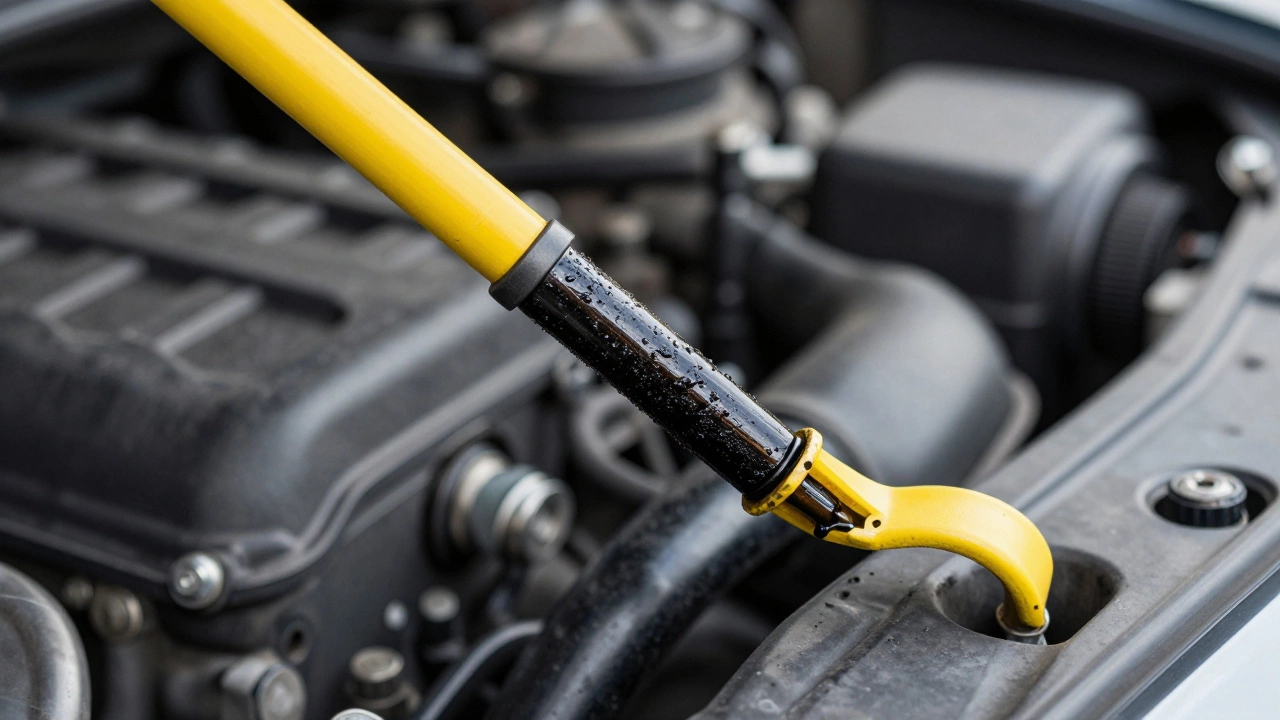
- Open the hood and locate the dipstick. It usually has a bright yellow or orange handle labeled "Engine Oil."
- Pull it out, wipe it clean with a rag, and insert it fully back into the tube.
- Pull it out again and look at the tip. There are two marks or a cross-hatched area. The oil level should be between them.
- If it’s below the lower mark, add a little bit of the recommended oil type through the filler cap. Don’t overfill.
- Check the color and smell. If it’s milky, you have a coolant leak (head gasket issue). If it’s metallic, there’s internal wear.
Finding the Right Schedule for Your Car
So, how long is too long? For most modern cars using full synthetic oil and driven under normal conditions, 7,500 to 10,000 miles or 12 months is safe. For severe conditions, drop that to 5,000 miles or 6 months. Always check your owner’s manual first. Manufacturers know their engines best. If the manual says 10,000 miles but you tow a caravan every weekend, trust your judgment and do it sooner.
Don’t rely solely on the "Oil Life Monitor" in your dashboard. These systems estimate based on algorithms, not chemical analysis. They can be fooled by short trips or extreme heat. Use them as a guide, not a gospel. When in doubt, changing the oil early never hurts. It’s cheap insurance for the most expensive part of your car.
Can I wait 2 years without an oil change?
No, you should not wait two years. Even if you haven't driven many miles, oil degrades over time due to oxidation and moisture absorption. Most manufacturers recommend changing oil at least once a year, regardless of mileage. After two years, the additives protecting your engine are likely depleted, leading to increased corrosion and wear.
Is synthetic oil really worth the extra cost?
Yes, for most modern vehicles. Full synthetic oil lasts longer, provides better protection in extreme temperatures, and keeps engines cleaner than conventional oil. While it costs more upfront, you may change it less frequently, balancing the expense. It is especially beneficial for turbocharged engines and high-performance cars.
What happens if I overfill my engine with oil?
Overfilling can cause serious issues. Excess oil can be whipped into foam by the crankshaft, reducing its lubricating ability. This can lead to increased pressure, leaking seals, and potentially damaged catalytic converters. If you accidentally overfill, drain the excess until the level is within the recommended range on the dipstick.
Does driving style affect how often I need an oil change?
Absolutely. Aggressive driving with hard acceleration and braking generates more heat and stress on the engine, breaking down oil faster. Frequent short trips prevent the engine from reaching optimal operating temperature, leading to fuel dilution and moisture buildup. Both scenarios shorten the effective life of your oil.
Can I switch from conventional to synthetic oil mid-life?
Yes, you can switch to synthetic oil at any time. In fact, it’s often recommended for older engines as synthetic oil contains detergents that can help clean out accumulated sludge. Just ensure the viscosity grade matches your manufacturer’s specifications. There is no need to flush the engine before switching unless there is significant existing contamination.