Most people expect their clutch to last between 50,000 and 100,000 miles. That’s the standard answer you’ll hear from mechanics and car manuals. But what if someone drove over 300,000 miles on the same clutch? It sounds impossible-until you hear the stories.
Clutches That Defied the Odds
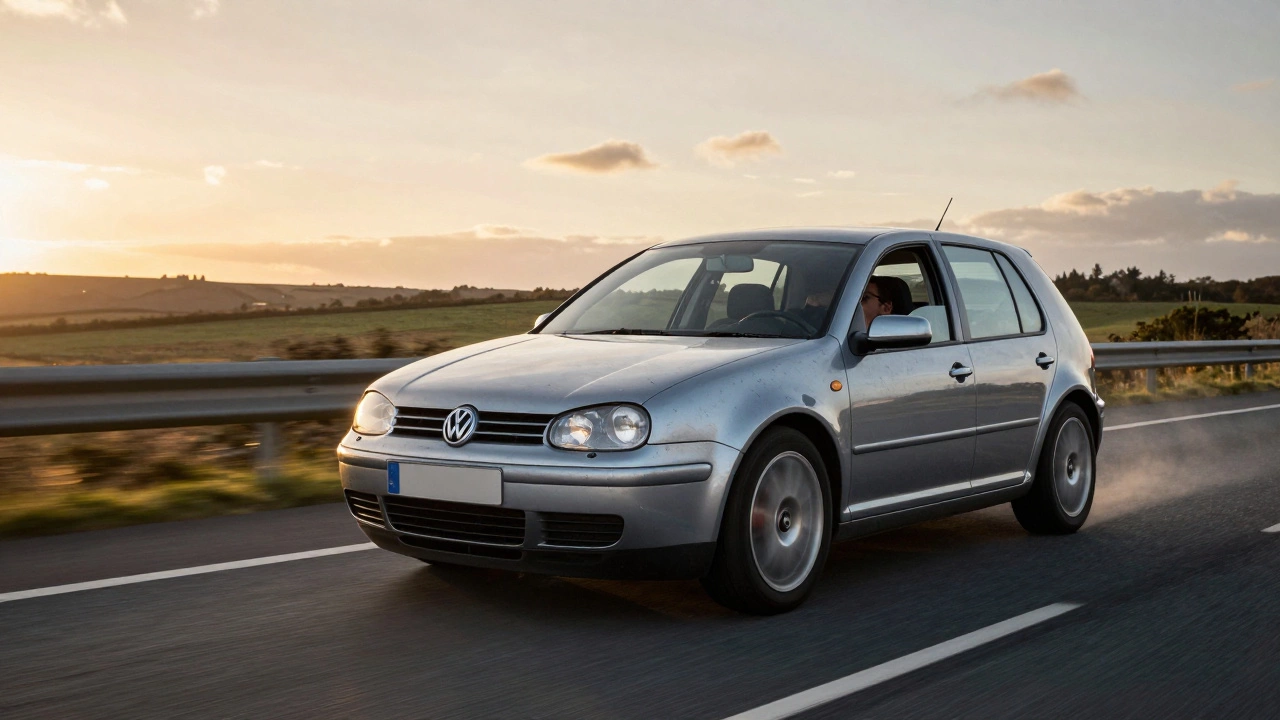
There are real cases where clutches have lasted well beyond what anyone considers normal. One documented case comes from a 1998 Volkswagen Golf TDI driven by a retired postal worker in rural Wales. He averaged 40,000 miles a year for 12 years, mostly on motorways with smooth acceleration. His original clutch held up until 312,000 miles. He didn’t even notice it was wearing out until the car started slipping slightly uphill on a steep lane. That’s not a fluke-it’s the result of consistent, gentle driving habits and a well-maintained engine. Another example: a 2003 Honda Civic with a manual transmission, owned by a university professor in Scotland. She used it for daily commutes of 15 miles, never revved the engine hard, and always came to a full stop before shifting. Her clutch lasted 298,000 miles before she finally replaced it-not because it failed, but because she was upgrading to a new car. The old clutch still engaged cleanly, just with a little more pedal travel than when it was new. These aren’t outliers because of magic parts. They’re outliers because of how they were treated.What Makes a Clutch Last?
A clutch isn’t just a piece of friction material sandwiched between a flywheel and a pressure plate. It’s a system. And like any system, its life depends on how it’s used and what surrounds it. First, driving style matters more than anything. Riders-the people who rest their foot lightly on the clutch pedal while stopped-are killing their clutch slowly. Even a small amount of pressure creates friction, generates heat, and wears down the release bearing. The same goes for riding the clutch during gear changes. Quick, smooth shifts with full pedal depression don’t stress the system. Half-depressed pedals do. Second, engine torque plays a role. A high-torque diesel engine puts more strain on the clutch than a small petrol engine. But if that diesel is tuned properly and driven gently, it can still be kind to the clutch. On the flip side, a modified petrol car with 300+ horsepower and aggressive launches will destroy even a heavy-duty clutch in under 20,000 miles. Third, clutch quality matters. Not all clutch kits are equal. OEM parts from manufacturers like Sachs, LUK, or Valeo are built to match the factory’s original specs. Aftermarket kits vary wildly. Some are made for racing and wear fast. Others are cheap copies with inferior friction materials. A $150 clutch kit from an unknown brand might last 40,000 miles. A $400 OEM-quality kit might last 150,000-if driven right. Fourth, fluid and maintenance are often ignored. Hydraulic clutches rely on brake fluid. If that fluid gets contaminated or low, the clutch won’t disengage properly. That causes grinding, slipping, and premature wear. Checking the fluid every 20,000 miles and replacing it every 40,000 miles can add years to a clutch’s life.How Clutches Die
Most clutches don’t just wear out. They fail because of bad habits. - Half-clutching at traffic lights: Holding the clutch halfway down to avoid rolling back? That’s burning the friction plate. Use the handbrake instead. - Downshifting aggressively: Rev-matching is fine. Slamming gears without matching engine speed? That stresses the transmission and the clutch. - Driving with a slipping clutch: If you notice the engine revs rising but the car isn’t accelerating, you’re driving on borrowed time. Continuing to drive like that overheats the clutch and melts the material. - Ignoring leaks: Oil or coolant leaking onto the clutch face is a death sentence. Even a small drip can cause the clutch to grab unevenly or slip completely. These aren’t myths. They’re physics. Friction generates heat. Heat degrades material. Degraded material slips. Slipping creates more heat. It’s a cycle-and once it starts, it accelerates.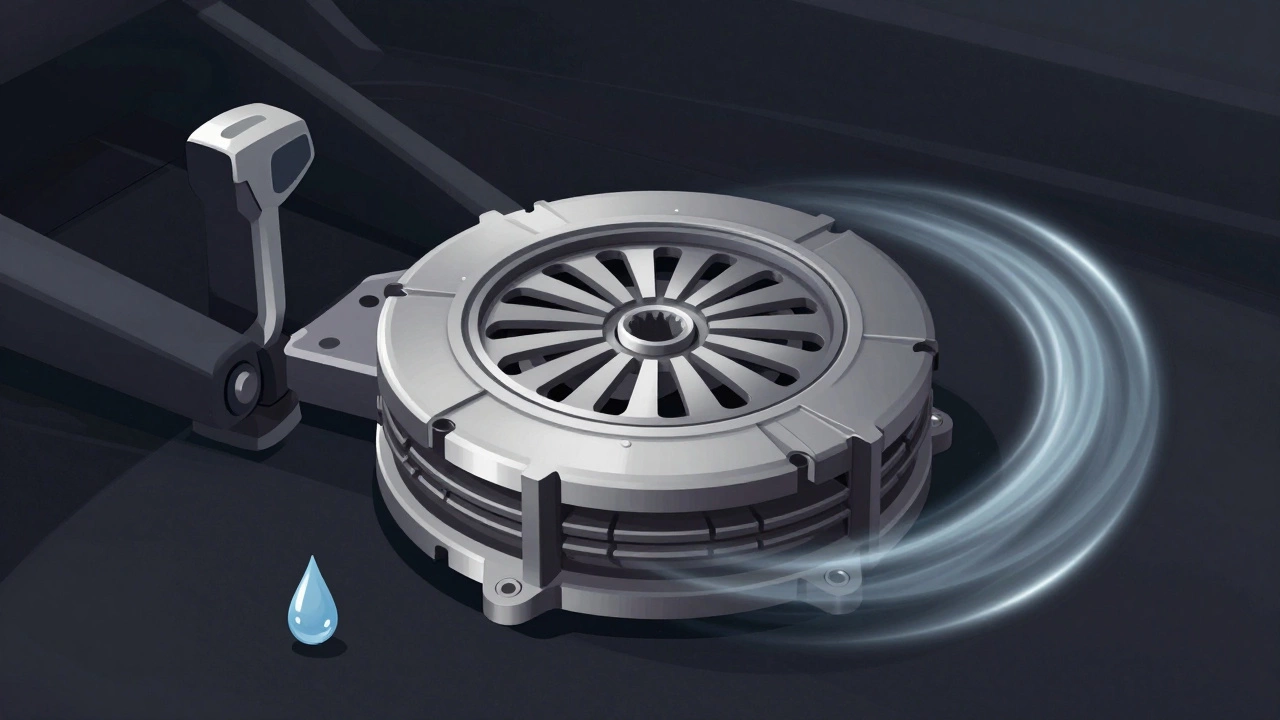
Real Clutch Mileage: What’s Normal?
Here’s a realistic breakdown based on real-world data from UK garages and owner forums:- City drivers with stop-start traffic: 30,000-60,000 miles
- Mixed urban/highway driving (average driver): 60,000-100,000 miles
- Highway-focused drivers with smooth habits: 100,000-150,000 miles
- Exceptional cases (gentle driving, high-quality parts, no abuse): 150,000-300,000+ miles
Signs Your Clutch Is Wearing Out
You don’t need a diagnostic tool to know your clutch is fading. Watch for these signs:- Engine revs rise but speed doesn’t increase (especially under load)
- Clutch pedal feels higher than before-you need to press it further to engage
- Grinding noise when shifting, even when fully depressing the pedal
- Clutch smells like burning rubber or overheated metal
- Car struggles to climb hills in higher gears
How to Make Your Clutch Last
Here’s how to turn an average clutch into a long-lasting one:- Never rest your foot on the clutch pedal-keep it off unless you’re shifting.
- Use the handbrake on hills instead of holding the clutch.
- Shift smoothly and avoid redlining before changing gears.
- Use OEM or reputable aftermarket clutch kits (Sachs, LUK, Valeo).
- Check hydraulic fluid every 20,000 miles and replace it every 40,000 miles.
- Don’t ignore oil leaks near the bell housing.
- Avoid towing heavy loads unless your car is rated for it.
What About Performance Clutches?
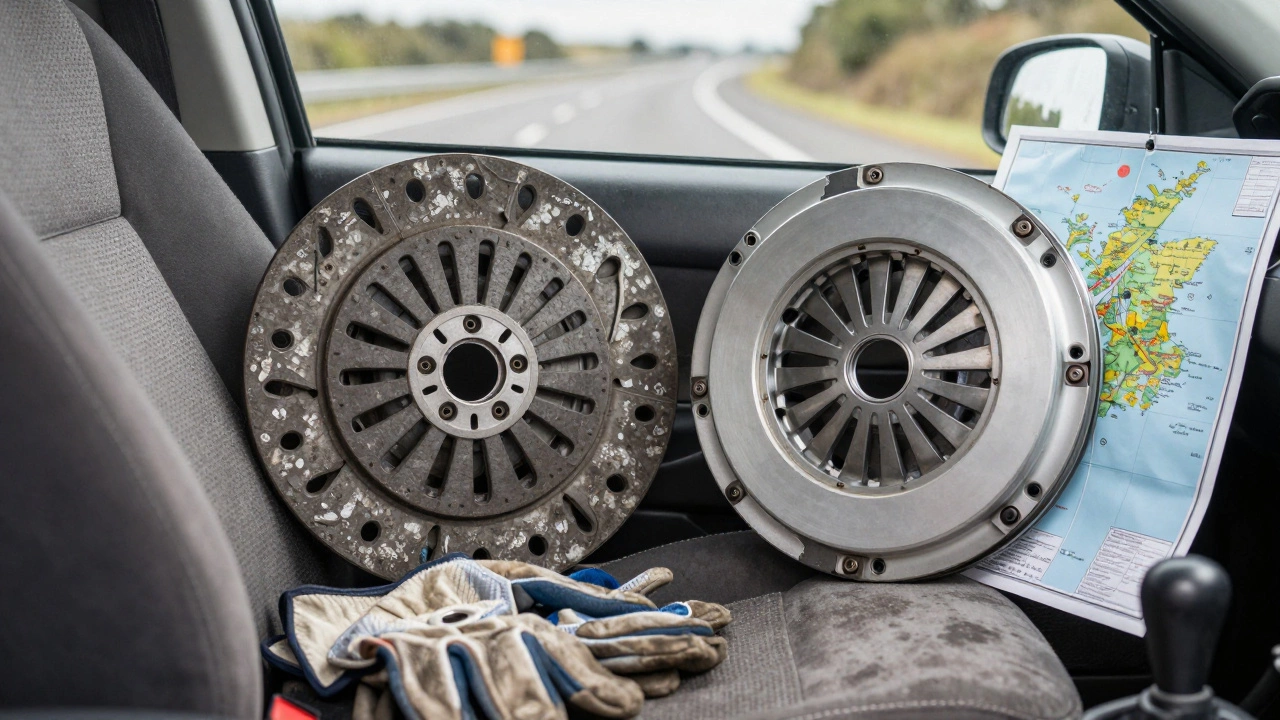
If you’ve upgraded to a sport clutch for better grip and faster shifts, you’ve traded longevity for performance. These clutches are designed for high torque and aggressive use. They’re not meant for daily driving. A racing clutch might last 10,000 miles in city traffic, but 50,000 miles on the track with proper technique. Don’t expect a performance clutch to last like an OEM one. They’re not built for comfort-they’re built for control under stress.Final Thought: It’s Not the Part, It’s the Driver
The longest-lasting clutch ever recorded wasn’t made of titanium or carbon fiber. It was a standard OEM clutch in a basic diesel hatchback. What made it special? A driver who treated it like a tool, not a toy. Who didn’t ride it, didn’t abuse it, and didn’t ignore the warning signs. If you want your clutch to last 200,000 miles or more, you don’t need the most expensive kit. You need patience, awareness, and a little discipline.Clutches don’t fail because they’re weak. They fail because they’re misused.
Can a clutch last 300,000 miles?
Yes, but only under very specific conditions. The clutch must be OEM or high-quality aftermarket, the driving style must be smooth and gentle, and the vehicle must be free of fluid leaks. There are documented cases of clutches lasting over 300,000 miles, mostly in diesel hatchbacks driven on highways with minimal stop-start traffic.
What’s the average clutch lifespan?
The average clutch lasts between 60,000 and 100,000 miles. City drivers with heavy stop-and-go traffic often see 30,000 to 60,000 miles, while highway-focused drivers with smooth habits can easily reach 150,000 miles or more.
Does using the clutch less make it last longer?
Yes-but only if you’re not riding it. The key is to fully depress the pedal when shifting and completely release it when not shifting. Resting your foot on the pedal, even lightly, causes constant friction and wears out the release bearing and pressure plate faster.
Can a bad clutch damage the gearbox?
Absolutely. A slipping or worn clutch can cause the input shaft to spin inconsistently, leading to gear tooth damage. If you delay replacement, you risk bending synchros or cracking the transmission casing. Replacing a clutch is expensive. Replacing a gearbox is far worse.
Should I replace the flywheel when replacing the clutch?
If the flywheel shows signs of wear-glazing, scoring, or warping-it should be replaced. Many mechanics recommend replacing it at the same time because the clutch and flywheel wear together. A resurfaced flywheel can work, but only if it’s still within factory thickness specs. Most modern dual-mass flywheels aren’t resurfaceable and must be replaced.
Next Steps: How to Check Your Clutch
If you’re unsure about your clutch’s condition, here’s a quick test you can do yourself:- Find a quiet, flat road.
- Engage third gear with the handbrake on.
- Slowly release the clutch while keeping the engine at 2,500 RPM.
- If the engine stalls immediately, the clutch is likely still good.
- If the engine keeps running and the car doesn’t move, the clutch is slipping.