Wiper Blade Health & Replacement Estimator
Enter your driving conditions below to get a personalized replacement recommendation. Remember, visual inspection is always the final judge.
Fill out the form to see your estimated replacement timeline.
--
Months Average Lifespan
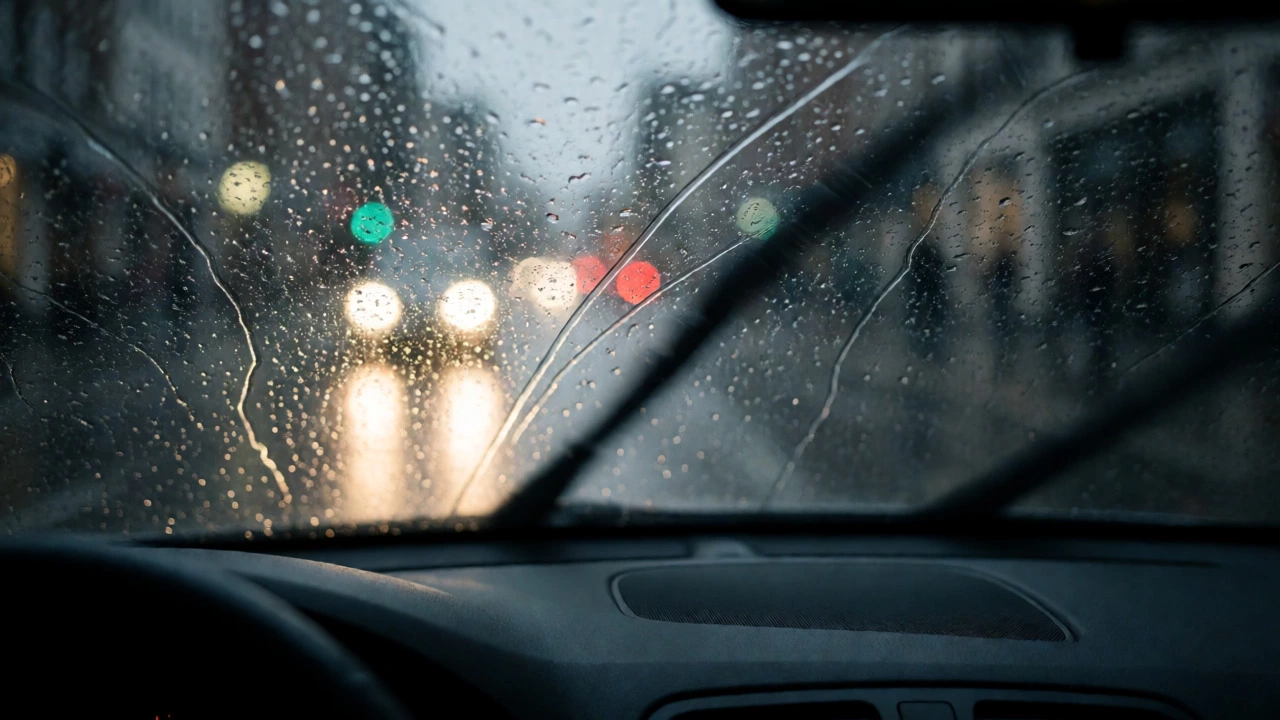
You’re driving in a sudden downpour, and the rhythmic squeak of your windshield wiper blades rubber components attached to metal arms that clear water from the windshield glass is the only thing keeping you from hydroplaning into oblivion. Then, halfway through the drive, they start skipping. Or worse, they leave streaks that turn oncoming headlights into blurry halos. It’s annoying, sure, but it’s also a safety hazard most drivers ignore until it’s too late.
So, how often should you actually change them? The short answer isn’t just "once a year." That’s a rule of thumb, not a law. The real answer depends on where you live, what you park under, and what kind of rubber you bought. Let’s break down exactly when to swap them out so you aren’t squinting through rainstorms or scraping ice off a frozen blade.
The Six-Month vs. Twelve-Month Myth
Automotive manufacturers and parts stores love to say "replace every six months." Why? Because it drives sales. But for many drivers, especially those in mild climates with garages, twelve months is plenty. For others, six months might be generous.
Rubber degradation the chemical breakdown of elastomers due to environmental stressors is the enemy here. Rubber hardens over time. When it hardens, it loses flexibility. A flexible blade conforms to the curve of your windshield; a hardened one skips across the surface like a stone on a pond. You don’t need a calendar to tell you when this happens-your eyes will.
If you live in Arizona or Florida, UV exposure breaks down rubber faster than almost anything else. In those regions, six months is a realistic target. If you’re in Seattle or London, where UV is lower but moisture is high, you might get away with nine to twelve months, provided the blades aren’t constantly stuck to the glass in freezing conditions.
Signs Your Blades Are Done For
Don’t wait for the next scheduled service appointment. Inspect your wiper system the assembly including the motor, linkage, arm, and blade every time you wash your car. Look for these specific failure modes:
- Streaking: If water beads up instead of sheeting off cleanly, the rubber edge has split or hardened. This reduces visibility significantly during night drives.
- Chattering: A noisy, hopping motion usually means the blade frame is bent or the rubber has warped. Sometimes cleaning the windshield fixes this, but if it persists, the blade is toast.
- Skipping: Large sections of the glass remain wet after a pass. This indicates the blade no longer makes uniform contact with the glass curvature.
- Torn Rubber: Visually inspect the edge. If you see nicks, tears, or chunks missing, replace immediately. A torn blade can scratch your glass if debris gets caught in the rip.
Here’s a quick heuristic: If you have to clean your windshield more than once during a single rainstorm because the view keeps getting foggy or smeared, your blades are failing.
Climate Factors That Kill Blades Fast
Where you drive matters as much as how often you drive. Let’s look at the three biggest killers of wiper life.
UV Radiation and Heat
Sunlight contains ultraviolet rays that break the polymer chains in rubber. This process, called photodegradation, turns soft rubber into brittle plastic. Cars parked outside in direct sunlight daily will experience this acceleration. If you can’t garage your car, consider using a windshield sunshade. It won’t save the wipers entirely, but it lowers the temperature under the hood and on the dashboard, indirectly helping the rubber stay cooler.
Cold and Ice
In northern states like Minnesota or Canada, winter is brutal. Water freezes between the blade and the glass. If you try to turn on your wipers while they’re frozen to the windshield, you’ll tear the rubber or burn out the motor. Always use a de-icer spray before engaging the wipers. Additionally, cold temperatures make standard rubber stiff. Beam-style wipers aerodynamic wiper blades without external metal frames often perform better in snow because there’s less structure for ice to jam into, though even they suffer in extreme cold.
Pollution and Road Grime
City driving exposes wipers to oil mist, tree sap, and bird droppings. These substances act as abrasives. Every time the wiper moves, it drags grit across the rubber edge, wearing it down faster than clean rural driving would. If you drive through construction zones or areas with heavy pollen counts, expect to replace blades closer to the six-month mark.
Blade Types and Their Lifespan
Not all wipers are created equal. The material composition dictates how long they last. Here’s a comparison of the common types you’ll find at auto parts stores.
| Blade Type | Material | Average Lifespan | Best For |
|---|---|---|---|
| Conventional (Frame) | Natural Rubber | 6-12 Months | Budget-conscious drivers in mild climates |
| Hybrid | Rubber + Aerodynamic Cover | 9-15 Months | All-season performance, moderate climates |
| Beamless | Synthetic Rubber / Silicone | 12-18 Months | Heavy rain, high speed, modern aesthetics |
| Silicone | High-grade Silicone | 18-24 Months | Extreme heat/cold, long-term value |
Synthetic rubbers, particularly silicone, resist UV damage far better than natural rubber. They cost more upfront-often double the price-but last twice as long. If you hate buying wipers, pay the extra $10-$15 per pair for silicone. It pays for itself by the second year.
How to Extend the Life of Your Wipers
You can’t stop entropy, but you can slow it down. Simple habits add months to your blades’ lives.
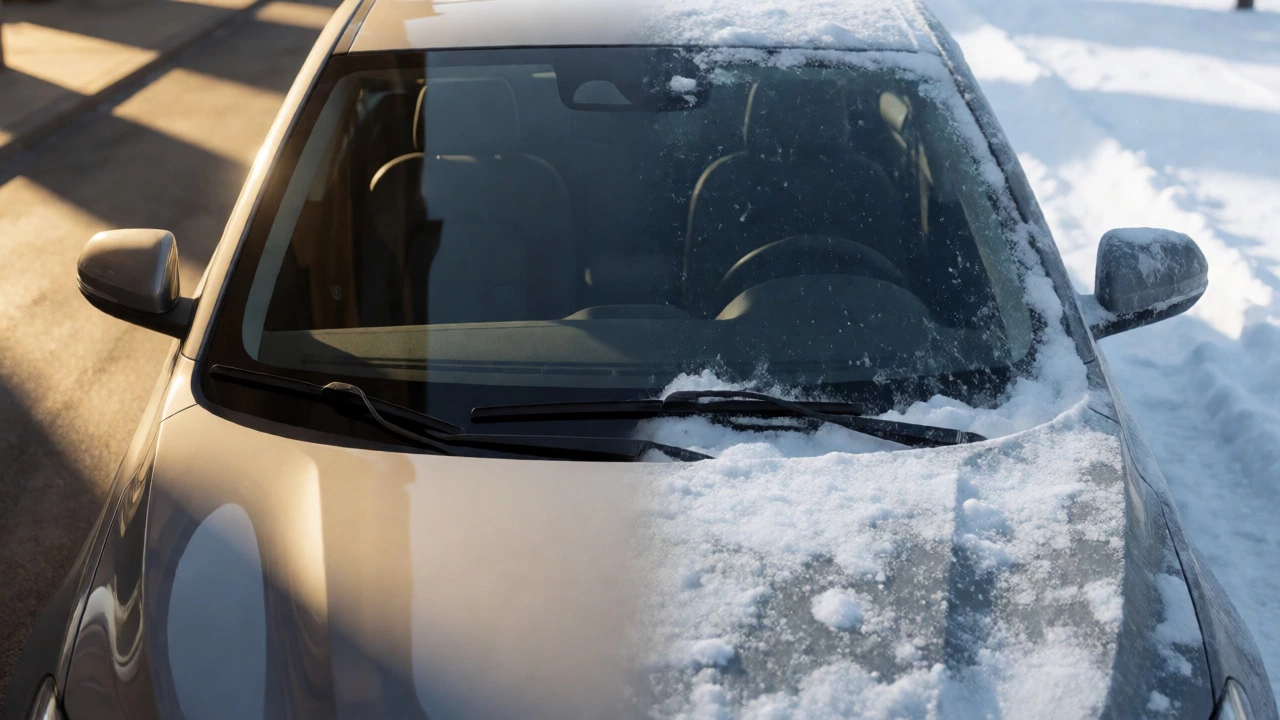
- Lift the Arms in Winter: Before a snowstorm, fold the wiper arms up against the windshield. This prevents the rubber from freezing to the glass. When you return to the car, simply lay them back down. No tearing required.
- Clean the Glass Regularly: Dirty windshields are abrasive. Use a dedicated automotive glass cleaner. Household window cleaners with ammonia can degrade rubber seals over time, so stick to automotive-specific products.
- Wipe Down the Blades: Once a month, take a damp paper towel and run it along the rubber edge of each blade. You’ll be shocked at the black grime that comes off. Removing this buildup restores smooth contact with the glass.
- Avoid Dry Wiping: Never run wipers on a dry windshield. Friction without lubrication (water) generates heat that melts and deforms the rubber edge. If you need to clear dust, use a cloth first, then spray washer fluid.
DIY Replacement: Is It Hard?
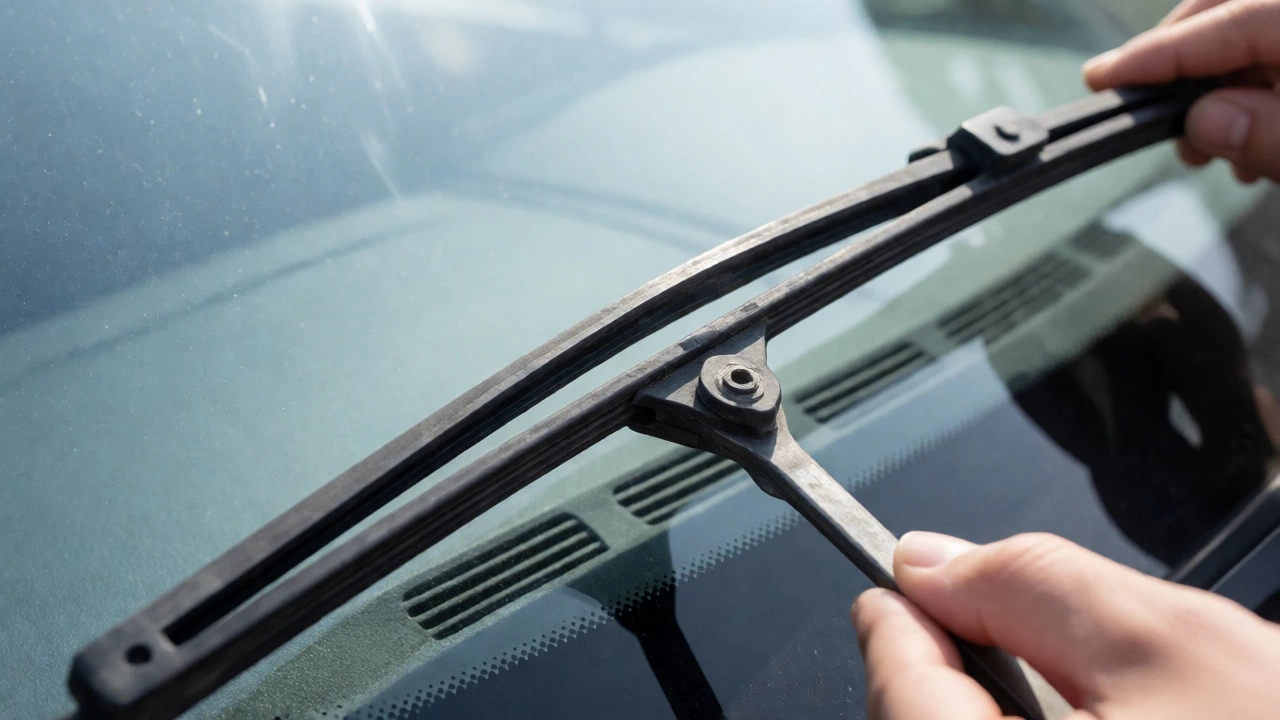
Most people pay $20-$30 at a dealership to install wipers. You can do it yourself in under five minutes with zero tools. Check your owner’s manual for the correct size (e.g., 24-inch driver, 18-inch passenger). Common attachment types include J-Hook, Side Pin, and Top Lock. Most modern cars use J-Hooks, which are incredibly easy: press the tab, slide the old blade off, slide the new one on until it clicks.
Pro Tip: Buy two blades at a time. Even if one looks fine, the other is likely nearing the end of its life. Replacing them together ensures even pressure distribution and avoids the awkward scenario of having one clear side and one streaky side.
When to Replace More Frequently
There are exceptions to the general rules. Consider replacing your wipers sooner if:
- You recently had your windshield replaced. New glass may have microscopic imperfections or different coatings that wear blades faster initially.
- You drive primarily on highways at high speeds. Increased air pressure forces blades harder against the glass, accelerating wear.
- You notice any vibration in the steering wheel when wipers are on. This could indicate a worn linkage or motor issue, but sometimes it starts with a misaligned blade.
Remember, your wipers are your primary defense against weather-related accidents. Visibility drops by up to 90% in heavy rain with poor wipers. Spending $20 on quality blades is cheaper than a fender bender caused by not seeing a red light through a smear of dirty water.
Can I repair a squeaky wiper blade?
Sometimes. Squeaking is often caused by friction between the rubber and a dirty windshield. Try cleaning both the glass and the blade edge with rubbing alcohol or a dedicated wiper cleaner. If the noise persists after cleaning, the rubber has likely hardened or warped, and replacement is necessary.
Do expensive wipers really last longer?
Yes, generally. Premium brands like Bosch or Michelin often use higher-quality synthetic rubber compounds that resist UV degradation and ozone cracking better than cheap generic brands. However, brand alone doesn't guarantee longevity; climate plays a huge role. A premium blade left in the Arizona sun will still fail faster than a budget blade kept in a garage in Oregon.
What happens if I drive with broken wipers?
You risk reduced visibility, which increases accident likelihood. Additionally, a detached blade arm can slap against the windshield, potentially cracking the glass. In some jurisdictions, driving with non-functional safety equipment like wipers can result in a traffic citation.
How do I know my wiper size?
Check your vehicle's owner's manual for exact specifications. Alternatively, measure the length of the existing rubber blade from the tip to the point where it connects to the arm. Many online retailers allow you to enter your car's year, make, and model to automatically determine the correct sizes.
Are rear wipers important?
For hatchbacks, SUVs, and minivans, yes. Rear windows collect dirt and water quickly because airflow doesn't blow it off as effectively as it does for sedans. A failed rear wiper severely limits backward visibility during rain, making lane changes and parking dangerous.