Fuel Pump Emergency Diagnostic & Action Planner
Enter your vehicle's symptoms to determine the likely cause of your no-start condition and receive specific emergency instructions based on standard automotive repair methods.
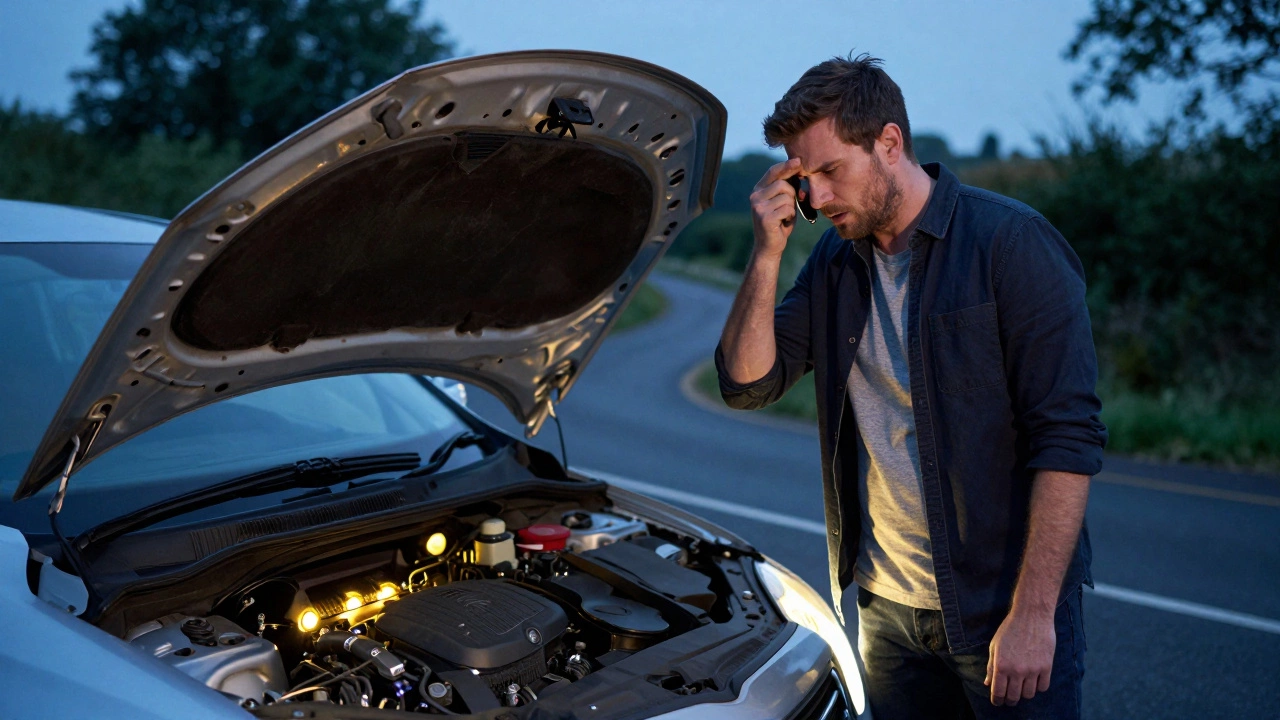
Your engine cranks but refuses to catch. You hear that familiar whirring sound-or lack thereof-and suspect the fuel pump is the electric component responsible for moving fuel from the tank to the engine at high pressure. It’s a frustrating scenario, especially if you’re stranded on the side of the road or trying to move your vehicle into a garage before winter sets in. The short answer? You generally cannot start a car with a completely dead fuel pump without external intervention. However, there are specific, temporary methods to get just enough fuel pressure to turn the key and move the car a short distance.
Before attempting any hack, understand the stakes. Modern engines rely on precise fuel delivery. Forcing fuel into the system incorrectly can flood the engine, damage the catalytic converter, or create a fire hazard. This guide covers the realistic ways to bypass a failing pump, the tools you’ll need, and why these are strictly emergency measures, not permanent fixes.
Understanding Why Your Car Won’t Start
To fix the problem, you first need to confirm it’s actually the fuel pump. Many drivers assume a no-start condition means a bad pump, but other culprits mimic the same symptoms. If you crank the engine and hear nothing but silence from the fuel tank area, the pump might be dead. If you hear a humming noise but the car still won’t start, the issue could be a clogged filter, a failed relay, or a blown fuse.
Check the basics first. A weak battery can prevent the fuel pump from spinning up even if the pump itself is fine. Listen closely when you turn the key to the 'On' position (before cranking). You should hear a faint buzz from the rear of the car for about two seconds. No buzz? Check the fuel pump fuse and relay in your fuse box. These are cheap, easy replacements. If the fuse blows again immediately after replacement, you have an electrical short in the pump motor itself.
| Symptom | Likely Cause | Action |
|---|---|---|
| No sound from tank, no crank | Dead battery or starter motor | Jump start or check starter |
| Crank, no sound from tank | Fuel pump failure, fuse, or relay | Check fuses/relays; test pump voltage |
| Humming sound, no start | Clogged filter, bad injectors, or timing belt | Check fuel pressure; inspect ignition |
| Intermittent starting | Failing pump motor or wiring harness | Inspect connectors; replace pump |
Method 1: Using an External Portable Fuel Pump
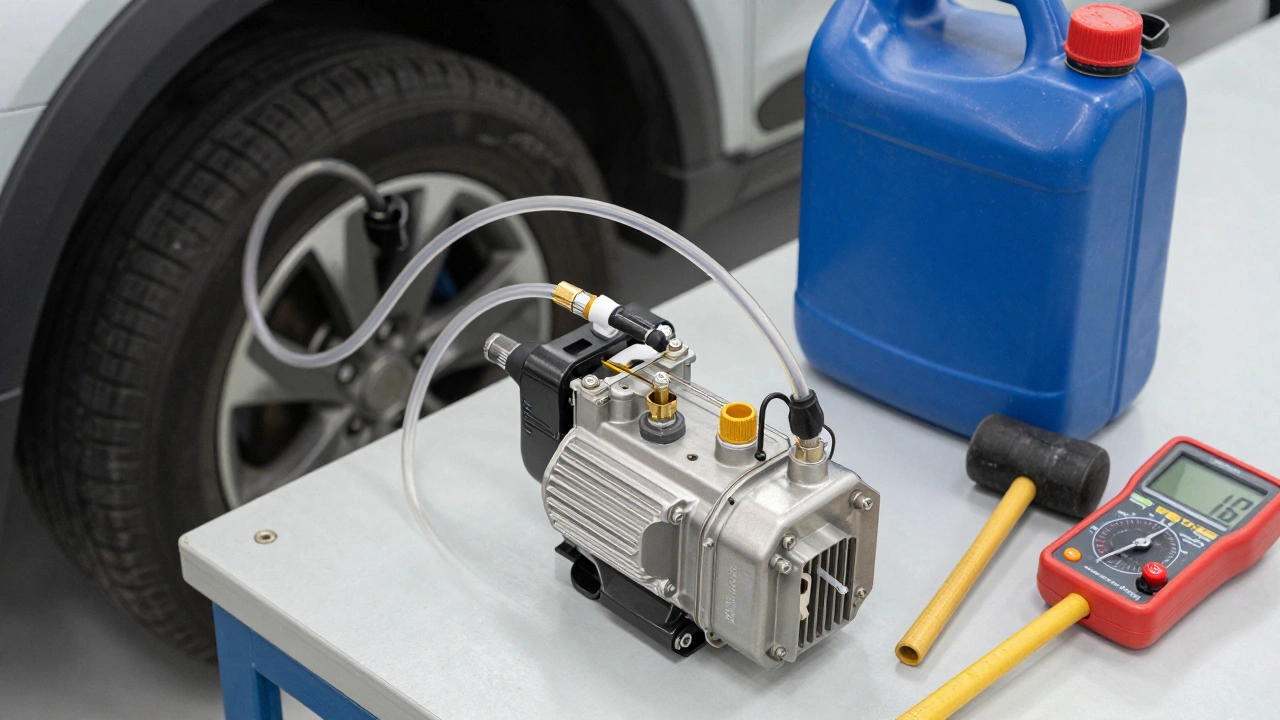
The safest and most effective way to start a car with a bad internal fuel pump is to use an external portable fuel pump. These devices are designed for this exact purpose. They connect between a gas can and the vehicle’s fuel intake, providing the necessary pressure to prime the engine.
You will need a small container of gasoline (ensure it’s the correct octane for your vehicle) and a portable electric fuel pump rated for automotive use. These pumps typically cost between $30 and $60 and can be found at auto parts stores or online. Here is how to do it:
- Locate the Fuel Intake: On many cars, you can access the fuel line where it enters the engine bay. Alternatively, some vehicles allow you to disconnect the fuel line at the frame rail near the tank. Consult your vehicle’s service manual for the exact location.
- Disconnect the Line: Carefully disconnect the fuel line from the vehicle. Place a rag underneath to catch any drips. Have a helper ready to assist.
- Connect the External Pump: Attach one end of the external pump’s hose to the gas can and the other end to the vehicle’s fuel intake port. Ensure all connections are tight to prevent leaks.
- Prime the System: Turn on the external pump. Let it run for a few seconds to push fuel through the lines and remove air bubbles. You may need to cycle the ignition key to 'On' and 'Off' a few times while the pump is running to build residual pressure.
- Start the Engine: With the external pump still running, attempt to start the car. Once the engine catches, let it idle for a minute. Then, carefully turn off the external pump and reconnect the original fuel line if possible, or drive slowly to the nearest repair shop with the external pump still attached (if safe and legal).
This method works because it bypasses the faulty internal pump entirely. It provides consistent pressure, which is critical for modern fuel-injected engines. Older carbureted vehicles might start with gravity feed, but modern direct-injection systems require significant pressure (often 40-60 PSI) to function.
Method 2: Tapping the Fuel Tank (The "Knock" Test)
If your fuel pump isn’t completely dead but has worn brushes or a stuck impeller, you might be able to jar it back into life temporarily. This is known as the "knock test." It’s not a fix, but it can buy you enough time to get home or to a mechanic.
Here’s what you do:
- Open the trunk or liftgate.
- Have a helper turn the key to the 'On' position.
- Gently tap the center of the fuel tank (usually accessible through the trunk floor panel) with a rubber mallet or the handle of a screwdriver. Do not hit hard enough to dent the metal.
- If the pump starts buzzing, try starting the engine immediately.
Why does this work? Inside the pump, carbon brushes make contact with a rotating commutator. Over time, these contacts wear down or become coated with debris. A sharp tap can momentarily clear the obstruction or shift the brushes into better contact. If this works, your pump is on its last legs. Replace it immediately.
Method 3: Jumping Power Directly to the Pump
If the pump receives power but the relay or fuse is faulty, you can bypass the electrical circuit by sending power directly to the pump. This requires basic electrical knowledge and caution. Never do this near open flames or sparks.
- Locate the Fuel Pump Connector: This is usually under the rear seat or in the trunk, accessed by removing a panel. Unplug the electrical connector from the pump.
- Identify the Pins: Most pumps have two pins: positive (+) and negative (-). Use a multimeter to determine which pin is positive when the key is turned to 'On'. If you don’t have a multimeter, consult a wiring diagram for your specific vehicle model.
- Create Jumper Wires: Use insulated wires with alligator clips. Connect one clip to the positive terminal of your battery and the other to the positive pin of the fuel pump connector. Connect another wire from the negative battery terminal to the negative pin.
- Test: You should hear the pump run. If it does, leave the jumper wires connected while you start the car. Drive carefully to a repair shop.
Note: This method only works if the pump motor itself is functional but not receiving power due to a broken wire, bad relay, or corroded connector. If the pump is mechanically seized, jumping power will do nothing and may burn out the new wiring.
What NOT to Do: Dangerous Myths
Internet forums are full of dangerous advice. Avoid these methods at all costs:
- Pouring Gasoline into the Carburetor/Intake: This is for old carbureted engines only. In modern fuel-injected cars, pouring gas into the throttle body or intake manifold can cause hydrolock, flooding the cylinders with liquid fuel that cannot compress. This can bend connecting rods and destroy your engine.
- Using a Shop Vac: Trying to suck air out of the fuel line to create a vacuum will not generate sufficient pressure for modern injectors. It’s ineffective and risks damaging the vacuum lines.
- Kicking the Tire or Shaking the Car: Unlike the gentle tap on the tank, violent shaking can damage the fuel sender unit, crack the plastic tank, or dislodge the pump assembly, leading to fuel leaks.
When to Call a Tow Truck
Some situations are not worth the risk. If you smell gasoline strongly, stop everything. If the fuel leak is visible, do not attempt to start the car. If you are unfamiliar with electrical systems or fuel lines, call a professional. A tow truck costs less than a rebuilt engine or a hospital visit.
Also, consider the age and value of your car. If the vehicle is older and the repair cost exceeds its value, towing it to a junkyard or selling it for parts might be more economical than attempting complex field repairs.
Preventing Future Fuel Pump Failures
Fuel pumps cool themselves using the fuel flowing through them. Running your tank below 1/4 full regularly exposes the pump to heat and allows sediment from the bottom of the tank to enter the system. To extend pump life:
- Keep the fuel tank above 1/4 full at all times.
- Use high-quality fuel filters and replace them according to the manufacturer’s schedule.
- Avoid driving with low fuel warnings on repeatedly.
- Consider adding a fuel system cleaner annually to remove varnish and deposits.
Can I start my car if the fuel pump is completely dead?
Not without external help. A completely dead pump cannot deliver fuel. You must use an external portable pump, jump power directly to the pump (if the motor works), or tow the vehicle. You cannot simply "push start" a fuel-injected car like an old manual transmission car because the engine needs pressurized fuel to ignite.
Is it safe to drive with a failing fuel pump?
It is risky. A failing pump can lose pressure suddenly, causing the engine to stall while driving. This can lead to loss of power steering and brake assist, increasing accident risk. Additionally, a seizing pump can overheat and potentially melt nearby components or cause a fire. Replace it immediately.
How much does it cost to replace a fuel pump?
Parts typically range from $50 to $300 depending on the vehicle. Labor can add $100 to $400, especially if the pump is located inside the fuel tank and requires dropping the tank or removing the rear seat. Total costs often fall between $200 and $700.
Can a bad fuel pump cause engine damage?
Indirectly, yes. If the pump delivers inconsistent pressure, the engine may run lean (too much air, not enough fuel), causing overheating and potential piston damage. If it fails completely while driving, sudden stalling can be dangerous, though it rarely damages the engine mechanically unless hydrolock occurs from improper troubleshooting.
Where is the fuel pump located in most cars?
In most modern vehicles, the fuel pump is submerged inside the fuel tank, usually accessed through a panel under the rear seat or in the trunk. Some older models or performance cars may have the pump located along the frame rail near the tank.