Front vs. Rear Brake Diagnostic Tool
Select the symptoms you are experiencing while driving. This tool will analyze the signs to suggest whether your front or rear brakes are likely failing.
Vibration & Feel
Handling & Stability
Noise
Check the boxes on the left that match your experience and click Analyze Symptoms.
Result
Explanation goes here.
Picture this: you're cruising down the M60, and suddenly your steering wheel shudders when you tap the pedal. Or maybe you hear a high-pitched squeal that sounds like a banshee every time you slow for a roundabout. It’s annoying, sure, but it’s also a warning light flashing in your face. The big question isn't just "are my brakes bad?"-it's "which ones are failing?" Knowing whether the trouble lies with your front brakes or rear brakes can save you money and, more importantly, keep you safe.
Most drivers assume all brakes work equally hard. They don’t. In fact, about 70-80% of your stopping power comes from the front wheels. Why? Physics. When you hit the brakes, your car’s weight shifts forward, slamming pressure onto the front tyres and discs. This makes the front components wear out faster and fail sooner. But ignoring the rear is risky too. If your rear brakes give up, your car can spin out during emergency stops. So, how do you tell the difference without stripping the wheels off? Let’s break down the specific symptoms, tests, and signs for each end of your vehicle.
The Front End: High-Stress Workhorses
Your front brakes take the beating. They handle the majority of deceleration force, which means they heat up faster and wear down quicker. If you’re noticing problems, start here because it’s the most likely culprit.
Vibration through the pedal or steering wheel is the classic sign of warped front brake discs (rotors). Imagine driving at 40 mph and gently pressing the brake. If you feel a pulsing sensation in the pedal or a wobble in the steering wheel, your front rotors are likely uneven. This happens when the metal overheats and distorts slightly. It’s not always catastrophic immediately, but it reduces braking efficiency and will get worse. You might think it’s a tyre balance issue, but if the vibration only happens when braking, it’s almost certainly the rotors.
Pulling to one side while braking points to an uneven grip between the left and right front calipers. Maybe one caliper piston is sticking, causing that side to drag, or perhaps one brake pad has worn completely down while the other still has life left. This is dangerous because it can make the car veer unexpectedly into another lane. Check your tyre pressures first-if they’re even-and then look at the front brake pads. If one looks significantly thinner than the other, you’ve found your problem.
Squealing or grinding noises from the front are usually easier to isolate. Because the front brakes are exposed to more debris and heat, the metallic wear indicators on the pads often trigger earlier. A sharp squeal usually means the pads are thin and the indicator tab is touching the rotor. A deep, harsh grind means the pad material is gone, and the metal backing plate is chewing up the rotor surface. At this stage, you’re destroying expensive parts. Stop driving if you hear grinding.
The Rear End: Stability and Parking
Rear brakes do less heavy lifting, but they play a critical role in stability and holding the car still. Problems here often sneak up on you because the symptoms are subtler.
A spongy or soft brake pedal can indicate air in the lines or a master cylinder issue, but if it feels like the pedal goes to the floor slowly, check the rear brakes. Rear drum brakes (common on older cars) or rear disc brakes with integrated parking mechanisms can suffer from hydraulic leaks or seized adjusters. If the rear shoes aren’t engaging properly, the system compensates by pushing the pedal further down.
Shaking or fishtailing under hard braking is a terrifying sensation. If the back end of your car feels loose or starts to slide sideways when you slam the brakes, your rear brakes might be locking up or failing to provide consistent friction. This is often due to glazed brake pads or drums that have lost their grip. Unlike the front-end wobble, this affects the car’s trajectory rather than just the steering feel.
Parking brake failure is directly linked to the rear brakes. On many cars, the handbrake acts on the rear discs via a small mechanical arm or on rear drums. If your car rolls away on a slight incline despite pulling the handbrake tight, your rear brake components are compromised. Inspect the rear cables for rust or snapping, and check if the rear pads/shoes have enough material left to engage.
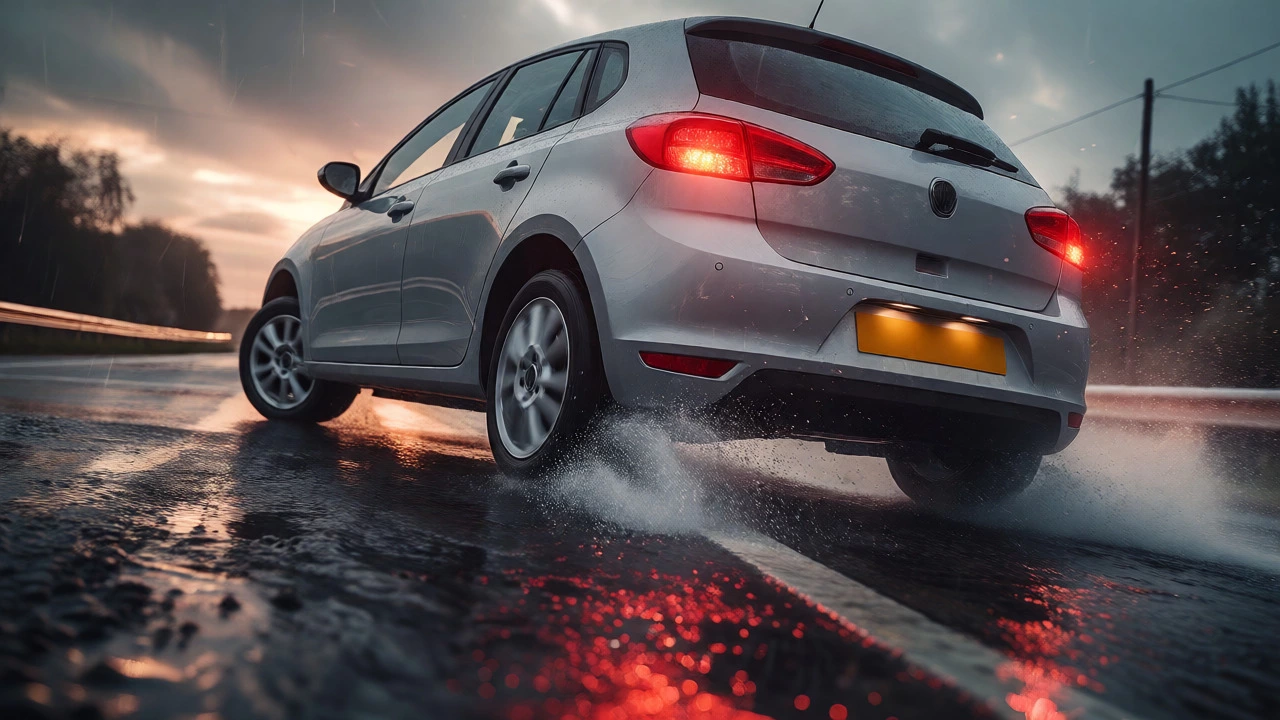
Visual Inspection: What to Look For
You don’t need a mechanic’s lift to check your brakes. A torch and some patience will do. Here’s what to look for on both ends.
| Component | What to Check (Front) | What to Check (Rear) |
|---|---|---|
| Pad Thickness | Look through spokes. Friction material should be >3mm. Less than 1.5mm needs replacement. | Same rule applies, though they may last twice as long as fronts. |
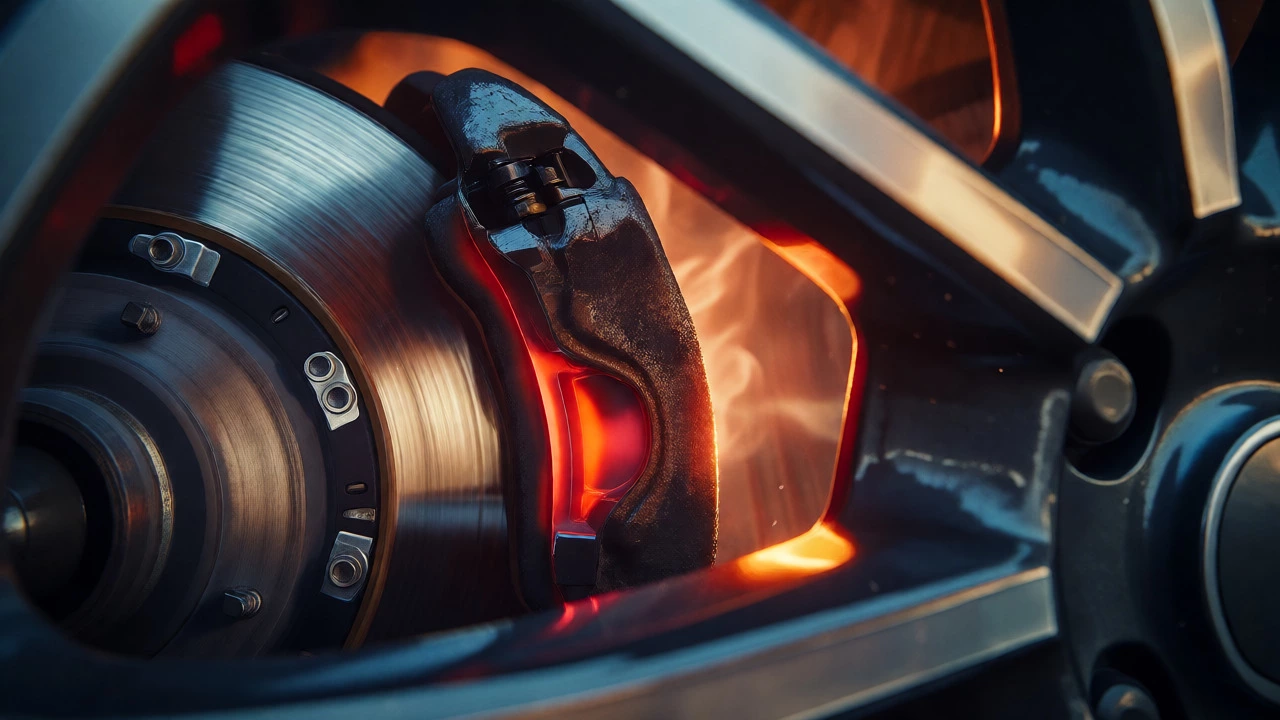
| Disc/Rotor Surface | Check for deep grooves, blue discolouration (overheating), or visible warping. | Less prone to warping, but check for scoring from stuck calipers. |
| Caliper Condition | Look for brake fluid leaks around the piston boot. | Check for seized sliding pins; common cause of uneven rear wear. |
| Dust Buildup | Heavy black dust is normal, but excessive dust on one side indicates dragging. | Dust inside the rim area suggests rear pads are working hard or sticking. |
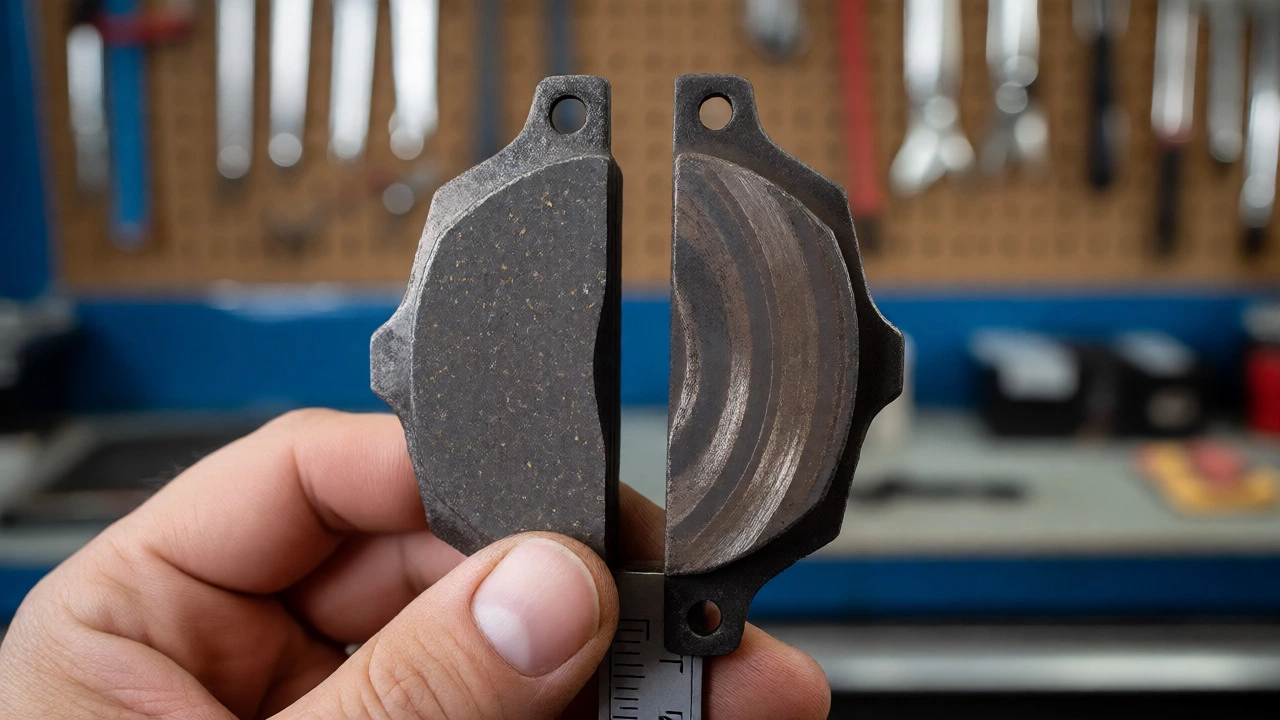
When inspecting the brake pads, remember that new pads are typically 10-12mm thick. Once the friction material drops below 3mm, you’re in the danger zone. Many modern pads have a built-in metal tab that scrapes the rotor when thin, creating noise. If you see no metal tab, rely on visual thickness. Don’t guess. If it looks thin, it probably is.
DIY Tests to Isolate the Problem
If visual checks are inconclusive, try these simple road tests. Do them in a safe, empty area like a quiet industrial estate.
- The Low-Speed Squeak Test: Drive slowly (5-10 mph) and apply gentle brake pressure. Listen carefully. If the squeal comes from the front, it’s likely front pads. If it’s muffled or coming from behind, check the rears. Note: Some cars have sensors only on the front axle.
- The Pull Test: Find a straight, flat road. Accelerate to 30 mph and brake firmly but smoothly. Watch where the car drifts. If it pulls left, the left front caliper might be weak or the right front is dragging. If it pulls left but the steering wheel stays straight, the issue could be rear-end bias.
- The Pedal Pulse Test: As mentioned, pedal pulse usually equals front rotor warp. To confirm, drive at 40 mph and lightly brush the brakes. If the pulse intensifies with harder braking, it’s definitely the front rotors. Rear rotor issues rarely cause noticeable pedal feedback because the rear contributes less to the total braking force felt at the pedal.
- The Handbrake Hold: Park on a hill. Apply the handbrake fully. Turn off the engine. Try to roll forward gently in gear. If the car moves, the rear brakes (or handbrake mechanism) are failing. This doesn’t necessarily mean the main service brakes are bad, but it confirms a rear-end weakness.
Why Confusing Them Costs Money
Misdiagnosing your brakes leads to unnecessary repairs. If you replace rear pads when the front rotors are warped, you’ll still feel the vibration. Conversely, replacing front components while ignoring leaking rear calipers leaves a safety hazard. Mechanics sometimes recommend replacing all four pads at once for convenience, but if your fronts are at 2mm and rears are at 8mm, you’re wasting cash on the rears. Unless the rears are close to minimum spec, focus on the front first.
Also, consider your driving style. City driving with frequent stop-starts kills front brakes quickly. Highway driving with occasional braking is gentler. If you tow a trailer or carry heavy loads, your rear brakes work harder than usual and may need attention sooner. Always factor in your usage patterns when diagnosing wear.
When to Call a Professional
Some things require a pro’s touch. If you suspect a hydraulic leak, don’t mess with it. Brake fluid is corrosive and essential for pressure. If the pedal sinks to the floor, stop driving immediately-tow the car. Similarly, if you hear grinding, you’ve likely damaged the rotors. Replacing pads alone won’t fix the scored surfaces; you’ll need new rotors too. A professional can measure rotor thickness and runout with micrometers to ensure they’re within manufacturer specs, something difficult to do accurately at home.
Can I drive with bad front brakes?
It depends on the severity. If the pads are merely noisy but still have material, you can drive cautiously to a garage. However, if you experience grinding, significant pulling, or pedal vibration, avoid driving. The risk of complete brake failure or loss of control is too high.
How often should I replace rear brake pads?
There is no fixed mileage. Generally, rear pads last 2 to 3 times longer than front pads because they handle less load. For many UK drivers, this means 40,000 to 60,000 miles. Always inspect them visually every 10,000 miles or during oil changes.
Does a squeaky brake always mean replacement?
Not always. Light surface rust after rain can cause temporary squealing. Also, some semi-metallic pads squeak naturally when cold. However, persistent squealing that continues after several stops usually indicates the wear indicator is active, signalling replacement is needed soon.
Why does my car pull to the right when braking?
Pulling to the right usually means the left brake is gripping harder than the right. This could be due to a stuck left caliper piston, contaminated left brake pad (oil/grease), or a collapsed hose on the right side restricting flow. It is primarily a front-end issue.
Are front brakes bigger than rear brakes?
Yes, on most passenger cars, front brake discs and pads are larger than those at the rear. This is designed to dissipate the greater heat generated by the higher workload placed on the front axle during deceleration.