Air Filter Replacement Calculator
How This Works
Enter your vehicle type or home usage details, and we'll calculate when to replace your air filter based on expert recommendations from the article.
Pro Tip: Replacing filters regularly prevents 30% higher airborne particulates and saves you hundreds in potential repairs.
Ever wonder why your car’s engine sputters after a long drive through dusty roads? Or why your allergies flare up every time you turn on the heater? The answer often lies in something small, cheap, and easily ignored: the air filter.
Why Air Filters Exist at All
Air filters don’t just clean the air-they protect what matters most. Whether it’s inside your car engine or your home HVAC system, air filters trap dust, pollen, dirt, and other particles before they can cause damage. Without them, your engine would wear out faster. Your lungs would suffer. And your HVAC system would break down sooner than expected.It’s simple: air is full of stuff you don’t want. In a car, that stuff gets sucked into the engine along with the fuel. In your house, it circulates through the vents. Filters stop the bad stuff. They’re not optional. They’re essential.
How Car Air Filters Work
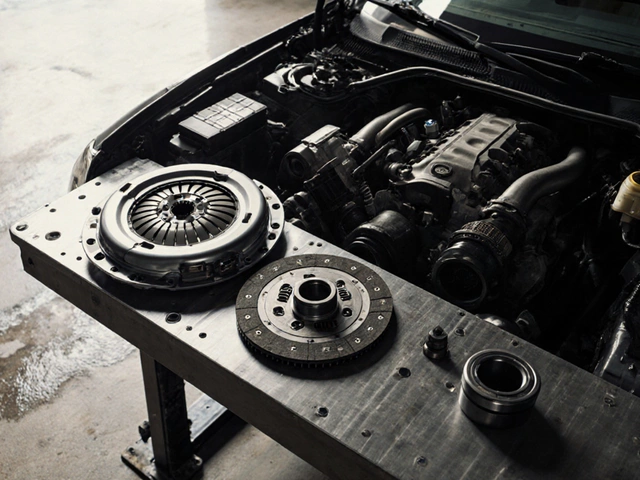
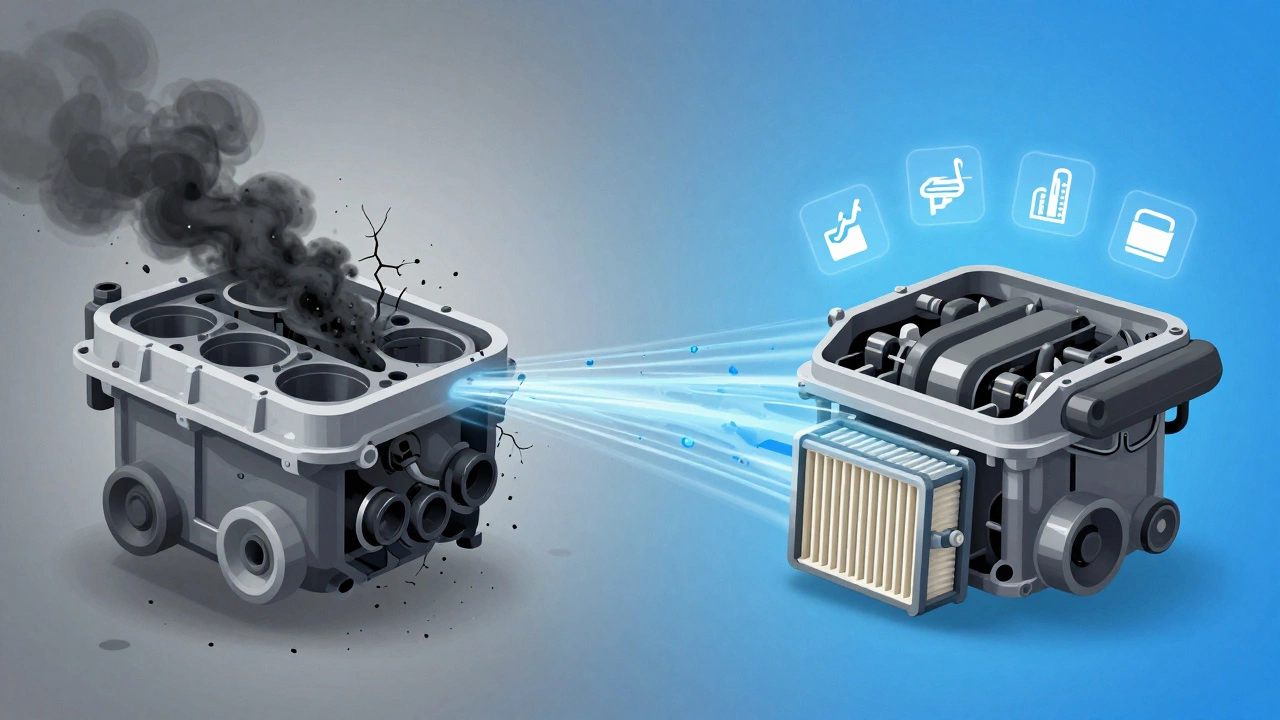
Your car’s engine needs air to burn fuel efficiently. But it doesn’t need dirt, leaves, sand, or bugs mixed in. That’s where the engine air filter comes in. It sits between the outside air and the engine’s intake system. As air flows in, the filter’s pleated paper or foam material catches particles as small as 5 microns-smaller than a grain of salt.A dirty air filter doesn’t just reduce airflow. It forces the engine to work harder. That means less power, worse fuel economy, and higher emissions. In extreme cases, a clogged filter can cause the engine to misfire or even overheat. Many mechanics say a neglected air filter is one of the top reasons for premature engine wear.
Most car manufacturers recommend replacing the engine air filter every 12,000 to 15,000 miles. But if you drive on dirt roads, in dusty cities, or during pollen season, you might need to swap it out every 6,000 miles. Check your owner’s manual. Look at the filter itself-if it’s dark gray or clogged with debris, it’s time for a new one.
What About Cabin Air Filters?
While the engine air filter protects your car’s mechanics, the cabin air filter protects you. This smaller filter sits in the HVAC system and cleans the air that blows into your car’s interior. It stops pollen, smoke, exhaust fumes, and even mold spores from entering your breathing space.Many people don’t realize their car has one. But if you notice a musty smell when you turn on the AC, or if the airflow feels weaker than usual, your cabin filter is probably clogged. Replacing it is cheap and easy-often under $20 and takes less than 10 minutes. Most manufacturers suggest replacing it every 15,000 to 25,000 miles, or once a year, whichever comes first.
Home Air Filters: More Than Just Dust
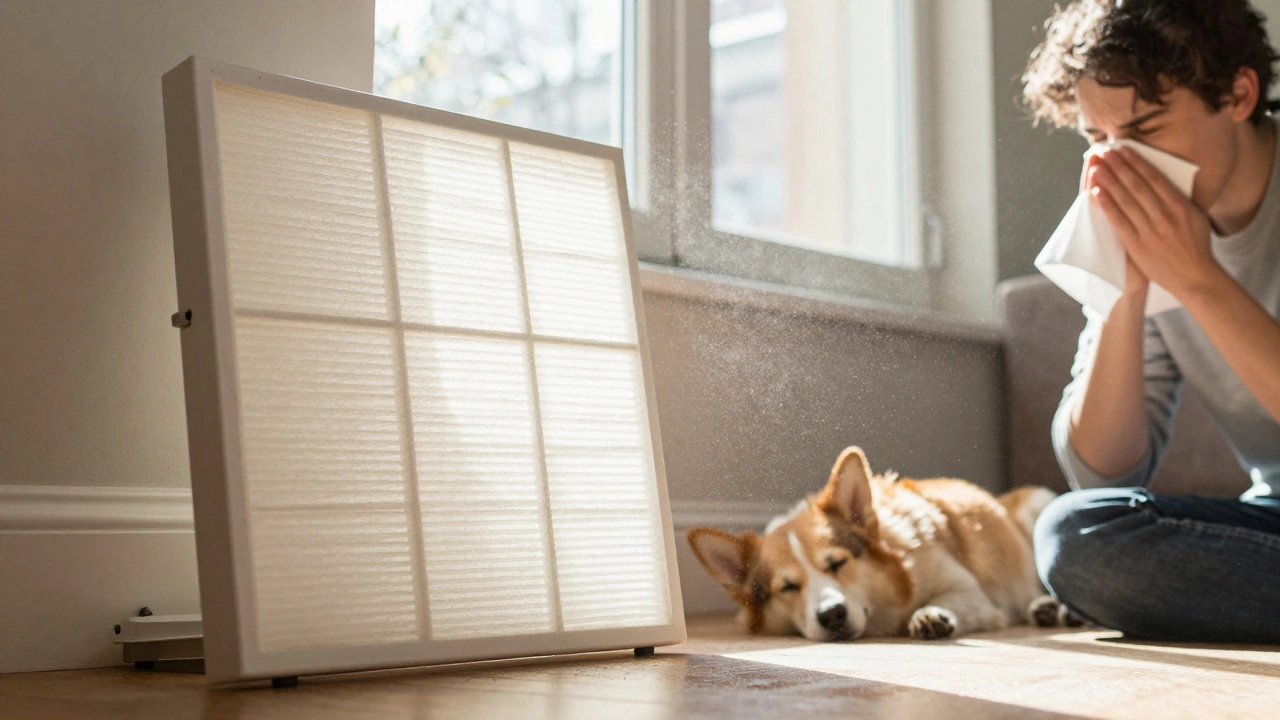
Your home’s air filter does the same job as your car’s-but for your living space. It’s built into your furnace, air conditioner, or air purifier. It pulls air through a mesh or fiberglass material, trapping dust, pet dander, mold, and even some bacteria.If you have allergies, asthma, or pets, this filter is critical. A dirty home air filter doesn’t just reduce efficiency-it recirculates allergens. Studies show that replacing a clogged HVAC filter can improve indoor air quality by up to 40%. That’s not a minor improvement. That’s a health difference.
Standard 1-inch filters should be changed every 30 to 90 days, depending on usage. If you have pets, live in a dusty area, or run your HVAC constantly, change it every 30 days. Higher-end pleated filters or HEPA models last longer-up to 6 months-but they cost more. Don’t assume all filters are the same. Check the MERV rating. MERV 8 is fine for most homes. MERV 13 or higher is better for allergy sufferers.
What Happens When You Skip Replacements?
Skipping filter changes isn’t just lazy-it’s expensive.In cars, a clogged engine air filter can drop fuel efficiency by up to 10%. That’s like paying an extra $0.50 per gallon. Over a year, that adds up to hundreds of dollars. Worse, it can cause long-term engine damage. Replacing a filter costs $20. Replacing a damaged engine costs thousands.
In homes, a dirty filter forces your HVAC system to run longer to maintain temperature. That increases energy bills by 15% or more. It also leads to premature breakdowns. The average HVAC repair costs $300. A new filter? $10.
And then there’s health. A 2023 study from the American Lung Association found that households with overdue air filters had 30% higher levels of airborne particulates. Kids and elderly people were most affected. Breathing dirty air isn’t just uncomfortable-it’s dangerous over time.
How to Choose the Right Filter
Not all filters are made equal. Here’s what to look for:- For cars: Match the size and type listed in your owner’s manual. OEM (original equipment manufacturer) filters are often the best bet. Aftermarket filters can be cheaper, but avoid the ultra-cheap ones-they fall apart too easily.
- For homes: Look at the MERV rating. MERV 8-11 is ideal for most families. MERV 13+ is for homes with allergy sufferers or smokers. Avoid filters labeled "electrostatic" unless they’re HEPA-certified-many are marketing hype.
- For both: Check the packaging for the exact dimensions. A filter that’s too small lets air bypass it. One that’s too big won’t fit.
Pro tip: Buy filters in packs of 3 or 4. They don’t expire. Stock up during sales. You’ll save money and never get caught off guard.
When to Replace: A Quick Checklist
Use this simple guide to know when it’s time:- Your car feels sluggish or uses more gas than usual
- You smell damp or musty air when the AC turns on
- There’s visible dust on your vents or furniture
- Your allergy symptoms get worse indoors
- The filter looks gray or black when held up to light
- It’s been more than 3 months since your last change
If two or more of these apply, replace it now. Don’t wait for a warning light. Most cars don’t even have one for air filters.
Final Thought: It’s Not a Luxury-It’s Basic Maintenance
Air filters are one of the easiest, cheapest, and most effective maintenance tasks you can do. They cost less than a coffee. They take less time than scrolling through social media. And they protect your health, your wallet, and your equipment.Don’t treat them like an afterthought. Make them part of your routine. Change your car’s air filter every oil change. Swap your home filter every season. It’s that simple. And it makes a real difference.
Can I clean and reuse my air filter?
Most disposable air filters-whether for your car or home-are not meant to be cleaned. Washing them damages the fibers and reduces their effectiveness. Some high-end reusable filters exist, like oiled cotton filters for performance cars, but they require special cleaning kits and proper re-oiling. For 95% of users, replacing the filter is safer, cheaper, and more reliable than trying to clean it.
Does a better air filter improve gas mileage?
Yes, but only if your old filter was clogged. A clean, properly fitting filter allows your engine to breathe easier, which can improve fuel efficiency by up to 10%. But switching from a standard filter to a "performance" filter won’t boost mileage if your current one is already clean. The key is cleanliness, not brand or type.
Can I drive without an air filter?
Technically, yes-but you shouldn’t. Driving without an engine air filter lets dirt and debris enter the cylinders. This causes rapid wear on pistons, valves, and cylinder walls. Even a short drive without a filter can cause permanent damage. If your filter falls out while driving, stop immediately and replace it before continuing.
Do air filters help with odors?
Standard air filters don’t remove odors-they trap particles. But some cabin and home filters come with activated carbon layers that absorb smells from smoke, cooking, or pets. If odor control is your goal, look for filters labeled "carbon-infused" or "odor-reducing." They cost a bit more but work well for homes with smokers or pets.
How do I know if my home air filter is working?
If your air feels cleaner, your allergies are better, and your HVAC runs quietly without cycling nonstop, your filter is likely doing its job. Visually, a clean filter should look white or light gray. If it’s dark brown or black, it’s overdue. You can also hold it up to a bright light-if you can’t see light through it, replace it.