Windshield Washer Fluid Freezing Calculator
Current Temperature
Why This Matters
Using improper fluids like Windex can cause:
- Wiper blade damage High Risk
- Freezing in reservoir High Risk
- System corrosion High Risk
Safety Result
Recommended Fluid Freezing Points
| Fluid Type | Freezing Point | Best For |
|---|---|---|
| Standard Washer Fluid | -20°F (-29°C) | Temperatures above -10°F |
| Winter Washer Fluid | -50°F (-46°C) | Temperatures below -30°F |
| Windex | -20°F (-29°C) | NOT RECOMMENDED |
You're driving on a dusty road when your windshield wiper fluid runs out. You check the garage and find a bottle of Windex. It cleans glass, so why not use it? But here's the truth: using Windex as windshield wiper fluid is a bad idea that can cost you money in repairs.
Why People Consider Using Windex for Wiper Fluid
Many drivers think Windex works for car windshields because it's a glass cleaner. It cuts through dirt and grime fast. You might assume it's safe for your car's washer system too. But home glass cleaners like Windex aren't made for vehicles. Cars need fluids that handle extreme temperatures, protect rubber parts, and don't damage metal components. Using household products can cause serious problems you didn't expect.
The Risks of Using Windex in Your Windshield Washer System
Windex contains ammonia and other chemicals designed for home use. These ingredients cause real damage when used in your car. Let's break down the risks clearly.
| Property | Windex | Windshield Washer Fluid |
|---|---|---|
| Composition | Ammonia, surfactants, water | Methanol/ethanol, surfactants, water |
| Freezing Point | -20°F (-29°C) for some versions | -20°F to -50°F (-29°C to -46°C) depending on grade |
| Wiper Blade Compatibility | Harms rubber over time | Safe for rubber |
| System Corrosion Risk | High (ammonia can corrode metal parts) | Low (formulated for automotive systems) |
| Paint Safety | Potential damage to clear coat | Safe for paint |
Ammonia in Windex eats away at rubber wiper blades. You'll notice streaks on your windshield sooner than usual. The blades harden and crack faster. Replacing them every few months instead of once a year adds up. Mechanics see this often. One mechanic told me, "I've fixed more wiper blade issues from Windex than from actual road debris."
Windex doesn't have enough antifreeze properties. In winter, it freezes inside the reservoir. Frozen fluid can crack the plastic tank or burst the hoses. Repairing a cracked reservoir costs $100-$200. A new washer pump adds another $50-$150. Proper winter washer fluid handles temperatures down to -50°F (-46°C) without freezing.
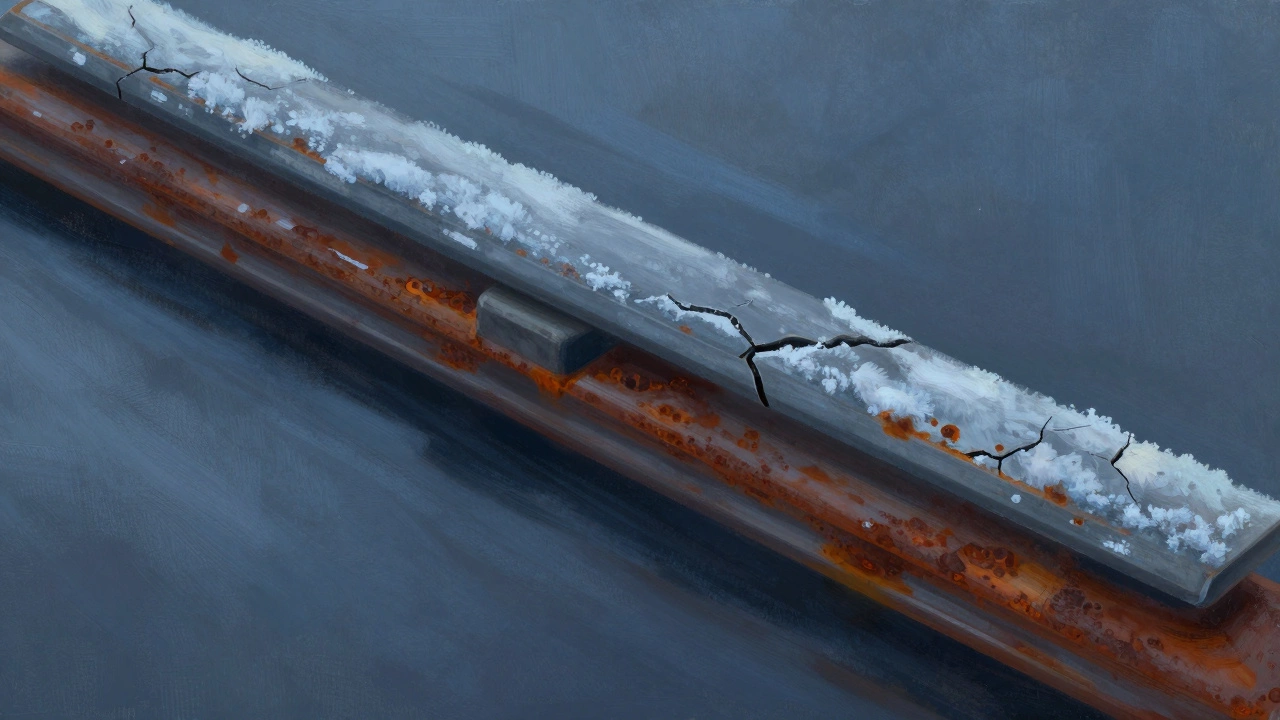
Ammonia also corrodes metal parts in the washer system. The pump, tubing, and nozzles can rust or clog. A corroded pump stops working entirely. You won't get any fluid on your windshield when you need it most. This is especially dangerous in rain or snow.
Even if you only spray Windex on the glass (not in the reservoir), it can damage your car's paint. Ammonia strips wax and clear coat over time. You might see dull spots or discoloration. Car detailers warn against using any ammonia-based cleaners on painted surfaces.
What Should You Use Instead?
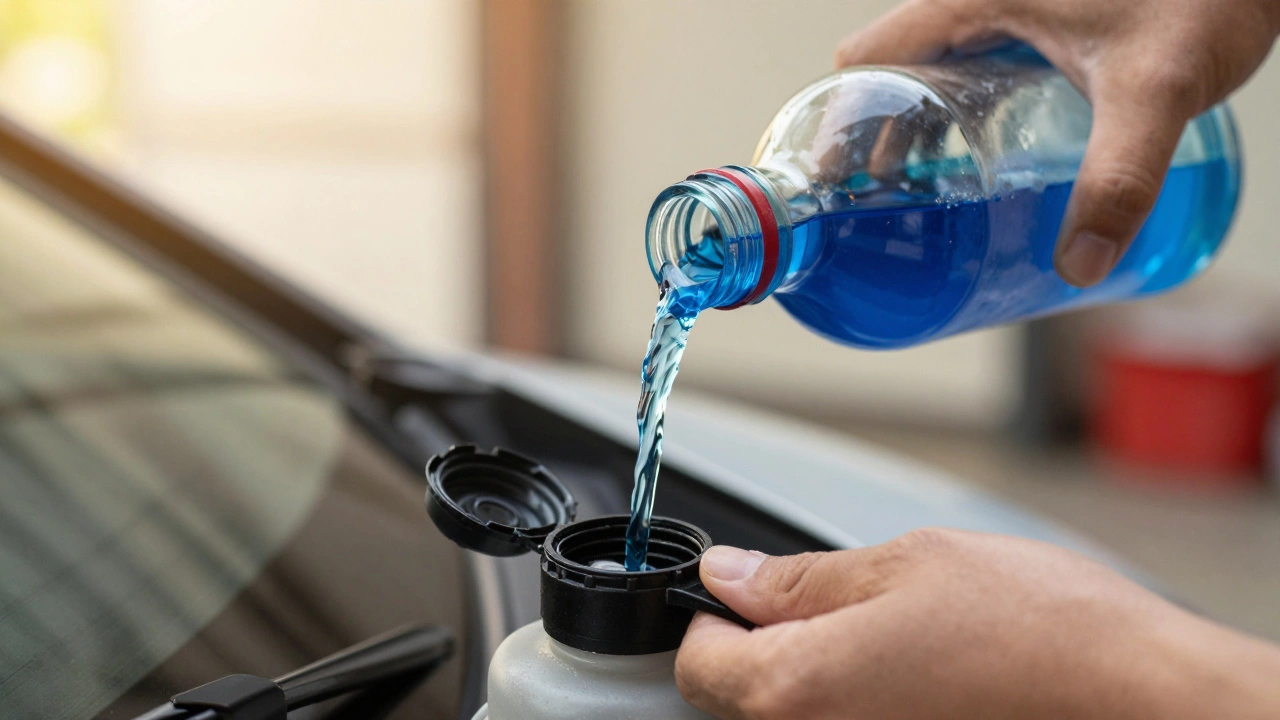
Always use windshield washer fluid made for cars. It's cheap and widely available. You'll find it at gas stations, auto parts stores, and big retailers. There are two main types: summer and winter formulas. Summer fluid focuses on cleaning bugs and grime. Winter fluid has more antifreeze to handle cold temperatures.
Here's what to look for:
- Check the freezing point on the label. For cold climates, choose -20°F or lower.
- Avoid ammonia-based cleaners. Look for "ammonia-free" on the bottle.
- Use distilled water when mixing DIY solutions. Tap water leaves mineral deposits.
If you're in a pinch, mix one part distilled water with one part isopropyl alcohol (70% or higher). This creates a quick freeze-resistant solution. But don't use it long-term. It lacks the cleaning agents in proper washer fluid. You'll still get streaks on your windshield.

What to Do If You Already Used Windex
If you accidentally put Windex in your reservoir, act fast. Here's how to fix it:
- Drain the reservoir completely. Use a turkey baster or siphon pump to remove all liquid.
- Rinse the tank with clean water. Fill it halfway with water, shake gently, then drain again. Repeat twice.
- Refill with proper windshield washer fluid. Use a winter blend if temperatures are below freezing.
- Test the system. Spray the fluid on your windshield and check for streaks or weak spray.
If your wiper blades are already damaged, replace them. Streaking or chattering means the rubber is worn out. New blades cost $15-$30 per pair. It's cheaper than fixing a corroded pump or cracked reservoir later.
Frequently Asked Questions
Can I use Windex as windshield wiper fluid?
No. Windex contains ammonia and is designed for home glass cleaning, not automotive systems. It damages wiper blades, freezes in cold weather, and corrodes the washer pump and tubing. Always use proper windshield washer fluid for your car.
What happens if I accidentally put Windex in my washer fluid reservoir?
Drain the reservoir completely and rinse it with clean water. Refill with proper windshield washer fluid. If your wiper blades are streaking or chattering, replace them. Check for leaks or weak spray from the nozzles-this could mean corrosion in the system.
Is there any safe DIY windshield washer fluid recipe?
Yes, but only as a temporary fix. Mix equal parts distilled water and isopropyl alcohol (70% or higher). This prevents freezing down to about -20°F (-29°C). Avoid ammonia, vinegar, or soap-based solutions. They leave residue or damage rubber parts. Always use commercial fluid for regular use.
Why does Windex damage wiper blades?
Windex's ammonia breaks down the rubber in wiper blades over time. The rubber hardens, cracks, and loses its flexibility. This causes streaking on your windshield and reduces visibility. Mechanics see this damage often-replacing blades every few months instead of once a year is a clear sign of Windex use.
Can Windex harm my car's paint?
Yes. Ammonia in Windex strips wax and clear coat from your car's paint. You'll see dull spots or discoloration over time. Even if you only spray it on the windshield, residue can run onto painted surfaces. Always use car-specific cleaners for exterior surfaces.