Spark Plug Replacement Estimator
Enter details to see replacement costs and urgency.
That rough idle you’ve been ignoring? It might just be your spark plugs. These tiny components are the heartbeat of your internal combustion engine, firing thousands of times a minute to ignite the air-fuel mixture. But they don’t last forever. Ignoring their wear can lead to poor fuel economy, failed emissions tests, and even stranded breakdowns on the motorway. Knowing exactly when to swap them out saves you money and keeps your car running smoothly.
If you are looking for reliable local services or verified directories while managing your vehicle's upkeep, you might find resources like this directory useful for other personal needs, but for now, let’s focus on keeping your engine healthy. Understanding the lifespan of different spark plug types is crucial for any driver who wants to avoid unexpected repair bills.
The Truth About Spark Plug Lifespans
There is no single answer to "how long do spark plugs last." The lifespan depends entirely on the material used in the electrode tip. Manufacturers design these parts with specific durability goals, balancing cost against longevity. A cheap plug will fail sooner but costs less upfront, while a premium plug lasts longer but requires a higher initial investment.
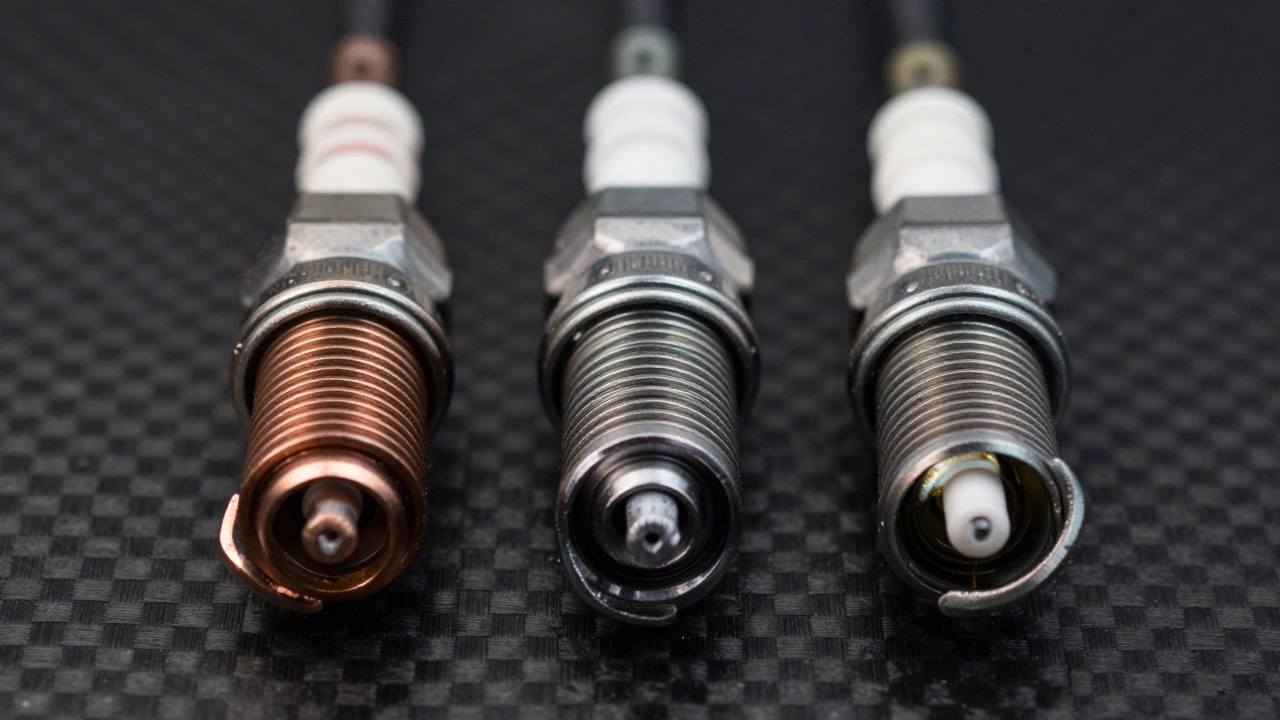
Most modern vehicles come with one of three main types of spark plugs: Copper, Platinum, or Iridium. Each has a distinct wear pattern. Copper plugs erode quickly because the soft metal melts away under high heat. Iridium plugs, however, use a needle-thin electrode that resists erosion, allowing them to fire consistently for much longer distances. Your owner’s manual is the ultimate authority here, as it specifies the exact interval recommended by the engineers who built your car.
| Plug Type | Average Lifespan (Miles) | Average Lifespan (km) | Cost Level | Best For |
|---|---|---|---|---|
| Copper Standard nickel alloy core | 20,000 - 30,000 | 32,000 - 48,000 | Low (£1-£3 each) | Older cars, classic vehicles, budget builds |
| Platinum Durable platinum tip | 60,000 - 100,000 | 96,000 - 160,000 | Medium (£5-£10 each) | Daily drivers, moderate performance needs | g
| Iridium Fine-wire iridium center electrode | 100,000 - 120,000+ | 160,000 - 193,000+ | High (£10-£20+ each) | Modern engines, high mileage owners, sporty driving |
Signs Your Spark Plugs Are Dying
You don’t always have to wait for the manufacturer’s recommended mileage to check your plugs. Your car will often tell you when they’re failing. Pay attention to these common symptoms:
- Rough Idling: If the engine shakes or vibrates noticeably when you’re stopped at a red light, one or more cylinders may not be firing correctly due to weak sparks.
- Poor Acceleration: Struggling to merge onto the highway or feeling sluggish when pressing the gas pedal suggests incomplete combustion.
- Increased Fuel Consumption: If you’re filling up more often than usual without changing your driving habits, inefficient spark plugs are likely wasting fuel.
- Hard Starting: Cranking the engine multiple times before it catches, especially in cold Manchester mornings, is a classic sign of worn electrodes.
- Engine Misfires: You might feel a slight jerk or stutter during acceleration. This happens when the spark fails to ignite the fuel-air mix in time.
Ignoring these signs doesn’t just make the drive unpleasant; it can damage other expensive components. A misfiring cylinder dumps unburned fuel into the exhaust system, which can overheat and destroy your catalytic converter. Replacing a catalytic converter costs hundreds of pounds, far more than a set of new spark plugs.
How Driving Habits Affect Longevity
Your driving style plays a huge role in how long your spark plugs survive. Short trips around town are harder on plugs than long highway drives. Why? Because short trips don’t allow the engine to reach its optimal operating temperature fully. This leads to carbon buildup and moisture accumulation in the combustion chamber, which accelerates electrode wear.
Aggressive driving also takes a toll. Frequent hard acceleration and high RPMs generate intense heat inside the engine. While modern plugs handle this well, constant stress can cause pre-ignition or knocking, which physically damages the plug tip. If you frequently tow heavy loads or drive in stop-and-go traffic, consider checking your plugs every 30,000 miles instead of waiting for the maximum interval.
DIY Replacement vs. Professional Service
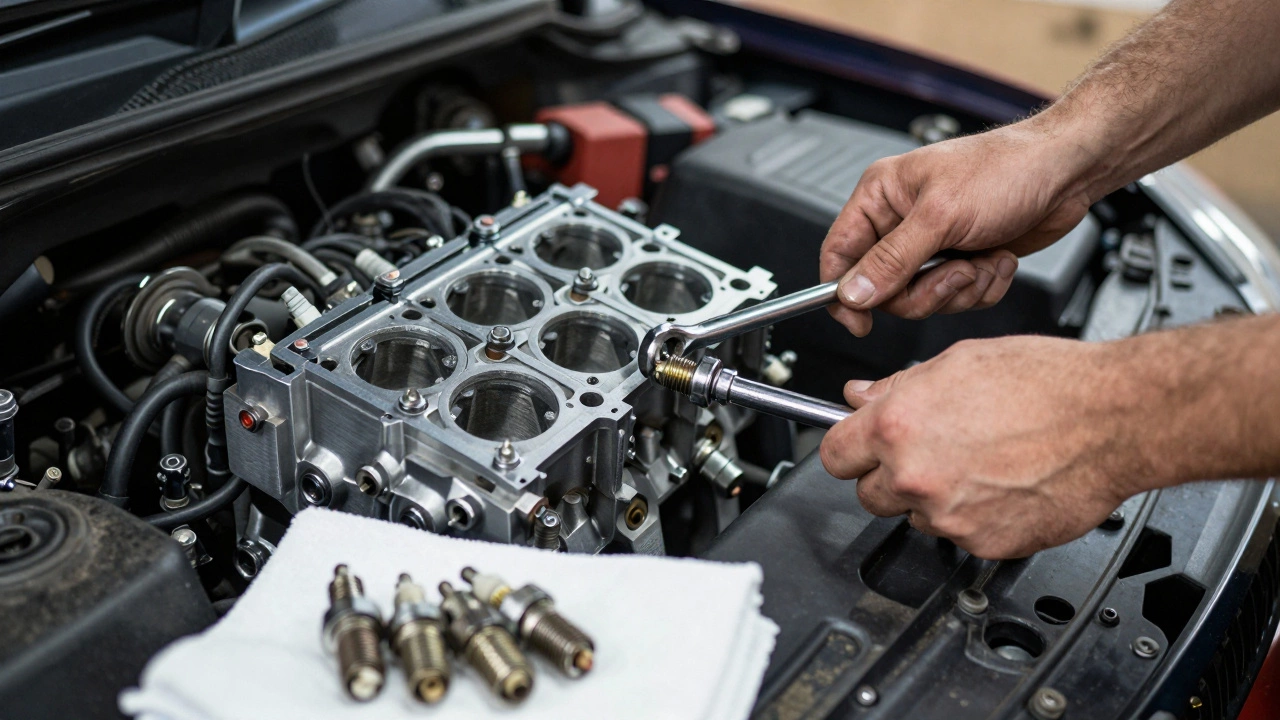
Replacing spark plugs is one of the most accessible DIY jobs for car owners. You’ll need a basic socket set, a spark plug socket (usually 5/8 inch or 16mm), a torque wrench, and a gap tool. The process involves removing the ignition coils, extracting the old plugs, gapping the new ones (if required), and installing them to the correct torque specification.
However, not all engines are friendly to DIYers. Some modern vehicles have complex engine layouts where accessing the rear cylinder plugs requires removing intake manifolds or other major components. In these cases, labor costs can exceed the price of the parts. If your car has an inline-four engine, it’s usually straightforward. If it has a V6 or V8 with tight packaging, professional help might save you hours of frustration and potential stripped threads.
Always use a torque wrench when installing new plugs. Overtightening can crack the ceramic insulator or strip the cylinder head threads. Undertightening can lead to overheating and failure. Follow the manufacturer’s torque specs precisely-usually between 10 to 20 foot-pounds depending on the thread size and seat type.
Choosing the Right Plug for Your Car
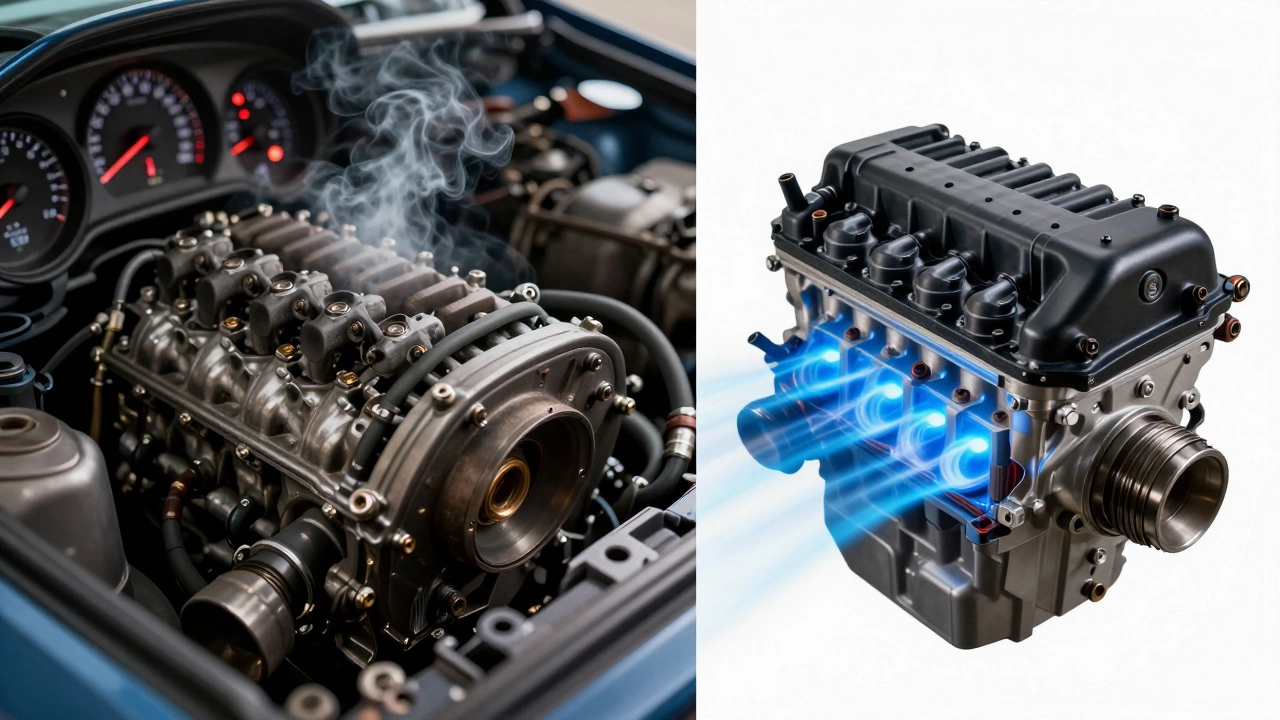
Don’t just buy the cheapest option available. Using the wrong type of spark plug can void warranties and hurt performance. Always consult your owner’s manual or a reputable online database to find the exact part number recommended for your vehicle. Many manufacturers specify laser-plated platinum or double-platinum plugs for direct-injection engines.
Aftermarket performance plugs exist, but they rarely offer significant benefits for street-driven cars. They are designed for racing applications where extreme RPMs and precise timing matter more than longevity. For daily driving, stick to OEM-equivalent brands like NGK, Denso, Bosch, or Champion. These companies supply original equipment to automakers and ensure compatibility with your engine’s ignition system.
Maintenance Tips to Extend Plug Life
While you can’t stop wear entirely, you can slow it down. Keep your engine oil clean and change it regularly. Oil additives containing zinc or phosphorus can foul spark plugs if they burn off into the combustion chamber. Use high-quality fuel from reputable stations to minimize deposits. Avoid ethanol-blended fuels above E10 unless your car is specifically designed for it, as higher ethanol content can alter combustion temperatures and increase carbon buildup.
Also, address any vacuum leaks or sensor issues promptly. A rich fuel mixture (too much fuel, not enough air) causes soot to coat the plug tips, insulating them and preventing proper sparking. Fixing underlying engine problems ensures your spark plugs operate in ideal conditions, maximizing their lifespan.
Can I replace just one spark plug?
Technically yes, but it’s not recommended. Spark plugs wear at similar rates. Replacing only one means the new plug will have a significantly different resistance and firing characteristic than the others, leading to uneven combustion. Always replace them in sets to maintain balanced engine performance.
What happens if I drive with bad spark plugs?
Driving with worn spark plugs reduces fuel efficiency, increases emissions, and strains the ignition coil. Over time, unburned fuel can damage the catalytic converter, leading to costly repairs. You may also experience frequent stalling or difficulty starting the engine.
Do I need to gap new spark plugs?
It depends on the plug type. Most pre-gapped plugs from major brands come ready to install, but verifying the gap with a feeler gauge is good practice. Iridium and platinum plugs often have fine wires that are easy to bend, so handle them carefully. If the gap is incorrect, adjust it gently using a round wire gauge tool.
How much does it cost to replace spark plugs?
Parts typically range from £20 to £80 for a full set, depending on the material and brand. Labor costs vary widely. A simple four-cylinder job might cost £50-£100 in labor, while complex engines requiring manifold removal can run £150-£300+. DIY replacement saves the labor fee entirely.
Can dirty spark plugs cause engine lights to come on?
Yes. Foul or worn spark plugs cause misfires, which trigger the Engine Management Light (MIL). Modern cars monitor ignition activity closely. If a cylinder consistently fails to fire properly, the onboard computer logs a fault code (often P0300 series) and illuminates the dashboard warning light.