Bad Radiator Issues and How to Spot Them
When dealing with bad radiator, a radiator that can’t dissipate heat properly, leading to engine overheating. Also known as faulty cooling core, it often shows up as steam, hot‑engine warnings, or coolant spots under the car.
Understanding a bad radiator early can stop a cheap fix from turning into a costly engine rebuild. The radiator is the heart of the cooling system, the network of hoses, thermostat, water pump and fan that keeps engine temperature in check. When any link in that chain fails, heat builds up fast.
Common Symptoms of a Bad Radiator
First sign is usually engine overheating, when the temperature gauge climbs into the red zone or a warning light flashes. Drivers often hear a hissing sound as hot coolant escapes. Another clue is a sweet, salty smell from the coolant. If you see puddles of green, orange, or pink fluid where you park, you’re looking at a coolant leak.
Coolant leaks can stem from cracked radiator tanks, corroded seams, or loose hose clamps. The leak not only reduces fluid level but also lowers the system’s pressure, making it harder for the radiator to push heat away. A low‑pressure system can cause the thermostat to stay closed longer, which in turn raises engine temperature.
The thermostat itself is an often‑overlooked part. It’s a valve that opens at a preset temperature to let hot coolant flow through the radiator. When the thermostat sticks closed, the radiator never gets hot coolant, so the engine can overheat even if the radiator looks fine. Conversely, a stuck‑open thermostat can make the engine run too cool, reducing fuel efficiency.
Fans are the next piece of the puzzle. Electric or belt‑driven fans pull air through the radiator when the car isn’t moving fast enough to force airflow. If a fan motor fails or the fan clutch slips, the radiator can’t shed heat at idle or in traffic jams. That’s why you might see the temperature gauge spike right after you’re stuck at a red light.
Even the water pump matters. It circulates coolant through the engine and radiator. A worn‑out pump can cause low flow, making hot spots develop in the engine block. Those hot spots can damage head gaskets, leading to more severe problems down the road.
All these components—radiator, thermostat, fan, water pump—are linked by the same fluid. That’s why a single symptom often points to multiple possible causes. Checking the coolant level is the fastest first step. If the level is low, top it up with the right mix of antifreeze and water, then keep an eye on the gauge.
Beyond the core cooling parts, other engine systems can expose a bad radiator. For example, a worn clutch can overheat the transmission, adding extra heat to the engine bay and stressing the radiator. Spark plug problems can cause misfires, which raise engine temperature and make an already struggling cooling system work harder.
Oil health also ties in. Skipping oil changes leads to sludge that can block oil passages and cause the engine to run hotter. When the engine runs hotter, the radiator has to work overtime, exposing any weakness faster.
Brake issues can indirectly affect the cooling system as well. Over‑heated brake calipers transfer heat to the wheel area, raising the temperature of the air flowing through the radiator. If you notice brake squeal or reduced stopping power along with overheating, it might be a combined problem.
Replacing a bad radiator isn’t just about swapping a metal part. You need to flush the entire system, replace the thermostat, inspect hoses, and verify fan operation. A thorough job prevents recurring leaks and ensures the new radiator gets the proper flow and pressure.
When you buy a replacement, look for a radiator that matches the original dimensions and has high‑quality fins for efficient heat transfer. Aluminium radiators are common, but copper‑brass models offer better corrosion resistance, especially for marine applications.
Installation steps are straightforward for DIY folks: drain the coolant, remove the old radiator, reinstall the new one, replace the thermostat if needed, reconnect hoses, refill with fresh coolant, and bleed the system to remove air pockets. A small air pocket can cause local overheating, so the bleeding process is crucial.
After installation, monitor the temperature gauge for at least a few drives. If the gauge stays below the red zone and there are no new leaks, you’ve likely solved the problem. If the engine still runs hot, double‑check the fan function and water pump operation.
Understanding how a bad radiator fits into the broader vehicle health picture helps you diagnose faster and avoid costly repairs. Below you’ll find a curated set of articles that dive deeper into related symptoms—like clutch wear, spark plug failure, oil neglect, and brake issues—so you can tackle the whole car, not just one part.
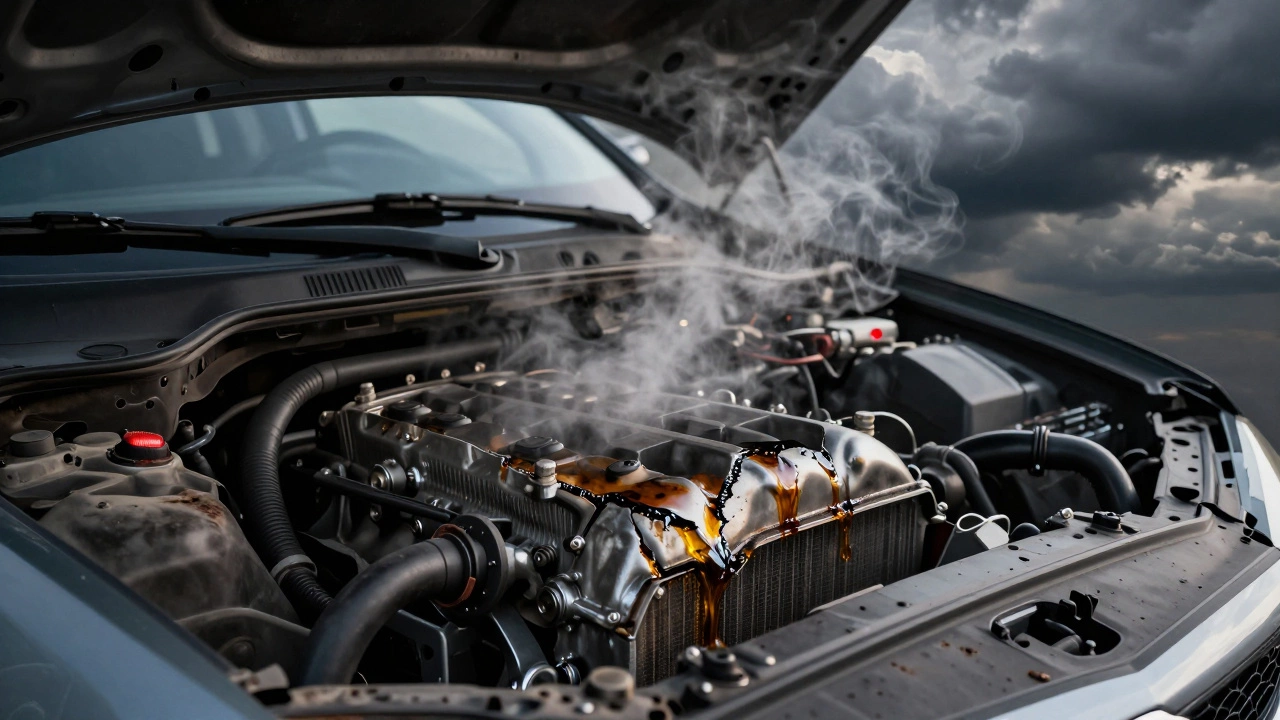
Can I Drive My Car with a Bad Radiator? Here's What Really Happens
Feb 22 2026 / RadiatorsDriving with a bad radiator can destroy your engine in minutes. Learn the real risks, signs of failure, and why ignoring it costs thousands more than a simple fix.
VIEW MORE
Can a Car Run on a Bad Radiator? Risks, Signs & What to Do
Oct 8 2025 / RadiatorsLearn if a car can run with a bad radiator, recognize overheating signs, understand risks, and discover temporary fixes and repair tips.
VIEW MORE