Brake Wear Signs – What Every Driver Should Notice
When working with Brake Wear Signs, the visual and tactile clues that indicate a braking system is deteriorating. Also known as brake wear indicators, they let you catch problems before you lose stopping power.
Key Parts That Reveal Trouble
One of the first things to check is the Brake Pads, friction blocks that clamp onto the rotor when you press the pedal. If the pad surface looks thinner than a 1 mm coin or you hear a high‑pitched squeal, that’s a clear sign the pads are wearing out. The same principle applies to the Rotors, the metal discs that the pads press against to slow the wheel. Deep grooves, scoring, or a blue‑tinted edge usually mean the rotor has been abused and needs resurfacing or replacement.
Beyond pads and rotors, Brake Fluid, the hydraulic medium that transfers pedal pressure to the calipers is a hidden but vital indicator. Low fluid level, a spongy pedal feel, or a slight brown tint suggests moisture contamination or a leak, both of which can cause brake fade. Finally, listen for Brake Noise, any grinding, squeaking, or clunking that occurs during braking. Different noises point to different parts: squeal often signals pad wear, while grinding can mean metal‑on‑metal contact between pad backing and rotor.
Putting these clues together, you can diagnose most brake issues before they become unsafe. Brake Wear Signs encompass pad thinning, rotor scoring, fluid loss, and unusual noises, each requiring a specific fix. In the collection below you’ll find detailed guides on how to check each component, what the symptoms really mean, and step‑by‑step advice for DIY inspection or when to call a professional. Dive in to keep your braking system reliable and your journeys safe.
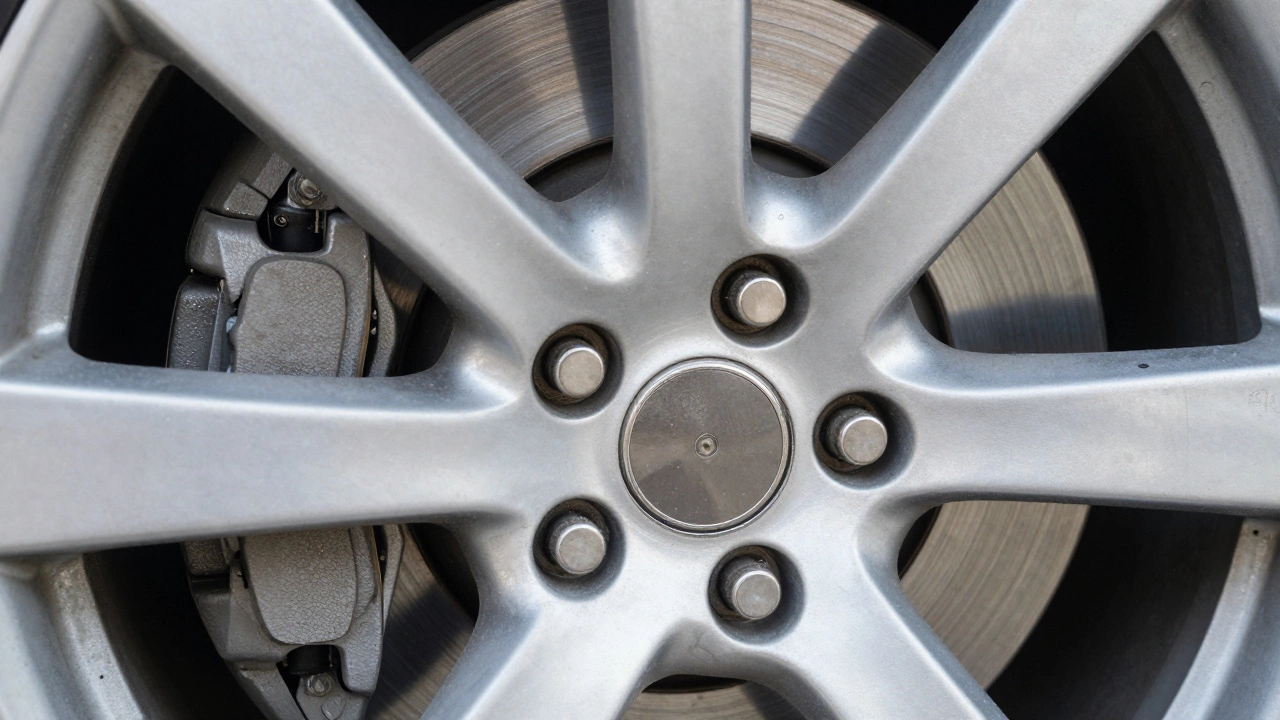
How to Spot Worn Brake Pads Before They Fail: A Driver's Guide
Mar 29 2026 / Brake PadsLearn the exact signs of worn brake pads including unusual noises, vibrations, and visual cues to ensure your vehicle stops safely before damage occurs.
VIEW MORE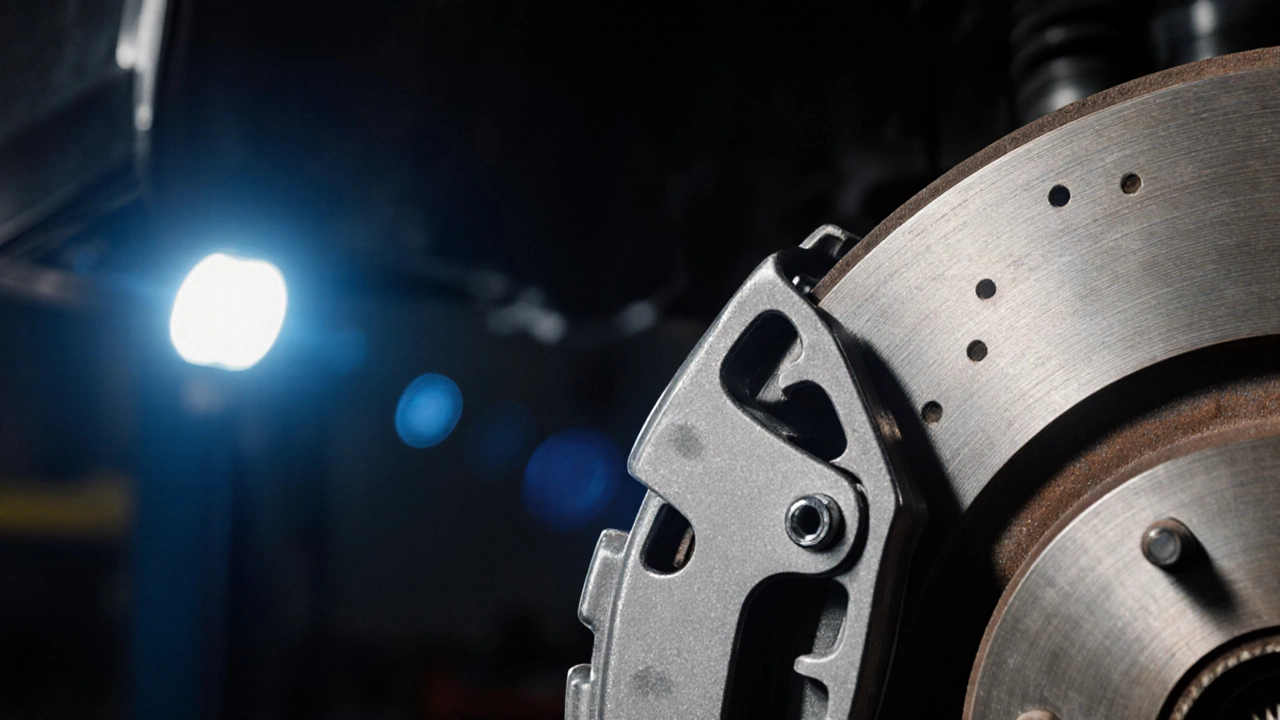
How to Tell When Your Brake Pads Are Worn
Oct 17 2025 / Brake PadsLearn the key signs, inspection steps and safety tips to know when your brake pads need replacement.
VIEW MORE