Car Overheating: Why It Happens and How to Stop It
When dealing with car overheating, the engine temperature climbs beyond safe limits, risking serious damage. Also called engine overheating, it signals that the heat‑dissipation process has failed somewhere. Understanding the underlying parts helps you spot the problem before the temperature gauge spikes.
The heart of the heat‑control network is the engine cooling system, a loop of coolant, radiator, water pump, and thermostat that moves heat away from the combustion chambers. If any link in this loop falters, the engine can quickly climb past the optimal 90‑100°C range. Another critical factor is engine oil, which lubricates moving parts and also carries heat away from friction points. Low oil level or degraded oil reduces its cooling ability, adding to the temperature rise. Finally, the spark plug, ignites the fuel‑air mixture; a misfiring plug forces the engine to work harder, generating extra heat. All three entities interact: a weak cooling system forces oil to overheat, while bad spark plugs increase combustion heat, creating a chain reaction.
Common Culprits Behind Overheating
First, a stuck thermostat can keep coolant from circulating, trapping heat in the engine block. You’ll notice the temperature gauge climbing even when the radiator fan is on. Next, a leaking radiator or cracked hose lets coolant escape, dropping the system’s fluid level and raising the engine’s core temperature. A failing water pump, meanwhile, stops the coolant from moving, and you might hear grinding noises or see coolant puddles under the car. Clogged coolant passages – often caused by rust or debris – restrict flow, so the radiator can’t shed heat effectively.
Beyond the cooling loop, low or dirty engine oil is a silent overheating trigger. When oil degrades, its viscosity drops, so it can’t coat moving parts properly. This leads to increased friction, which translates directly into heat. Over‑filling oil is another mistake; excess oil can be whipped into foam by the crankshaft, reducing its ability to carry heat away. Checking oil level with the dipstick when the engine is cool and topping up only to the recommended mark keeps the oil’s cooling function intact.
Bad spark plugs add another layer of stress. A fouled plug may cause a misfire, forcing the engine to fire extra times to maintain power. That extra combustion pressure raises the cylinder temperature, and the extra heat must be expelled by a cooling system already working at capacity. Replacing spark plugs at the recommended interval – usually every 30,000‑45,000 miles for copper plugs in the UK – keeps the ignition process clean and efficient.
Fuel delivery issues can also cause overheating. A clogged fuel filter or a weak fuel pump can starve the engine of fuel, leading to a lean mixture that burns hotter. You might see a sudden loss of power, a rough idle, or the temperature gauge creeping upward. Inspecting the fuel pump and replacing filters regularly prevents this hidden heat source.
Environmental factors matter too. Driving in heavy traffic, up steep hills, or on hot summer days taxes the cooling system. In these conditions, the radiator fan should kick in automatically; if it doesn’t, the fan motor or relay could be at fault. A quick visual check of the fan blades for damage and a test of the fan’s operation with the engine at operating temperature can save you a pricey repair.
Now that you know the main players – thermostat, radiator, water pump, engine oil, spark plug, fuel pump, and fan – you can perform a basic checklist before a long drive: verify coolant level, look for leaks, confirm oil is clean and at the right level, inspect spark plugs for deposits, and listen for the fan’s steady whir. If any of these items raise a red flag, address it right away. Early action stops the engine from reaching the point where a blown head gasket or warped cylinder head becomes likely.
Below you’ll find a curated set of articles that dive deeper into each of these areas. From how to spot a failing thermostat to the risks of skipping oil changes, the guides give you step‑by‑step advice you can follow in your garage. Whether you’re a seasoned DIYer or just want to know what the mechanic is talking about, the collection equips you with the knowledge to keep your car running cool and reliable.
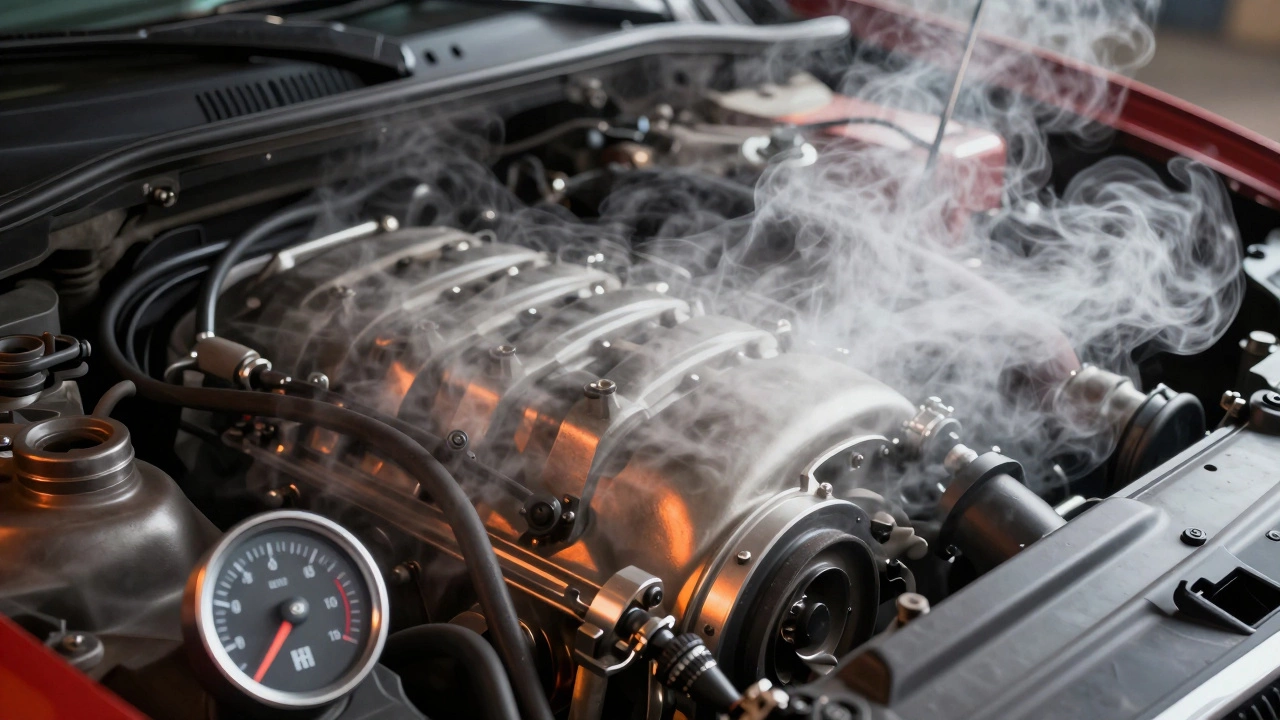
What are the symptoms of a bad radiator? Signs to watch for
Jun 18 2026 / RadiatorsSpot a bad radiator early to avoid costly engine damage. Learn key symptoms like overheating, coolant leaks, steam, and sweet smells. Get practical tips on diagnosis, repair costs, and maintenance for UK drivers.
VIEW MORE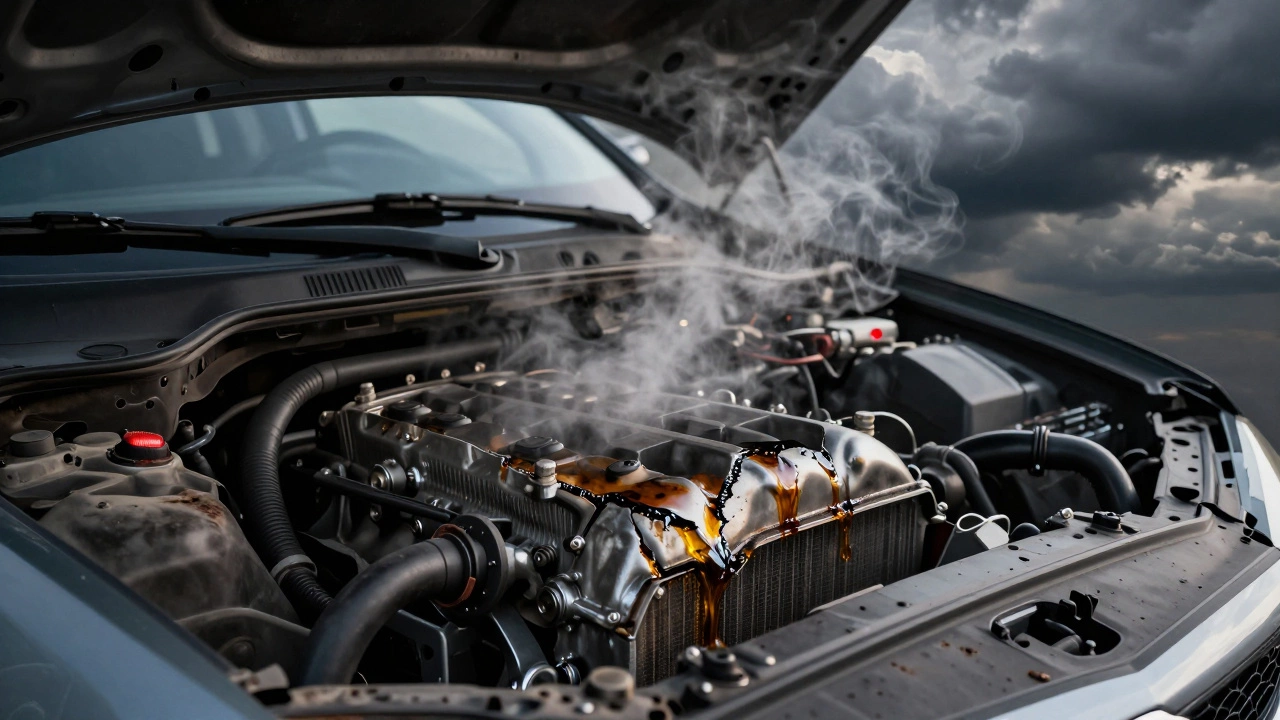
Can I Drive My Car with a Bad Radiator? Here's What Really Happens
Feb 22 2026 / RadiatorsDriving with a bad radiator can destroy your engine in minutes. Learn the real risks, signs of failure, and why ignoring it costs thousands more than a simple fix.
VIEW MORE
Can a Car Run on a Bad Radiator? Risks, Signs & What to Do
Oct 8 2025 / RadiatorsLearn if a car can run with a bad radiator, recognize overheating signs, understand risks, and discover temporary fixes and repair tips.
VIEW MORE